‘Will soon be floating at the bottom of the sea’: Trump says 9 Iranian navy ships sunk in US strikes
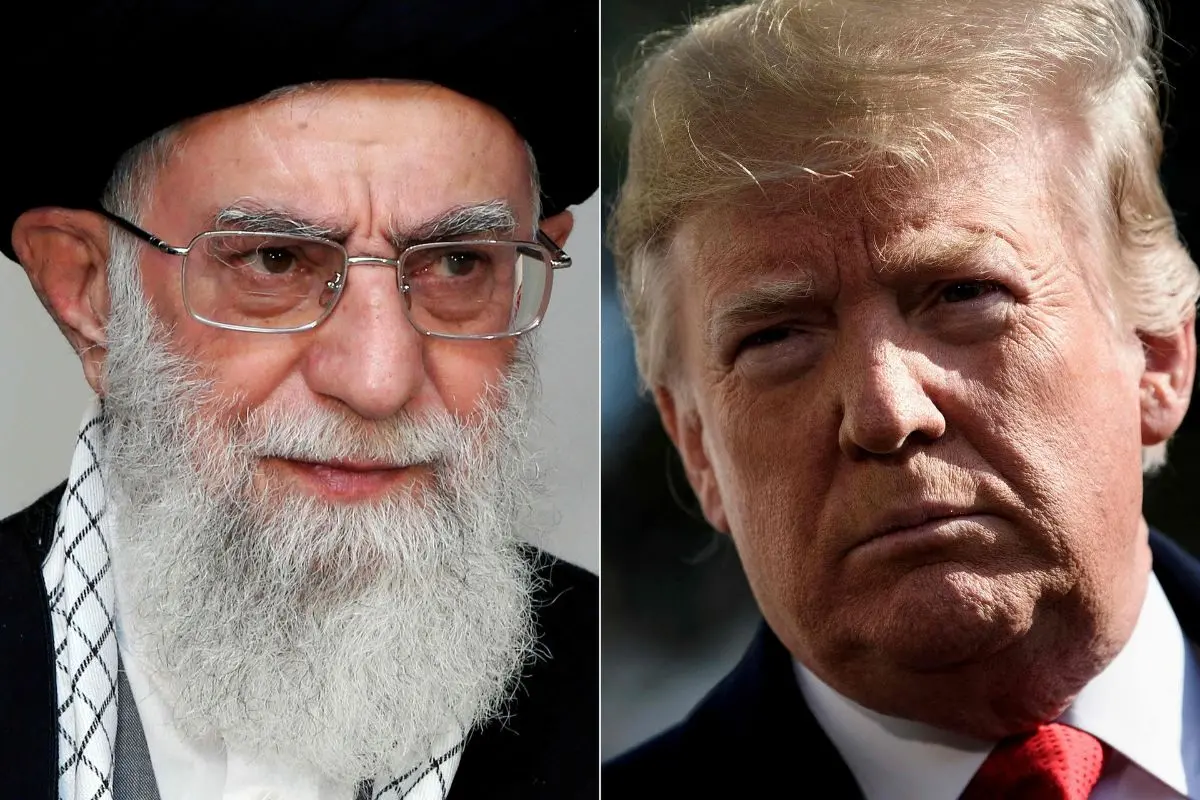
US President Donald Trump has claimed that nine ships of the Iranian navy have been sunk, describing the strikes as a major blow to Tehran’s military. Trump wrote on social media on Sunday that the vessels had been "destroyed" and sunk, "some of them relatively large and important."
He added that the remainder of Iran’s fleet "will soon be floating at the bottom of the sea, also!" and said that in a separate attack Iran’s naval headquarters was "largely destroyed."
Escalating conflict across the Middle East
The statements come amid a sharp escalation following the killing of Iran’s supreme leader, Ayatollah Ali Khamenei, in what the US and Israel described as a coordinated bombardment. Iran has vowed revenge, launching missiles at Israel and Gulf Arab states, while Israel pledged "non-stop" strikes against Iran’s leadership and military.
Blasts in Tehran sent huge plumes of smoke over government buildings. Iranian authorities say more than 200 people have been killed since the attacks began. In southern Iran, a strike on a girls’ school killed at least 165 people, according to state media.
In Israel, explosions rocked Tel Aviv and other cities. Rescue services reported nine deaths and 28 injuries when a synagogue in Beit Shemesh was hit, bringing the country’s death toll to 11, with 11 still missing.
The US military confirmed that three American service members had been killed and five seriously wounded. Several others suffered minor injuries and concussions.
Regional impact and civilian unrest
The attacks have sparked protests and violence in neighbouring countries. In Pakistan, hundreds stormed the US consulate in Karachi, leading to clashes in which at least nine people were killed. Flights across the Middle East were disrupted, and air defences fired over Dubai, affecting commercial traffic in the region.
Iran’s foreign minister, Abbas Araghchi, said a new leadership council has begun work and a new supreme leader would be chosen in "one or two days." Meanwhile, some Iranians celebrated Khamenei’s death, while others mourned, raising a black flag over the Imam Reza shrine in Mashhad.
Trump’s warning and military posture
Trump warned against Iranian retaliation, writing: "THEY BETTER NOT DO THAT. IF THEY DO, WE WILL HIT THEM WITH A FORCE THAT HAS NEVER BEEN SEEN BEFORE!" The US military has struck an Iranian warship at a port in the Gulf of Oman, which is now reported sinking.
The conflict has further destabilised the region, threatening global oil markets, particularly through the Strait of Hormuz, a key commercial shipping route.
Wider implications
Khamenei had ruled Iran since 1989, controlling both the clerical establishment and the Revolutionary Guard. His death leaves a leadership vacuum, increasing the risk of prolonged regional instability. Intelligence sources indicate that the strikes were timed based on CIA tracking of Iranian leaders, shared with Israeli officials.
The US administration has built up the largest American military presence in the Middle East in decades, citing the need to constrain Iran’s nuclear programme. Democrats have criticised the strikes as lacking congressional authorisation, while Republicans were briefed in advance.