45-day ceasefire plan: Iran refuses to reopen Strait of Hormuz for ‘temporary truce’
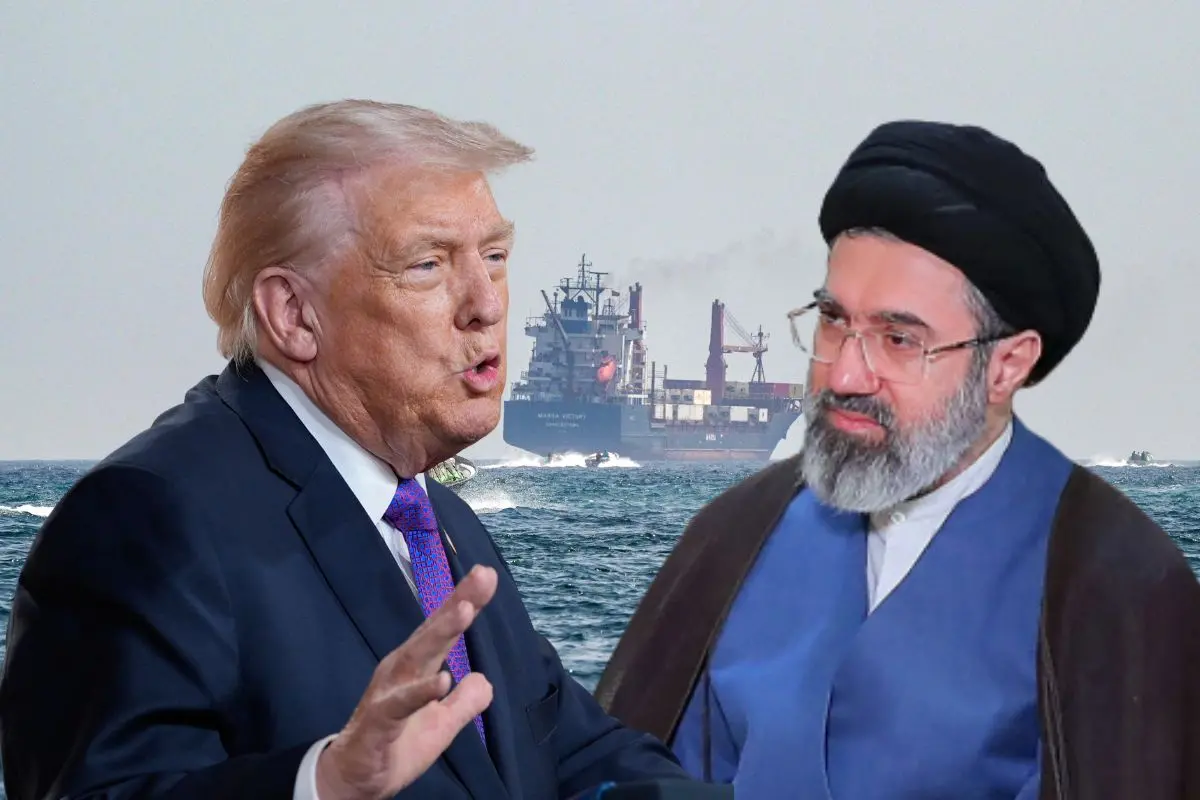
Washington: Hopes for a pause in the escalating conflict between the United States and Iran are hanging by a thread, as Tehran has refused to reopen the strategically critical Strait of Hormuz, despite mounting pressure and a hard deadline set by Donald Trump.
At the centre of the standoff is a proposed two-phase peace plan, an immediate ceasefire followed by a broader agreement within 15–20 days. While discussions are ongoing, Iran has made it clear that key conditions tied to the deal are non-negotiable.
According to Reuters, sources familiar with the negotiations, backchannel diplomacy has intensified, with Asim Munir reportedly in continuous contact with senior U.S. officials, including Vice President JD Vance and envoy Steve Witkoff, as well as Iranian Foreign Minister Abbas Araqchi.
But a major sticking point remains: Iran’s refusal to reopen the Strait of Hormuz during any temporary ceasefire.
A senior Iranian official told Reuters that Tehran “won’t accept deadlines” and does not see Washington as ready for a permanent ceasefire. The Strait, through which nearly 20% of the world’s oil and gas supply flows, has effectively been shut by Iran in response to ongoing attacks.
Trump’s deadline and escalating threats
Tensions spiked further after Trump issued a blunt warning on his Truth Social platform, threatening to unleash “hell” on Iran if it failed to comply.
In a follow-up post, he set a clear deadline: “Tuesday, 8:00 P.M. Eastern Time! (Wednesday 0000 GMT)”, raising fears of fresh military escalation.
The conflict, now stretching beyond five weeks, has already caused widespread devastation. Airstrikes by U.S. and Israeli forces have hit multiple targets across Iran, while Tehran has retaliated with attacks on Israel, U.S. bases, and energy infrastructure in the Gulf.
The closure of the Strait of Hormuz has rattled global markets, pushing oil prices higher and raising concerns about energy supply disruptions worldwide.