US strikes Iranian bridges, rail links as Tehran attacks American bases across Gulf
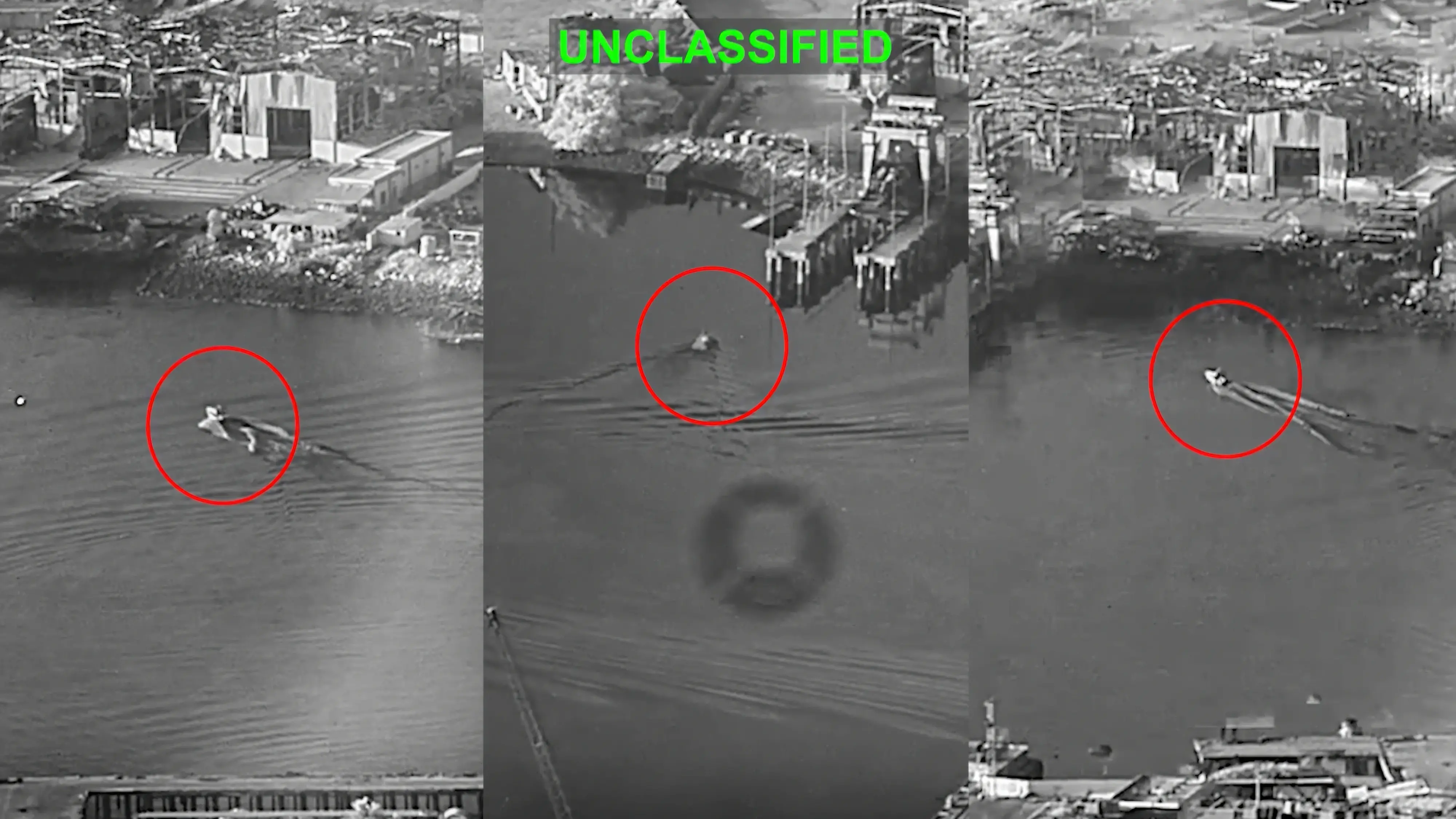
Tehran: The conflict between the United States and Iran intensified for a sixth consecutive day on Friday, with both sides launching fresh military operations that widened the regional security crisis.
Iran said it carried out drone and missile attacks targeting US military facilities in Bahrain and Kuwait, while the United States confirmed another overnight wave of airstrikes against Iranian military infrastructure near Bandar Abbas and Qeshm Island.
The latest exchange of attacks also prompted emergency alerts in several Gulf states, with Qatar, Bahrain and Kuwait activating security measures amid concerns over incoming missiles and drones.
US launches sixth round of strikes
US Central Command (CENTCOM) confirmed that American forces conducted another round of strikes aimed at degrading Iran's military capabilities.
CENTCOM said in a statement: "US forces, including fighter jets, aerial drones, and warships, launched precision munitions that hit dozens of Iranian military targets such as coastal surveillance and air defence sites, military logistics infrastructure, and maritime capabilities."
The military added: "More than 50,000 US service members are operating across the Middle East and remain vigilant, lethal, and ready."
Iranian media reported that several locations in southern Iran were struck, including military facilities near Bandar Abbas and infrastructure in Hormozgan province.
Civilian infrastructure reportedly damaged
Iranian state-linked media reported that multiple bridges in Hormozgan province were hit during the overnight strikes.
According to local authorities, the affected structures include bridges linking Bandar Abbas with surrounding towns, while additional strikes reportedly damaged Bandar Khamir railway station and Chabahar's maritime control tower.
Iran's IRNA news agency reported that at least seven people were killed after strikes hit bridges in Bandar Khamir, while several others were injured. Reuters said it could not independently verify those casualty reports.
Iran also accused the United States of targeting civilian infrastructure in southern parts of the country.
Iran launches attacks on US facilities in Gulf
Iran's military said it responded by targeting American military deployment sites and logistical support centres in Bahrain and Kuwait using drones.
In a statement carried by Fars News Agency, the Iranian military said: "Relying on history, popular support, experience, and combat readiness, we stand with vigilance and authority against any pressure or threat."
Kuwait's military said its air defence systems intercepted multiple hostile missiles and drones overnight.
In Qatar, authorities reported that a child was injured after shrapnel fell in Doha during the attacks. The country's Defence Ministry said its armed forces intercepted several incoming aerial threats.
Strait of Hormuz shipping disrupted again
The renewed fighting has once again disrupted maritime traffic through the Strait of Hormuz, one of the world's busiest oil shipping routes.
Iran has resumed restricting maritime movement through the strategic waterway, while the United States has increased military operations aimed at weakening Iran's ability to control shipping lanes.
The continuing disruptions have pushed global energy prices higher and raised concerns over broader supply chain risks.
Iran has also indicated it could encourage Yemen's Houthi movement to increase pressure around the Bab al-Mandeb Strait if the conflict expands further.
Trump says US has the upper hand
US President Donald Trump said Washington remained in a strong position in the conflict and suggested further military action could follow if negotiations fail.
Trump said: "You will see the fruits of that labour very, very shortly."
White House Press Secretary Karoline Leavitt said the administration would not tolerate attacks on international shipping.
She said: "The president will not sit by and allow these active acts of terrorism to take place in the strait without ensuring Iran pays consequences for that."
However, she added that Trump remained "always open to diplomacy at the very same time."
Residents fear prolonged conflict
The renewed violence has fuelled anxiety inside Iran, where civilians continue to endure repeated air raids.
A Tehran resident, identified by Reuters only as Mahlegha, said: "Living with this fear that war could start again is very exhausting. You cannot live like this... Personally, I want diplomacy to prevail."
The latest exchange underscores the fragile state of the ceasefire framework brokered last month and highlights the growing risk of a wider regional conflict involving multiple Gulf states.