Explained: How Trump’s $100,000 H-1B visa fee will hit TCS, Infosys
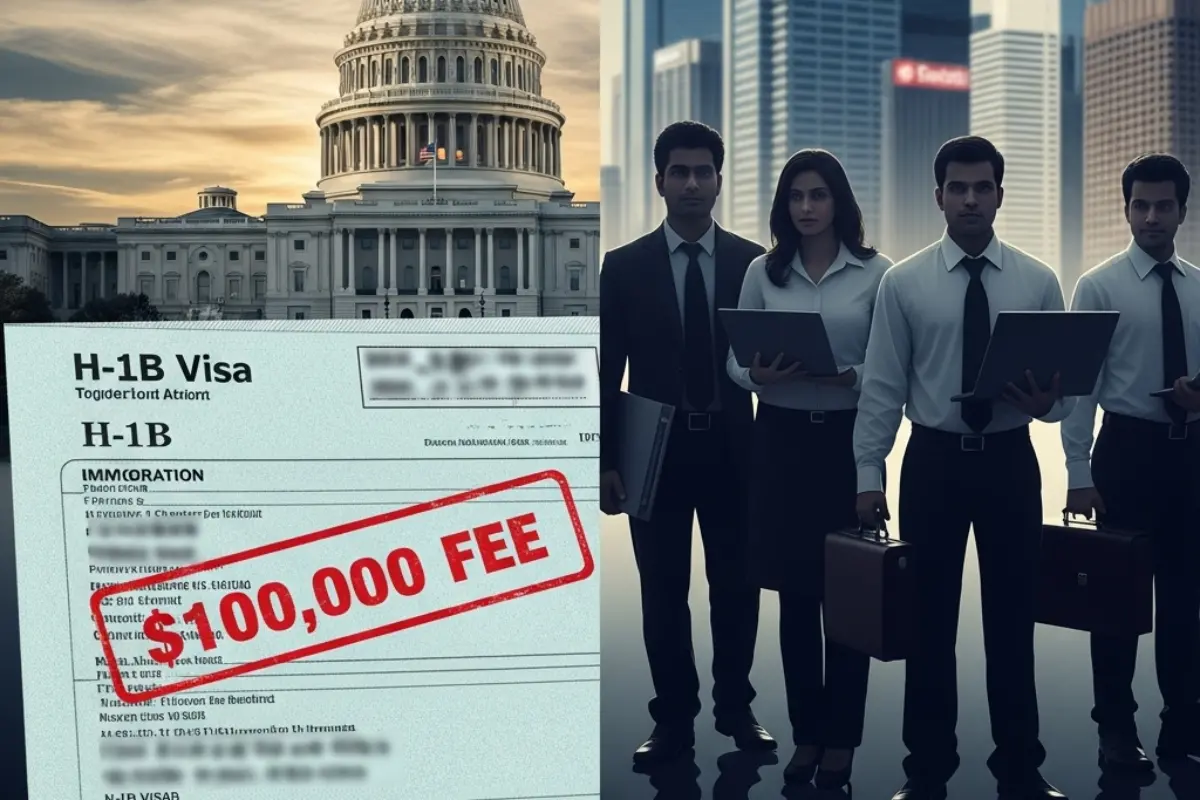
Washington DC: US President Donald Trump’s proposed $100,000 fee for fresh H-1B visa holders recruited from outside the United States is set to disproportionately affect Indian IT services companies, particularly Tata Consultancy Services (TCS), Infosys and Cognizant, according to an analysis by Bloomberg News.
The proposed levy is aimed at reducing reliance on foreign workers and represents one of the strictest measures introduced so far by the Trump administration targeting skilled immigration. The H-1B programme, which allows US companies to hire foreign professionals with at least a bachelor’s degree, has long been a key route for Indian IT firms to deploy talent onsite for US clients.
Bloomberg’s analysis shows that more than 40 per cent of new H-1B approvals over the past four years were for applicants recruited directly from abroad rather than international graduates already in the US. For firms that rely heavily on overseas hiring, the financial impact of the proposed fee would be substantial.
Between May 2020 and May 2024, around 90 per cent of new H-1B approvals for TCS, Infosys and Cognizant were granted through US consulates abroad. Had the $100,000 fee been in force during that period, Infosys would have paid the charge for over 10,400 workers, accounting for more than 93 per cent of its new H-1B approvals, with total visa costs exceeding $1 billion. TCS would have faced fees for around 6,500 workers, or 82 per cent of its approvals, while Cognizant would have incurred charges for more than 5,600 employees, representing 89 per cent of its new H-1B recruits.
The H-1B programme provides 85,000 visas annually and has been criticised by lawmakers from both major US political parties, who argue that some companies use it to undercut American workers. Employers, however, are legally required to pay industry-standard wages, and entry-level H-1B salaries typically exceed the US median wage.
Industry experts expect the proposed fee to lead to fewer H-1B applications and a greater shift towards offshore staffing. Immigration attorney Jonathan Wasden told Bloomberg that companies are already adjusting, warning that exceptional overseas talent may lose access to US opportunities if costs become prohibitive.
Some companies have played down the immediate impact. Cognizant said the proclamation is expected to have limited near-term effect on its operations, noting that it has reduced reliance on visas in recent years. Infosys has also stated that its US operations require limited visa sponsorship, with CEO Salil Parekh assuring clients of uninterrupted service delivery.
The proposal follows changes made to the H-1B lottery system after US authorities flagged misuse by IT consultancies. Registrations surged after the introduction of a low-cost online lottery in 2020, reaching 758,000 eligible submissions for fiscal year 2024. The $100,000 fee is intended to curb such practices, with the White House stating it would prevent companies from overwhelming the system while protecting US wages.
Legal challenges to the fee have been filed by the US Chamber of Commerce and several states, and a court hearing will decide whether the measure can be implemented. Despite this uncertainty, analysts say IT firms are already revising recruitment strategies, with expectations of increased investment in offshore hubs such as India.
Market researchers predict the combined impact of the fee and proposed changes to the lottery system could reduce next year’s H-1B registrations by 30 to 50 per cent. Analysts suggest the upcoming visa lottery will be an early indicator of whether the policy results in a higher-wage, higher-skill applicant pool, as intended by the administration.