Arctic ambitions: How Donald Trump plans to ‘take’ Greenland
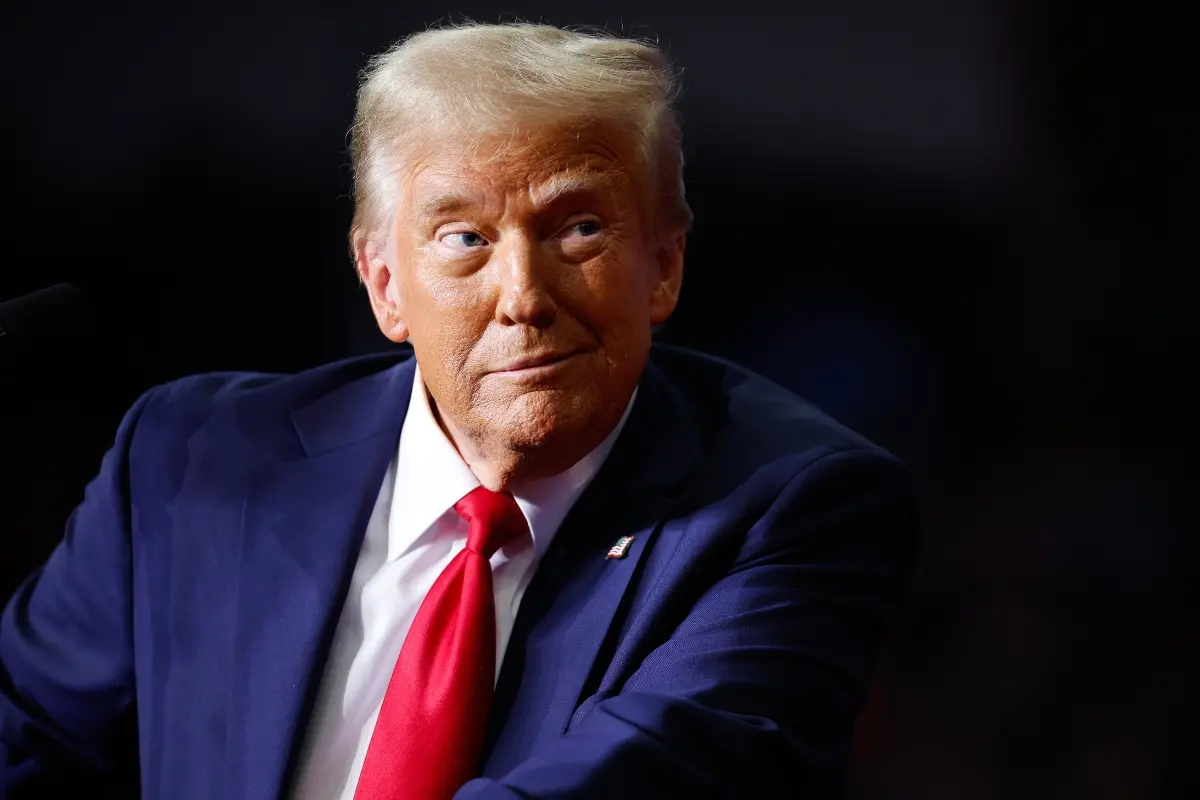
President Donald Trump has reignited his campaign to bring Greenland under U.S. control, describing the acquisition as an "absolute necessity" for American national security in the 2026 Arctic environment. Following his return to the White House, the administration has shifted from informal rhetoric to active policy drafting, targeting the world's largest island for its critical mineral deposits and strategic location.
While the Danish and Greenlandic governments have consistently maintained that the territory is "not for sale," the White House is reportedly exploring several strategies to achieve its goal.
The Diplomatic "Purchase" Model
The administration’s primary objective remains a direct purchase from the Kingdom of Denmark. Secretary of State Marco Rubio recently briefed members of Congress on a proposal that draws parallels to historic U.S. expansions.
- Historical Precedents: Officials cite the 1867 Alaska Purchase and the 1917 acquisition of the Danish West Indies as evidence that such territorial transactions are feasible.
- The "Subsidy Swap": Washington is considering offering Denmark a massive lump sum while simultaneously promising the Greenlandic government a financial package that exceeds its current annual Danish subsidy (the bloktilskud).
Strategic Free Association
Recognising the legal obstacles to an outright "sale," some advisors are advocating for a Compact of Free Association (COFA). This model is currently used with Pacific nations such as Palau and the Marshall Islands.
- Political Manoeuvring: This strategy aims to align U.S. interests with Greenland’s growing pro-independence movement.
- The Trade-off: Under this plan, Greenland would achieve full independence from Denmark, while the United States would assume all defence and security responsibilities, effectively gaining exclusive military rights and the authority to block investments from Russia or China.
Economic and Resource Dominance
The appointment of Louisiana Governor Jeff Landry as "Special Envoy to Greenland" signals a pivot toward economic pressure. The U.S. is moving to secure exclusive access to Greenland’s vast "critical mineral" deposits.
- Resource Moat: The island contains some of the world’s largest untapped reserves of rare earth elements, which are vital for high-tech weaponry and electric vehicle batteries.
- Infrastructure Outbidding: By financing Arctic airports and deep-water ports, the U.S. intends to make the Greenlandic economy reliant on American capital, thereby diminishing Danish influence.
The Security "Necessity" and Military Posture
In a significant escalation following recent U.S. military operations in early 2026, the White House has refused to rule out a military presence to "protect" the territory.
- The GIUK Gap: U.S. defence officials argue that the Greenland-Iceland-UK (GIUK) Gap is a vital chokepoint for monitoring Russian submarine activity.
- The "Defenceless" Argument: Trump has publicly claimed that Denmark is no longer capable of securing the Arctic against Russian and Chinese incursions, characterising Greenland as a "security black hole."
The Wall of Opposition
The pursuit of Greenland faces profound legal and diplomatic obstacles that threaten the post-WWII security order.
Danish Sovereignty and the Future of NATO
Danish Prime Minister Mette Frederiksen has issued a severe warning, stating that any attempt to seize Greenland would mark the "end of NATO." She described the U.S. rhetoric as "unacceptable pressure" on a close ally, emphasising that Denmark has no right to sell a people who have clearly stated they are not for sale.
The Principle of Self-Determination
Under international law and the 2009 Self-Government Act, Greenlandic citizens hold the exclusive right to determine their political future. Legal experts note that the UN Charter prohibits the transfer of territory without the explicit consent of the local population.
Greenlandic Public Sentiment
While there is internal support for independence from Denmark, it does not translate to a desire for U.S. annexation. Recent polling indicates that 85% of Greenlanders oppose becoming a U.S. territory. Prime Minister Jens-Frederik Nielsen has urged the White House to abandon its "fantasies about annexation," insisting that "Greenland belongs to its people."
Domestic and International Scrutiny
The international community has rallied behind Copenhagen, with the U.K., France, and Germany issuing a joint statement reaffirming Greenland’s sovereignty. Domestically, the plan faces resistance; U.S. Rep. Ruben Gallego (D-AZ) has introduced a resolution to block federal funds from being used for military hostilities aimed at the island.