Panama denies any deal on toll-free access for US vessels transiting the Canal
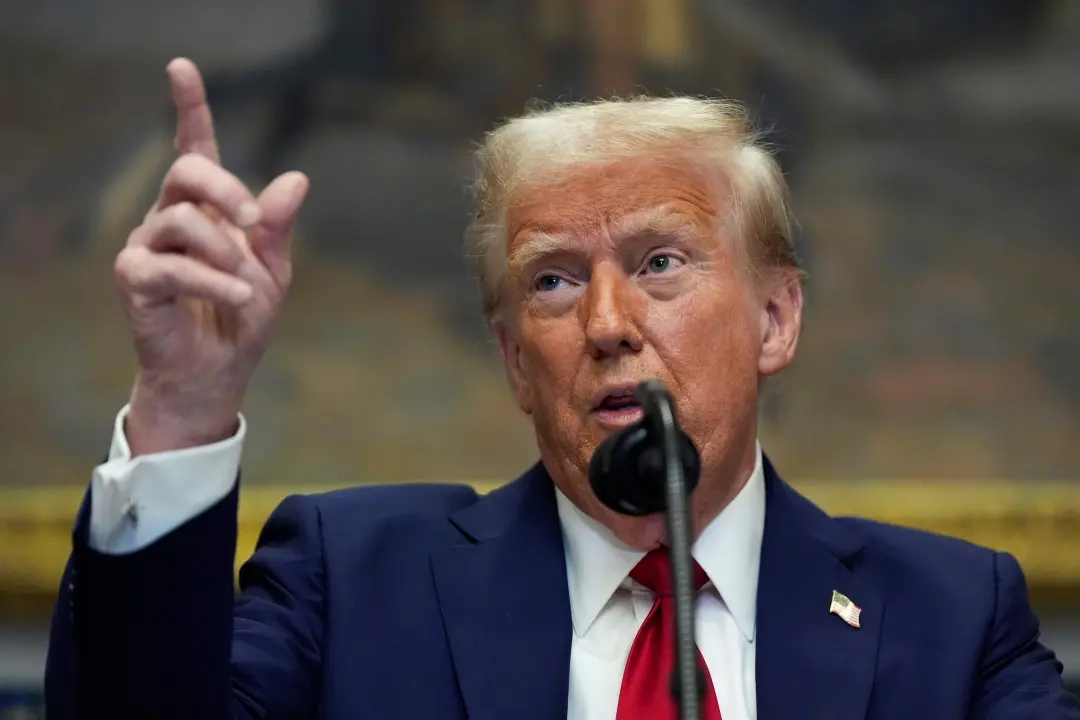
Washington DC: The United States announced on Wednesday that its government vessels would sail through the Panama Canal without incurring any fees, following mounting pressure from President Donald Trump. The move was hailed by the State Department as a major cost-saving measure, potentially saving millions of dollars annually for the US government.
The announcement came through a post on social media platform X, where the State Department stated, “US government vessels can now transit the Panama Canal without charge fees, saving the US government millions of dollars a year.”
Panama Canal authority denies
However, the Panama Canal Authority, the organisation responsible for managing the crucial waterway, quickly contradicted the US claim, stating that no agreement had been made. In a formal statement, the authority emphasised, “The Panama Canal Authority, which is empowered to set tolls and other fees for transiting the canal, reports that it has not made any adjustments to them.”
The statement further added that Panama was still open to discussions with US authorities.
US concerns
US Secretary of State Marco Rubio had suggested over the weekend that Panama had offered concessions during his talks. He argued that it was unjust for the United States, which plays a key role in defending the canal, to also be charged for its use. Rubio confirmed his efforts in persuading Panama on the issue, stating, “It was unfair for the United States to be in a position to defend the vital waterway and also to be charged for its use.”
US government vessels, which are primarily navy ships, make up a small percentage of the total traffic through the canal. However, the US military’s aircraft carriers are too large to pass through the canal and are thus forced to take the far longer route around South America.
The issue has taken on broader geopolitical significance, with Trump and Rubio expressing concerns over China's growing influence in the region. Trump has repeatedly raised alarms about Chinese investments, including in ports located on both sides of the canal. He warned that China could potentially close the waterway to the United States during a crisis.
Since his election, Trump has refused to rule out the use of force to seize control of the canal, a vital artery through which 40% of US container traffic passes. In a notable moment during his inaugural address, Trump had remarked that the United States would be "taking back" the canal, which was originally built by the US over a century ago but was handed back to Panama in 1999.
Panama's stand
In an effort to ease US concerns, Panama President Jose Raul Mulino has ordered an audit of Panama Ports Company, a subsidiary of Hong Kong-based CK Hutchison Holdings. The company operates key ports around the canal, and the concession agreement, initially granted in 1997 and extended in 2021, has raised concerns in Washington due to China’s increasing influence in Hong Kong.
Mulino also announced that Panama would not renew its membership in China’s Belt and Road Initiative, a significant infrastructure program led by Beijing, aiming to address US concerns. Rubio described his talks with Mulino as “respectful” and expressed optimism that they would lead to positive outcomes. However, Trump has expressed dissatisfaction with the developments, although he acknowledged that Panama had “agreed to certain things.”
The United States and Panama are set to hold further talks on Friday to address the situation.