US government shutdown: What it means and how it will impact India’s economy and markets
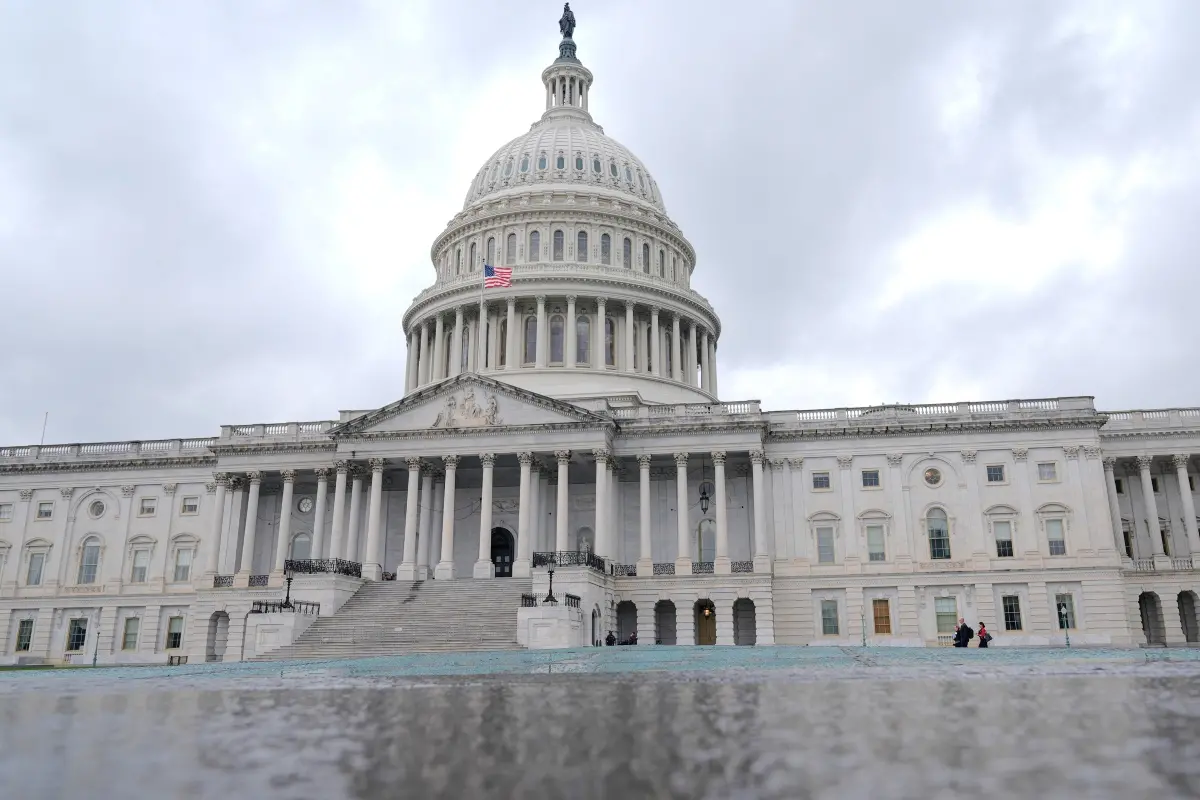
The United States federal government officially shut down as of 12:01 a.m. on October 1, after Congress failed to reach an agreement on extending funding for the new fiscal year. This legislative failure marks the 21st funding gap since 1977. Economists warn that while a short shutdown (less than two weeks) might have a limited impact, negative effects will increase significantly if the gridlock continues. The political impasse centres on disagreements over government spending, specifically with Democrats pushing to extend enhanced healthcare subsidies for the Affordable Care Act (ACA), which benefit approximately 22 million Americans.
What does the Shutdown mean?
A government shutdown occurs when Congress cannot pass the annual appropriation bills required to fund federal departments and agencies. As a result, the government must immediately halt all “nonessential” functions. However, key "essential" services related to public safety, such as national security and air-traffic control, will continue to operate.
Who is immediately affected?
The most immediate impact is felt by federal employees and government contractors.
1. Furloughed workers: Up to 750,000 federal workers could be furloughed (sent home without pay) each day. While these federal employees are historically guaranteed back pay once the shutdown ends, they will miss paycheques in the interim.
2. Contractors: Unlike federal staff, government contractors—who provide various services from cafeteria support to strategic advice—are not historically guaranteed back pay, leading to financial strain for their households.
3. A unique threat: Experts note this shutdown has a dangerous element: President Donald Trump has threatened to permanently fire, rather than temporarily furlough, thousands of non-essential workers if Congress fails to pass a deal. This action would increase the unemployment rate significantly and represents a “whole different ball game” for the US economy.
How will day-to-day life change?
While major payments like Social Security and Medicare benefits continue, as they are considered "mandatory" spending, various public services will be disrupted:
a) Travel: Air traffic controllers and Transportation Security Administration (TSA) officers are essential staff and must work without pay. During past shutdowns, financial stress led some TSA agents to call in sick, resulting in staff shortages, long airport queues, and delayed travel. Additionally, US national parks and monuments will close.
b) Housing and finance: The federal flood insurance programme immediately closes to new policies, meaning that mortgages requiring this insurance cannot be finalised. Key economic reports, such as the monthly jobs report, will also likely be delayed, hindering the Federal Reserve’s ability to guide interest-rate policy.
c) Safety nets: Federal programmes supporting vulnerable families are immediately at risk. The Supplemental Nutrition Program for Women, Infants, and Children (WIC), which helps low-income families with food, could run out of funds if the shutdown lasts longer than about a week.
Will this impact India?
Yes, although the shutdown occurs in the US, it sends ripples across the world, including India.
Financial markets: The shutdown creates uncertainty in global markets, which can cause volatility in stock indices and investor sentiment. India’s Dalal Street is closely linked to US market trends, and Foreign Institutional Investors (FIIs) may reduce their investments in Indian markets amidst this uncertainty.
IT and trade: The Indian IT and services sector, which relies heavily on contracts from US companies, may feel pressure from either delayed payments or the deferment of new offshore projects if federal agencies halt services. Furthermore, a prolonged disruption could affect the US supply chain, indirectly impacting Indian businesses. Reduced demand from US consumers could also affect Indian exports.