From Suez to Greenland: Key moments of US-Europe disagreement since 1950
The dispute between the United States and Europe over Greenland isn’t the first time the allies have been at odds.
Deep disagreements have flared up from time to time since World War II, creating diplomatic crises across the Atlantic.
Here’s a look at some of them – and how the Greenland row fits into the pattern.
Greenland dispute
President Donald Trump has renewed efforts to bring Greenland under American control, citing national security and strategic concerns because of its location in the Arctic and its proximity to Russia and China. Denmark and European governments have firmly rejected the idea, insisting that Greenland is not for sale.
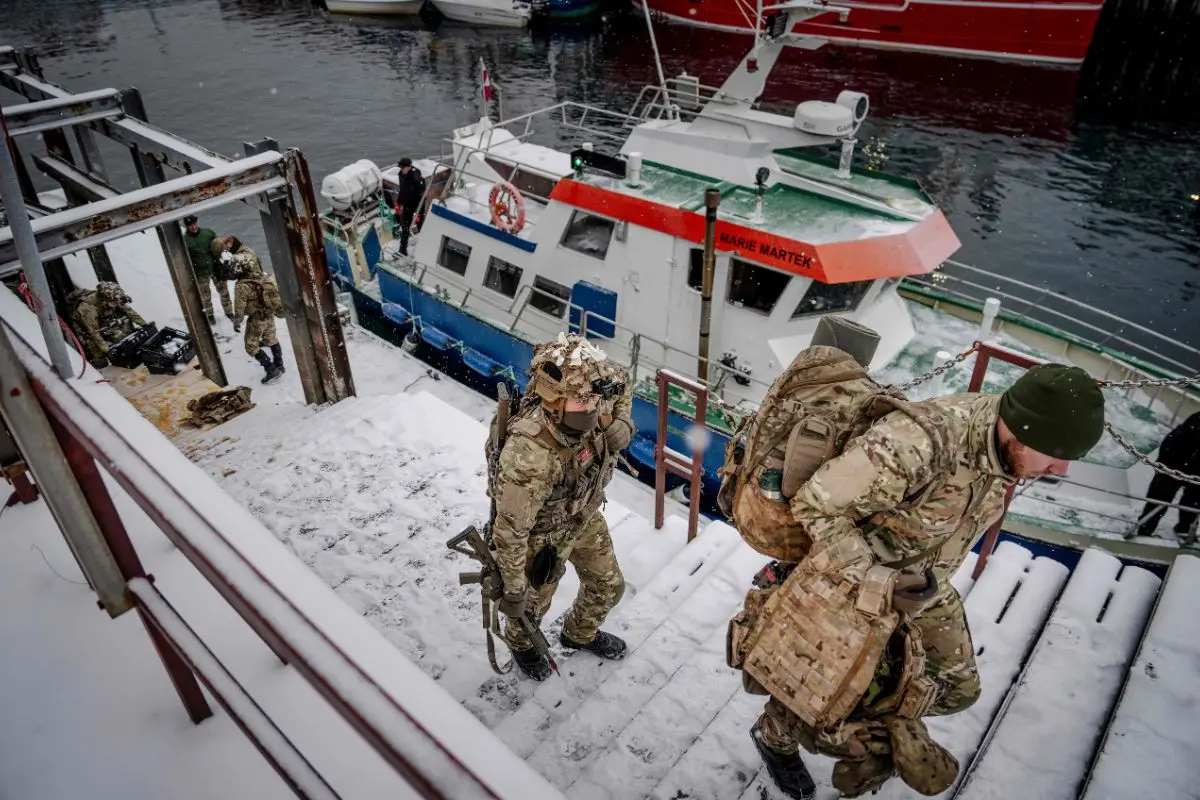
Trump has threatened tariffs on eight European nations, including Denmark, France, Germany and the UK, unless they comply. He initially set an additional 10 per cent tariff from February 2026, warning it could rise to 25 per cent by June. European leaders condemned the move as coercive and damaging to trans‑Atlantic relations, while some countries stepped up military activity in Greenland to assert their sovereignty.
Suez crisis
When France, the United Kingdom and Israel invaded Egypt in 1956, aiming to topple President Gamal Abdel Nasser and take back control of the Suez Canal, the US applied heavy diplomatic and economic pressure to stop them. Washington’s intervention strained relations with London and Paris, marking a milestone in Europe’s waning postwar influence.
Vietnam War
While European countries, with the notable exception of France, gave diplomatic backing to the US, they refused to provide troops. Street protests against the war were widespread, forcing European governments to balance support for America with domestic political pressures, and weighing heavily on trans‑Atlantic relations.
Euromissile crisis
Russia’s deployment of SS‑20 missiles in the 1980s led NATO to place US Pershing nuclear missiles and cruise missiles in Europe to maintain a strategic balance. The move sparked massive anti‑nuclear demonstrations across the continent, with protesters often targeting Washington.
Invasion of Iraq
The US invasion of Iraq in 2003 created a major rift with Europe, especially France and Germany, who refused to back the attack on Saddam Hussein. US Defence Secretary Donald Rumsfeld famously labelled them “Old Europe,” praising Eastern European countries as “New Europe.”
Extraordinary rendition
As part of its “war on terror,” the US captured and transferred suspects to locations in other countries, where they were interrogated and often tortured. While some European governments cooperated, public outcry forced leaders to denounce the practice.
War in Ukraine
When Trump returned to the White House in January 2025, he upended US policy toward Russia’s invasion of Ukraine. He spoke warmly of Vladimir Putin, was cool toward President Zelenskyy, and cut US military aid for Kyiv. European leaders, alarmed for their own security, pressed Trump to support Ukraine.
National security strategy
The Trump administration’s new national security strategy portrayed European allies as weak, criticised their migration and free speech policies, warned of “civilisational erasure,” and questioned their long-term reliability as American partners.
Trade tariffs
As US–Europe relations deteriorated, Trump threatened heavy tariffs, initially announcing 30 per cent on the 27‑nation EU, the US’s largest trading partner. Both sides later agreed to a framework setting tariffs at 15 per cent on most goods. The Greenland row has now pushed the threat of tariffs back into the spotlight.
(AP)