US warning to EU: American envoy says trade ‘bazooka’ retaliation would be ‘not wise’
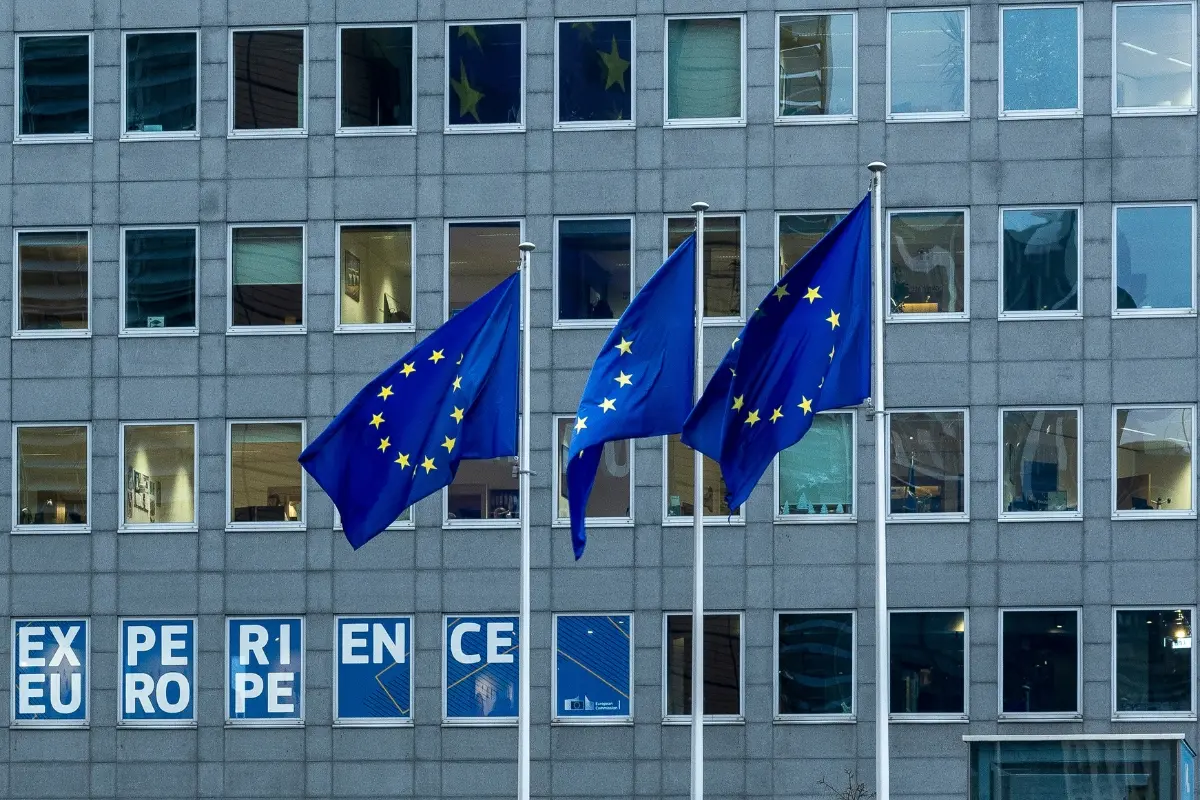
Davos: The U.S. trade envoy issued a sharp warning Tuesday to European nations against deploying their legislative "bazooka" in retaliation for President Donald Trump’s threat to levy tariffs unless the United States is permitted to acquire Greenland.
U.S. Trade Representative Jamieson Greer told reporters at the World Economic Forum that such a move by the European Union would "not be wise," as the geopolitical standoff over the autonomous Danish territory dominated the summit's agenda.
The friction intensified after President Trump threatened duties of up to 25% against eight European nations, including Denmark, France, and Germany, over their opposition to the acquisition. In response, French President Emmanuel Macron has led calls for the EU to activate its Anti-Coercion Instrument (ACI), a powerful trade tool designed to deter foreign powers from exerting economic pressure on the bloc.
"Every country is going to do what's in their national interests," Greer said during a briefing with journalists. "And those have natural consequences."
His comments mirrored a similar warning delivered Monday by U.S. Treasury Secretary Scott Bessent. While some EU officials have urged de-escalation, others have labelled the U.S. position "blackmail" and insisted that the status of Greenland is non-negotiable.
When asked how the U.S. would react if Europe refused to discuss the territory, Greer replied, "If that's the case, then so be it."
"What I've found is that when countries follow my advice, they tend to do OK. When they don't crazy things happen," Greer added.
U.S. Commerce Secretary Howard Lutnick also weighed in during a Davos panel, urging European leaders to "keep the pressure and temperature low." Lutnick warned that any retaliatory tariffs from the EU would jeopardise the trade pact established with the Trump administration last July.
"It wouldn't change to the benefit of Europe," Lutnick said of the current agreement, which currently caps U.S. tariffs on most EU goods at 15%. Under the same framework, Britain secured a 10% ceiling.
Greer signalled a broader shift in American trade philosophy, cautioning partners against assuming "the U.S. market is going to be permanently available to everyone all the time, forever."
"If you don't periodically review and assess whether your level of openness or closed is appropriate, you're going to have outcomes that are inconsistent with the policy goals at the moment," he said. "So there's always going to be a little bit of uncertainty."
With inputs from AFP