US Elections 2024: Indian Americans, Arabs and Jews to be decisive in key swing states
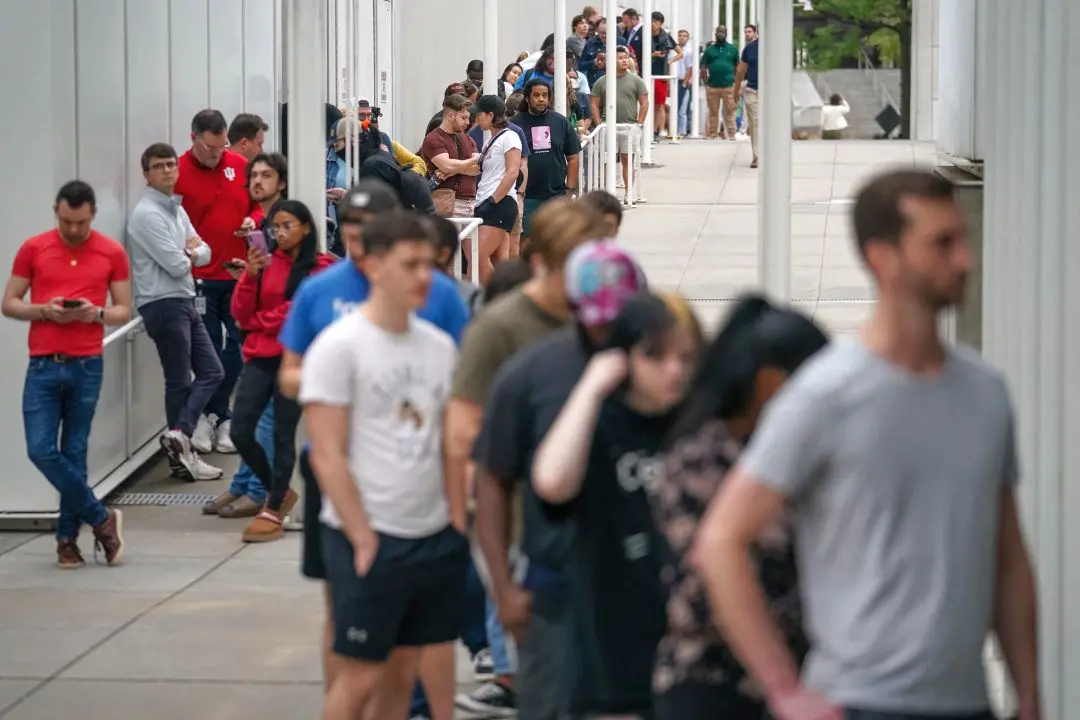
Arabs, Jewish and Indian American minorities to be decisive in key swing states. While these communities represent a modest portion of the electorate, their concentrated presence in key swing states means their voting behavior could be pivotal in determining the outcome of the 2024 election.
1. Michigan
* Arab and Muslim Americans: Michigan hosts the largest Arab American population in the US, with over 300,000 residents of Middle Eastern and North African descent. The state also has more than 200,000 registered Muslim voters.
* Jewish Americans: Approximately 100,000 Jewish residents, constituting just over 1% of the electorate.
* Indian Americans: Specific data on Indian American voters in Michigan is limited, but the community is part of the broader Asian American demographic, which comprises about 3% of the state’s population.
2. Pennsylvania
Arab and Muslim Americans: The state has a significant Arab American population, though exact numbers vary. Muslim voters are estimated to be around 150,000.
* Jewish Americans: Approximately 300,000 Jewish residents, making up about 3% of the electorate.
* Indian Americans: Indian Americans are part of the Asian American demographic, which constitutes about 4% of Pennsylvania’s population.
3. Georgia
* Arab and Muslim Americans: Georgia has a growing Muslim population, estimated at around 124,000.
* Jewish Americans: Approximately 125,000 Jewish residents, comprising just over 1% of the electorate.
* Indian Americans: Indian Americans are a significant part of Georgia’s Asian American community, which makes up about 4% of the state’s population.
4. Arizona
* Arab and Muslim Americans: Arizona’s Muslim population is estimated at about 110,000.
* Jewish Americans: The state has a Jewish population of approximately 108,000.
* Indian Americans: Indian Americans are included in the Asian American demographic, which constitutes about 4% of Arizona’s population.
5. Wisconsin
* Arab and Muslim Americans: Wisconsin’s Muslim population is estimated at around 68,000.
* Jewish Americans: The state has a Jewish population of approximately 33,000.
* Indian Americans: Indian Americans are part of the Asian American demographic, which makes up about 3% of Wisconsin’s population.
6. Nevada
* Arab and Muslim Americans: Nevada’s Muslim population is estimated at about 7,000.
* Jewish Americans: The state has a Jewish population of approximately 41,000, making up about 3% of the electorate.
* Indian Americans: Indian Americans are included in the Asian American demographic, which constitutes about 9% of Nevada’s population.
7. North Carolina
* Arab and Muslim Americans: North Carolina has a Muslim population estimated at around 88,000.
* Jewish Americans: The state has a Jewish population of approximately 49,000, making up about 0.5% of the electorate.
* Indian Americans: Indian Americans are part of the Asian American demographic, which makes up about 3% of North Carolina's population.
Voting Patterns and Potential Impact
* Arab and Muslim Americans: Traditionally leaning Democratic, recent dissatisfaction with U.S. foreign policy, particularly regarding the Israel-Gaza conflict, has led to a shift. In Michigan, for instance, support for Democratic candidates has waned, with some voters considering third-party options or even former President Trump.
* Jewish Americans: Historically, Jewish voters have predominantly supported Democratic candidates. However, the ongoing Middle East conflict has intensified focus on U.S.-Israel relations, potentially influencing voter preferences.
* Indian Americans: Generally supportive of Democratic candidates, Indian American voters are increasingly influential, especially in states with growing Asian American populations. Their support remains crucial for Democratic success in these swing states.