Iran denies US entry into Hormuz, warns of ‘strong response’ as Islamabad peace talks fail
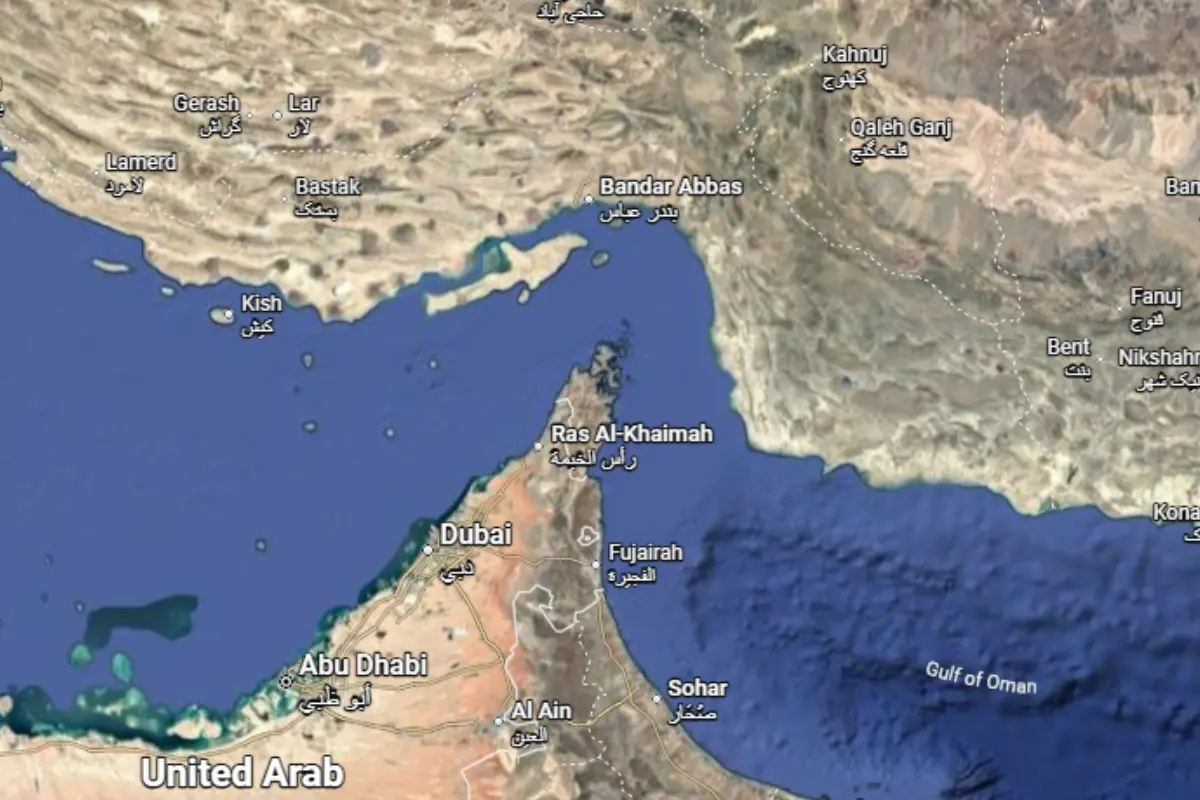
Washington: Tensions between Washington and Tehran escalated on Sunday as the U.S. Central Command announced the commencement of mine-clearing operations in the Strait of Hormuz, an assertion promptly disputed by Iranian military officials as high-level diplomatic talks in Pakistan reached a stalemate.
U.S. Central Command (CENTCOM) reported that the USS Frank E. Peterson (DDG 121) and USS Michael Murphy (DDG 112) have transited the strategic waterway to establish conditions for removing sea mines allegedly deployed by the Islamic Revolutionary Guards Corps (IRGC). The mission is part of a broader American effort to restore the free flow of maritime trade through the chokepoint.
"Today, we began the process of establishing a new passage, and we will share this safe pathway with the maritime industry soon to encourage the free flow of commerce," stated Admiral Brad Cooper, commander of CENTCOM, in an official release.
Tehran Issues Denial and Threats
The Iranian military's Khatam al-Anbiya Central Headquarters moved quickly to dismiss the American claims. A spokesperson for the headquarters told Al Jazeera that the reports of U.S. vessels entering the strait were false, asserting that Tehran maintains absolute authority over the corridor.
"The claim by the CENTCOM commander regarding the approach and entry of American vessels into the Strait of Hormuz is strongly denied," the spokesperson said. "The initiative for the passage and movement of any vessel is in the hands of the Armed Forces of the Islamic Republic of Iran."
The IRGC further intensified the rhetoric, vowing "a strong response" to any foreign military vessels attempting to navigate the strait. The waterway remains the primary flashpoint of the conflict; despite the "double-sided ceasefire" intended to facilitate trade, Iran has effectively kept the passage closed, allowing only a minimal number of vessels to transit daily.
CENTCOM maintains that the strait is an international passage vital to global economic health. Officials confirmed that additional assets, including specialised underwater drones, are scheduled to join the clearing operations in the coming days.
Negotiations Reach an Impasse
The military posturing coincided with the collapse of diplomatic efforts in Islamabad. After 21 hours of intensive negotiations with Iranian representatives, U.S. Vice President JD Vance announced Sunday that the two sides had failed to reach a definitive agreement.
Speaking to reporters before his departure, Vance characterised the lack of progress as a significant setback for Tehran.
"We've had a number of substance agreements with the Iranians—that is the good news," Vance said. "The bad news is that we have not reached an agreement. That is bad news for Iran, much more than it is bad news for the United States of America."
With inputs from ANI