Dubai airport partially reopens, but 80% of flights still cancelled; thousands remain stranded
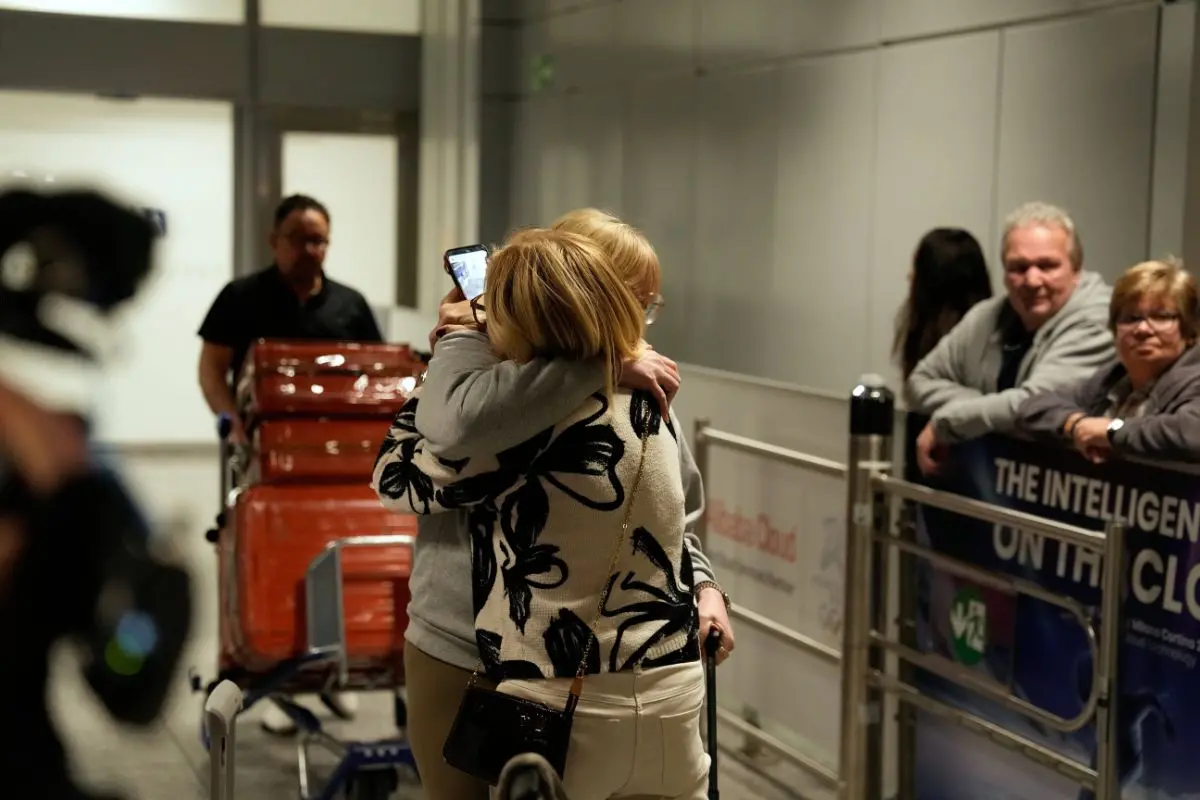
A cautious resumption of select flights from the United Arab Emirates has offered limited relief to passengers stranded by widespread Middle East airspace closures, even as hundreds of thousands remain caught in travel uncertainty.
Long-haul carriers Emirates and Etihad Airways, along with budget airline Flydubai, began operating a small number of repatriation and cargo services on Monday and Tuesday after air traffic across parts of the region was suspended over the weekend due to escalating tensions between the United States, Israel, and Iran. However, the vast majority of commercial operations remain grounded.
According to flight tracking platform Flightradar24, cancellations across seven major Middle Eastern airports—including Dubai International Airport, Hamad International Airport, Zayed International Airport, Sharjah, Kuwait, Bahrain, and Al Maktoum International Airport—have exceeded 12,300 flights between 28 February and 3 March. More than 80% of scheduled services to and from Dubai and over half of flights in Abu Dhabi remain cancelled, according to aviation data firm FlightAware.
Dubai authorities have urged passengers to travel to airports only if directly contacted by airlines, describing the current phase as a “limited resumption of operations.” At least 15 Etihad flights departed Abu Dhabi on Monday, heading to destinations such as Islamabad, Paris, Amsterdam, Mumbai, Cairo, and London Heathrow. Only repatriation, cargo, and repositioning flights may operate under strict safety approvals. Scheduled commercial services remain suspended until Thursday afternoon.
Emirates operated a limited number of repatriation and freighter flights. One of the first departures, Emirates flight UAE500 to Mumbai, was tracked live by over 138,000 users online, highlighting global attention on the crisis. Five Emirates A380 aircraft departed Dubai on Tuesday morning for Jeddah, Manchester, Paris, London, and Frankfurt. Flydubai confirmed it would operate a handful of departures and arrivals while monitoring the evolving situation.
The disruption has been particularly severe because the affected airports serve as critical intercontinental transit hubs connecting Europe, Africa, and Asia. Operations at Hamad International Airport in Doha remain suspended pending clearance from Qatari aviation authorities. Nearly 8,000 transit passengers are stranded in the country due to airspace closures. Passengers across multiple countries—including tourists, migrant workers, business travellers, and religious pilgrims—have faced extended hotel stays, airport layovers, and disrupted onward journeys.
Given the large Indian diaspora across the Gulf, Indian carriers have begun limited efforts to restore connectivity. IndiGo announced four return flights to Jeddah, while Air India Express resumed services to Muscat but continues to suspend flights to Bahrain, Kuwait, Qatar, Saudi Arabia, and the UAE. Budget carrier Akasa Air is operating select services to Jeddah. Meanwhile, Air India has extended its suspension of all flights to and from the UAE, Saudi Arabia, Israel, and Qatar until late 2 March.
European, North American, and Asian airlines have also adjusted routes. The Lufthansa Group—including Lufthansa, SWISS, Austrian Airlines, and Brussels Airlines—has suspended flights to several Middle Eastern destinations until at least 8 March. British Airways has cancelled flights to Tel Aviv and Bahrain and offered flexible rebooking, while Air France, KLM, and Turkish Airlines have also halted multiple services. US carriers, including Delta Air Lines and American Airlines, have suspended routes to Tel Aviv and Doha, and Air Canada has paused services to Dubai and Tel Aviv until later this month.
Dubai Airports announced a phased resumption of services beginning the evening of 2 March. Operations at Dubai International Airport and Al Maktoum International Airport have resumed on a restricted basis, with only select arrivals and departures permitted. Authorities stressed that flight volumes remain significantly below normal levels and subject to real-time security assessments. The UAE plans to operate over 80 scheduled flights in the next phase to transport approximately 27,000 passengers.
Regional carriers have introduced flexible booking policies. Qatar Airways offers complimentary date changes or refunds for confirmed bookings between 28 February and 10 March 2026. Etihad Airways suspended all scheduled commercial flights until 14:00 UAE time on 4 March, offering refunds for passengers scheduled to travel up to 7 March. British Airways extended flexibility for travellers to Middle Eastern destinations, allowing free changes or refunds for bookings through mid-March.
While Pakistan’s airspace remains fully open, regional uncertainty continues to weigh heavily on aviation. Airlines have stressed that operations remain subject to evolving security assessments and regulatory approvals. With major Gulf hubs operating at limited capacity and regional airspace still restricted, full restoration of normal schedules may take several days.
For now, only a fraction of scheduled flights has resumed, offering modest relief but leaving the broader aviation network under strain amid one of the region’s most significant disruptions in recent years.