Shocking power of Tsunamis: Key facts you need to know
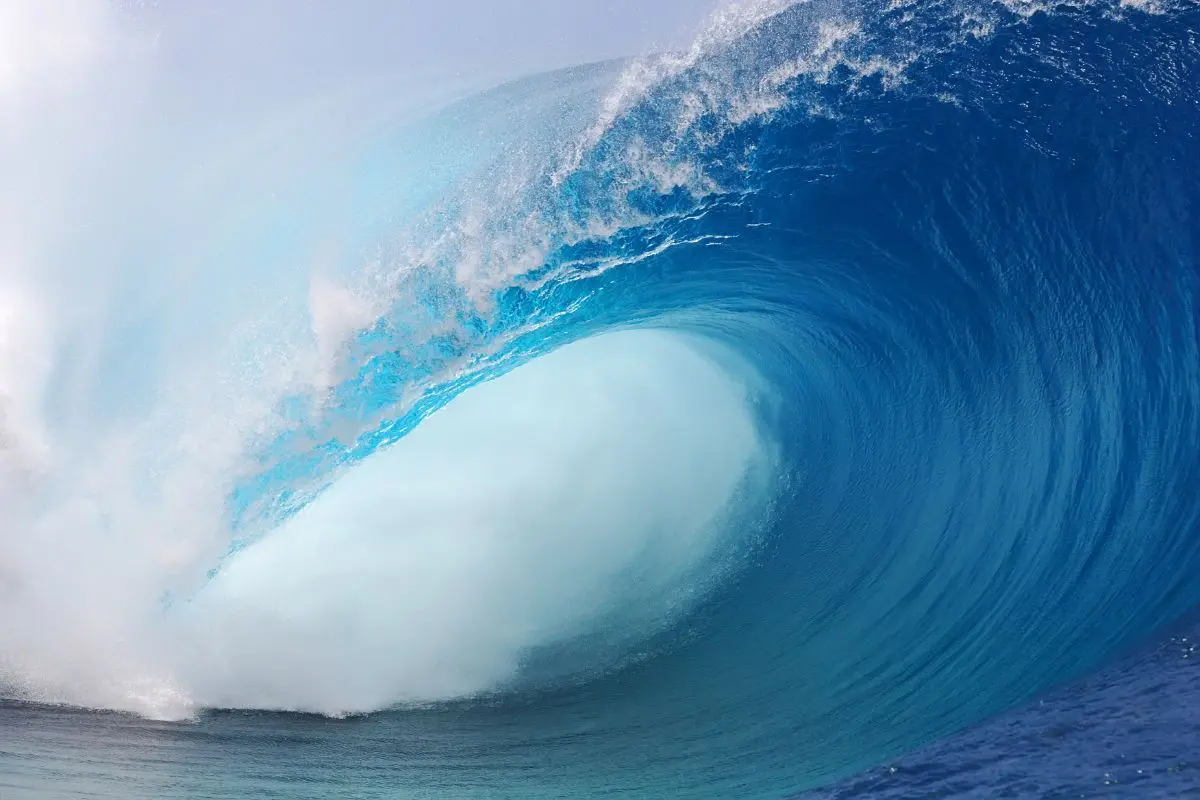
Tokyo: Following an 8.8 magnitude earthquake off Russia’s Far East, tsunami warnings were issued across parts of the Pacific on Wednesday. Here are essential facts about tsunamis and the destruction they can bring:
What is a tsunami and how is it created?
A tsunami is a powerful surge of water travelling across the ocean, most often caused by a strong undersea earthquake. When the Earth's crust abruptly shifts—either pushing upward or downward—the seabed moves suddenly, displacing a massive volume of water that generates waves.
How do Tsunami waves travel across the ocean?
These waves spread outwards in all directions from the origin and can travel great distances at speeds comparable to a jet plane. Although tsunamis are rare, they can create strong currents and catastrophic flooding in coastal areas.
Can other events besides earthquakes cause Tsunamis?
While large earthquakes are the primary cause of tsunamis, other major geological events such as volcanic eruptions and landslides can also trigger them. For instance, the 1883 volcanic explosion on the Pacific island of Krakatoa generated a blast audible 4,500 kilometres away and a tsunami that claimed approximately 30,000 lives.
According to the US National Oceanic and Atmospheric Administration, powerful storms or even meteorites striking the ocean can sometimes generate tsunamis.
Where does the word “Tsunami” come from and what does it mean?
The term "tsunami" derives from the Japanese words for "harbour" and "wave”. They are often mistakenly called "tidal waves”, but this term is misleading as tsunamis are unrelated to tides.
Why are Tsunami waves small at first but grow larger near the shore?
At their origin, tsunami waves typically have low height and are spaced far apart. However, as they near the shore, the ocean floor’s shallowing compresses the waves, reducing the gap between peaks and dramatically increasing their height.
What are warning signs of an approaching Tsunami?
Upon reaching the coastline, tsunami waves can come in multiple surges over hours or even days. Often, the first warning sign is an unusual retreat of the sea, which precedes the arrival of the large waves.
Roman author Ammianus Marcellinus described a tsunami in 365 AD that struck Alexandria:
"The sea was driven back, and its waters flowed away to such an extent that the deep seabed was laid bare and many kinds of sea creatures could be seen."
He further wrote, "Huge masses of water flowed back when least expected, and now overwhelmed and killed many thousands of people... some great ships were hurled by the fury of the waves onto the rooftops."
What factors influence size and impact of Tsunami?
Several factors influence a tsunami's size and destructive power, including the magnitude of the earthquake, the volume of displaced water, the shape of the sea floor and natural barriers that may lessen the wave’s force.
Which regions are most prone to tsunamis?
The Pacific Ocean is particularly susceptible to tsunamis due to its seismic activity, but these events have occurred globally over the centuries.
What was the impact of the 2004 Indian Ocean tsunami?
The Indian Ocean tsunami of December 2004, caused by a 9.1 magnitude quake near Sumatra, Indonesia, released energy equivalent to about 23,000 atomic bombs dropped on Hiroshima, according to the US Geological Survey. It tragically resulted in around 2,20,000 deaths across 11 countries, many far from the quake's epicentre.
AFP