Trump warns Iran of more destruction as US Democrats prepare push to end war
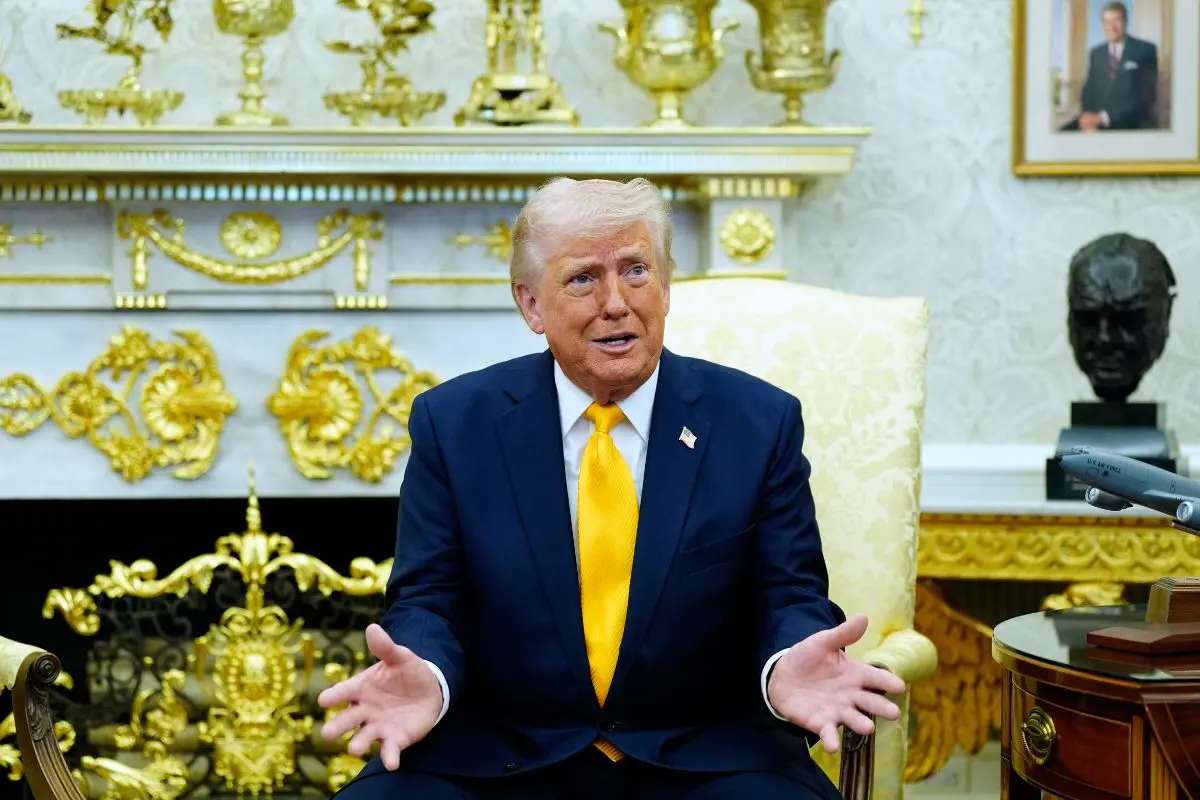
US President Donald Trump has warned that Iran could face further destruction, leaving open the possibility of additional military action even as Democrats in Congress prepare to challenge the war and demand a clear plan for ending it.
Speaking to reporters at the White House on Thursday, Trump said he would prefer not to destroy more of Iran but suggested that further action remained possible.
“I would rather not destroy the rest of the country, if possible, but maybe I'll have to. You'll know soon enough,” he said.
Trump did not specify when further military action might take place, identify potential targets or announce any new strikes. His remarks, however, offered little clarity on how far the US campaign could go or what would bring it to an end.
The president defended the military operation during an Oval Office event, reiterating that Iran must not be allowed to acquire nuclear weapons. Asked about reported proposals involving Tehran's nuclear programme, he said, “They're not doing anything without our approval.”
He did not confirm the details of any proposal or indicate that Washington and Tehran had agreed on a negotiating framework.
Democrats prepare congressional challenge to Iran war
As Trump kept the possibility of further action open, senior Democrats in the House outlined plans to use Congress to challenge the administration's handling of the conflict.
Gregory Meeks, the senior Democrat on the House Foreign Affairs Committee, has pledged to bring resolutions seeking an immediate end to the war if he becomes the committee's chairman in the next Congress.
In a November 4 letter seeking support from colleagues, Meeks said he wanted to restore Congress's role in decisions involving American military action.
“On the legislative front, I intend to bring resolutions to the floor to immediately terminate the President’s war with Iran and will prioritize clawing back Congress’s proper role in the making of American foreign policy,” he wrote.
Meeks also proposed calling senior administration officials to testify publicly about the Iran war, US policy towards Venezuela and disputes over congressional authority on military action and trade.
His proposals remain part of a planned legislative and oversight agenda. He did not announce a date for a vote or identify a newly introduced resolution that would immediately end the conflict.
Democrats question war's objectives and exit strategy
House Democratic Whip Katherine Clark also criticised the administration's handling of the conflict, questioning why the US entered the war and how it plans to bring American troops home.
Speaking to CNN, Clark said Democrats would demand answers about the objectives of the military campaign, its continued funding and the safety of US personnel.
She accused Trump of taking the country into “a reckless war that had no exit strategy, had no clear goals” and linked the conflict to mounting pressure on household fuel costs.
Clark said Democrats would push for discussions on how the administration intends to end the war while protecting American citizens and military personnel.
The two lawmakers are approaching the issue from different directions. While Meeks wants to use congressional resolutions and public hearings to challenge the war, Clark is focusing on its financial burden, military risks and the absence of a clear exit plan.
Their statements were made ahead of Trump's latest warning.
Why the Iran conflict matters to India
The uncertainty surrounding the conflict also has implications beyond the United States and Iran, particularly for countries that depend heavily on energy imports from the Gulf.
The Strait of Hormuz is one of the world's most important oil transit routes. The International Energy Agency identifies India, China and Japan among the major destinations for oil transported through the waterway.
Any escalation affecting this route could raise concerns for major energy-importing economies, including India. The security of shipping and the movement of oil through the Gulf therefore remain important international concerns as Washington's next move towards Tehran remains unclear.
For now, Trump has left open the possibility of further military action without setting out a timetable, while Democrats are preparing to make the war a major issue in Congress.
With IANS inputs