Trump signs plan for reciprocal tariffs, says 'it's fair to all'
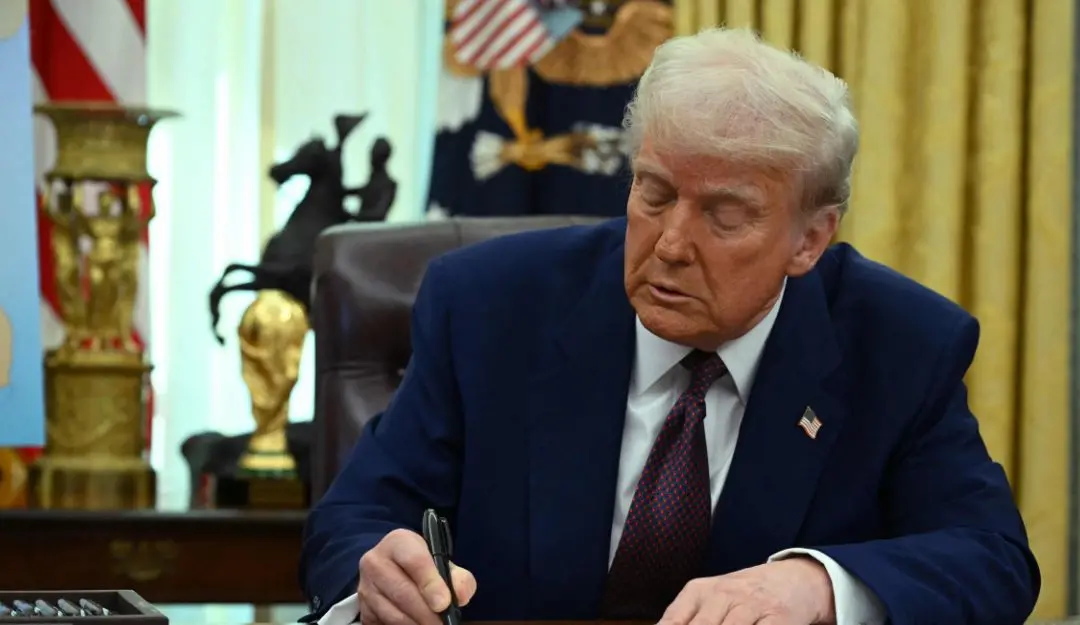
Washington: On Thursday, President Donald Trump signed a proclamation to introduce reciprocal tariffs on US imports. The new plan aims to increase US tariffs to match the tax rates that other countries charge on imports, potentially triggering economic uncertainty and trade tensions worldwide.
“I’ve decided for purposes of fairness that I will charge a reciprocal tariff,” Trump said in the Oval Office during the proclamation signing. “It’s fair to all. No other country can complain.”
The new tariffs would be tailored to each country, with the goal of initiating new trade negotiations. However, this could also result in retaliatory tariffs from other nations, which may lead to a broader trade conflict. While the US has relatively low average tariffs, the new taxes could raise costs for American consumers and businesses.
Scott Lincicome, a trade expert at the Cato Institute, argued that Trump's plan may lead to higher taxes for American consumers and manufacturers, stating, “It will inevitably mean higher tariffs, and thus higher taxes for American consumers and manufacturers.” Lincicome also noted that the plan reflects a “fundamental misunderstanding of how the global economy works.”
Factors to be considered for new tariffs
Trump’s administration will consider various factors when assessing tariffs, including value-added taxes (similar to sales taxes), subsidies to industries, regulations, and currency undervaluation. The new tariffs will be aimed at equalising the trade playing field, but experts warn this could lead to higher prices for US consumers.
A senior White House official, who requested anonymity, said the expected tariff revenues could help offset the US government’s projected USD 1.9 trillion budget deficit. The official added that the reviews needed for the tariffs could be completed in a few weeks to months.
The implementation of reciprocal tariffs marks a significant shift in US trade policy. The president’s strategy is designed to tackle trade imbalances, but it carries substantial risks. Analysts have warned that raising tariffs could push inflation higher and slow down economic growth. If the plan leads to trade retaliation, the US economy could face a full-blown trade war.
The US has been in a trade deficit with multiple countries for years, with trade in goods between Europe and the US nearing USD 1.3 trillion last year. Trump’s new tariffs could potentially escalate the existing tensions with key trading partners, including China, Canada, Mexico, and the European Union.
Retaliation from other countries likely
The EU, Canada, and Mexico have already prepared countermeasures against the U.S., which could lead to further escalation. China has already retaliated with tariffs on U.S. energy, agricultural machinery, and large-engine autos. Trump’s trade actions have sparked concerns about the possibility of a global trade war, which could harm both the U.S. and international economies.
Trump’s tariff plan may also be a political gamble. The president is betting that voters will accept the higher inflation resulting from the tariffs. This comes after inflation significantly impacted voter sentiment in 2021 and 2022, leading to frustration over rising prices. Despite concerns about inflation, Trump remains confident in the benefits of his tariff plan.
“There’s nothing to study,” Trump said when asked if agencies would analyse the impact of the tariffs on prices. “It’s going to go well.”
Agency