‘I would like to meet him’: Trump’s interest in Iran’s Khamenei after calling Netanyahu ‘crazy’
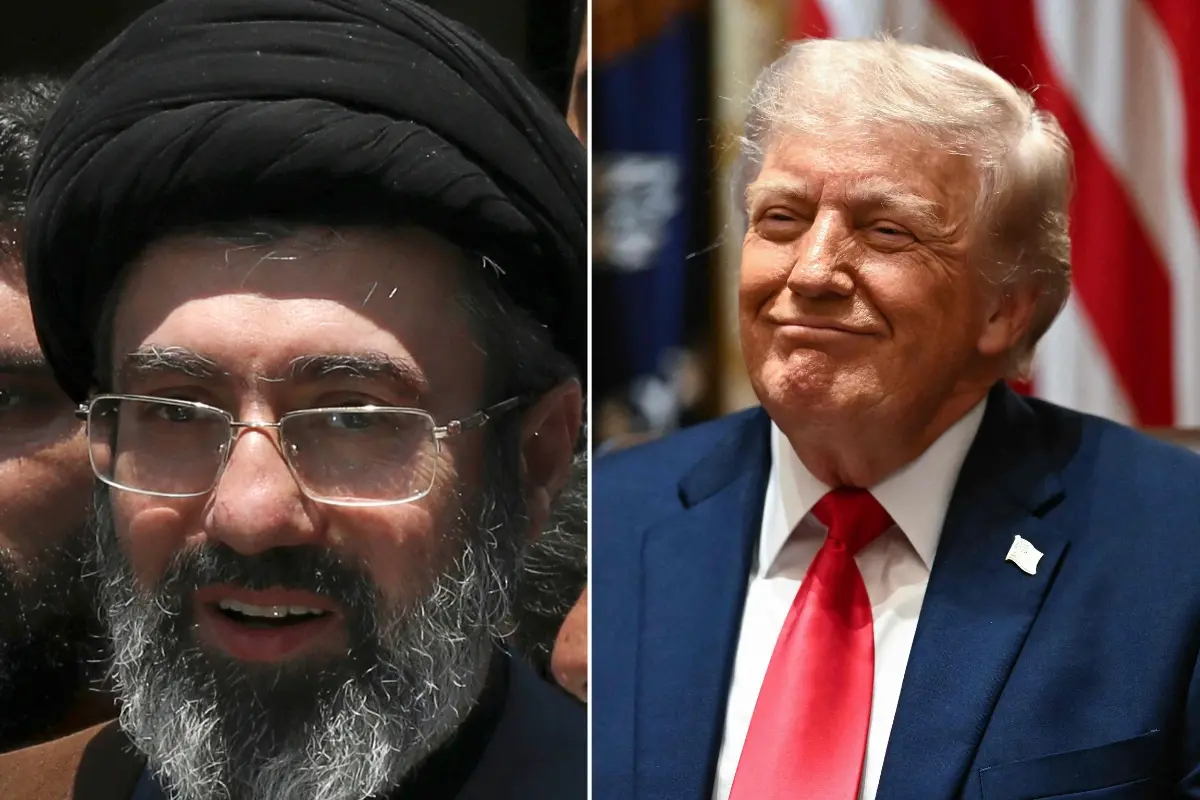
Washington DC: US President Donald Trump has indicated that he may eventually hold direct talks with Iran's new Supreme Leader, Mojtaba Khamenei, as Washington continues diplomatic efforts aimed at ending the conflict involving Iran, Israel and Lebanon.
Speaking during a podcast interview, Trump said he believes Mojtaba Khamenei is the key decision-maker in Tehran and suggested that a meeting could take place in the future.
"I would like to meet him, and we probably will meet at some point, depending on how it all works out," Trump said.
The comments come months after Iran underwent a major leadership transition following the death of former Supreme Leader Ali Khamenei during the early stages of the war that erupted in February.
Following his death, Iran named Mojtaba Khamenei as the country's new Supreme Leader, placing him at the centre of decisions regarding military strategy and negotiations with foreign governments.
Trump also claimed that Mojtaba Khamenei had suffered injuries during the conflict, although no independent confirmation of those claims was provided.
"I'm not hearing he's doing great. If you believe the stories, he's missing a lot of different parts," Trump said.
The remarks came shortly after Trump publicly acknowledged a tense phone conversation with Israeli Prime Minister Benjamin Netanyahu.
During the same interview, Trump confirmed reports that he had used strong language while speaking to Netanyahu about Israel's military operations in Lebanon.
Asked whether he had called the Israeli leader "f***ing crazy", Trump replied: "I did."
Explaining his frustration, Trump said: "I was a little bit perturbed at his constantly fighting with Lebanon."
He added that he directly urged Netanyahu to halt the escalation, saying: "Bibi, we gotta stop this."
The reported exchange highlighted growing differences between Washington and Jerusalem over the handling of the regional conflict. While Israel has continued military operations against Hezbollah in Lebanon, the United States has been pursuing diplomatic channels aimed at securing a broader agreement with Iran.
Analysts believe Washington sees a potential peace arrangement with Tehran as critical to restoring stability in the region, including reopening key trade routes and advancing discussions on Iran's nuclear programme.
Trump's latest comments suggest that despite ongoing hostilities, the White House remains open to direct engagement with Iran's leadership.
At the same time, the unusually public disagreement with Netanyahu has fuelled speculation about tensions between two leaders who have long portrayed themselves as close allies.
As fighting continues across multiple fronts, Trump's willingness to meet Iran's new Supreme Leader signals that diplomacy remains part of the US strategy, even as military and political tensions continue to shape events across the Middle East.