Trump plans matching tariffs on trade partners, raising fears of economic showdown
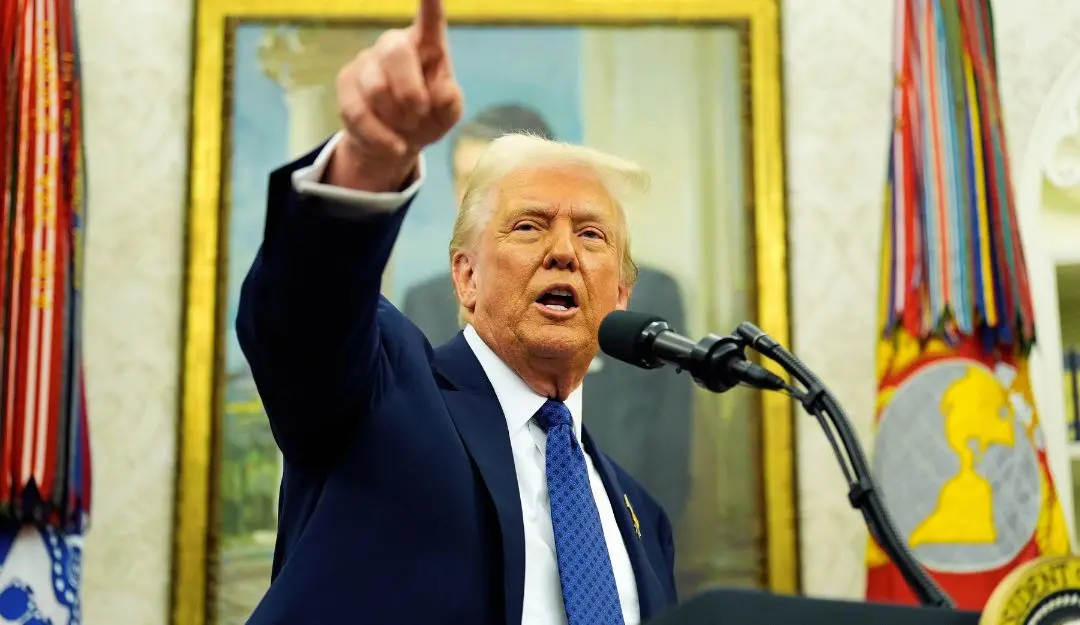
Washington: US President Donald Trump is preparing to take bold steps that could shake up global trade relations. This week, he plans to sign an executive order that would require US tariffs on imports to match the tax rates charged by other countries, setting the stage for a potentially significant economic showdown.
Trump has repeatedly emphasised his desire for “reciprocal” tariffs. “It's time to be reciprocal,” he told reporters earlier this week. “You'll be hearing that word a lot. Reciprocal. If they charge us, we charge them.”
While Trump initially suggested the tariffs would be announced on Tuesday or Wednesday, the White House has indicated that the tariffs could be signed before Indian Prime Minister Narendra Modi’s visit on Thursday.
Economic impact, global repercussions
The potential impact of these tariffs will depend on how other nations respond. A matching tariffs policy could lead to significant price hikes for US consumers and businesses, particularly as the country imported $4.1 trillion worth of goods last year. Retaliation from other countries could lead to global economic disruption and alter the US’s trade relationships with both allies and adversaries.
By signing the order, Trump would honour his long-standing pledge to raise taxes on most imported goods, moving away from recent White House policies that viewed tariffs as targeted tools or barriers to lower. Trump’s policy echoes the 1890s when tariffs on imports were a key source of government revenue.
Critics warn of rising costs for consumers
While Trump’s supporters argue that these measures are necessary for economic reform, critics have raised concerns about rising costs for the American middle class. Senate Democratic leader Chuck Schumer warned: “No matter which way you slice it, costs are going to climb for consumers. I will work with my colleagues to undo this mess, get costs down and get these billionaires out of the way.”
Trump’s tariffs on China, targeting the production of the illicit drug fentanyl, have already led to retaliatory actions by China. The president has also threatened to impose tariffs on Mexico and Canada related to illegal immigration and drug smuggling.
Trump has already ramped up tariffs on steel and aluminum, while also discussing additional taxes on imported automobiles, computer chips, and pharmaceuticals. The move has sparked preparations for countermeasures from America’s trading partners. European Union chief Ursula von der Leyen declared that “unjustified tariffs on the EU will not go unanswered” and warned of retaliatory measures that could target iconic US exports like motorcycles and bourbon.
Global reactions, ongoing tariff strategy
Mexico and Canada, America’s two largest trading partners, are also preparing for possible counteractions. Despite the looming tariffs, Trump’s long-term goal remains clear: to establish greater reciprocity in trade deals. Some of Trump’s advisors have suggested that tariffs are also a diplomatic tool to push Mexico and Canada to do more to stop illegal immigration and drug trafficking.
However, analysts suggest that this move may not be the final word on tariffs. Goldman Sachs analysts believe that, even if reciprocal tariffs are implemented, it is unlikely to be the last major tariff-related development during Trump’s presidency.
Michael Zezas, a strategist at Morgan Stanley, noted that the ongoing “tariff trajectory” will influence global economic factors like growth, inflation, interest rates, and Federal Reserve policies. He added: “This transition is likely to take many years, creating challenges for some and substantial opportunities for others.”
Agency