'You're f*ing crazy': Trump confirms he used foul language with Netanyahu during private call
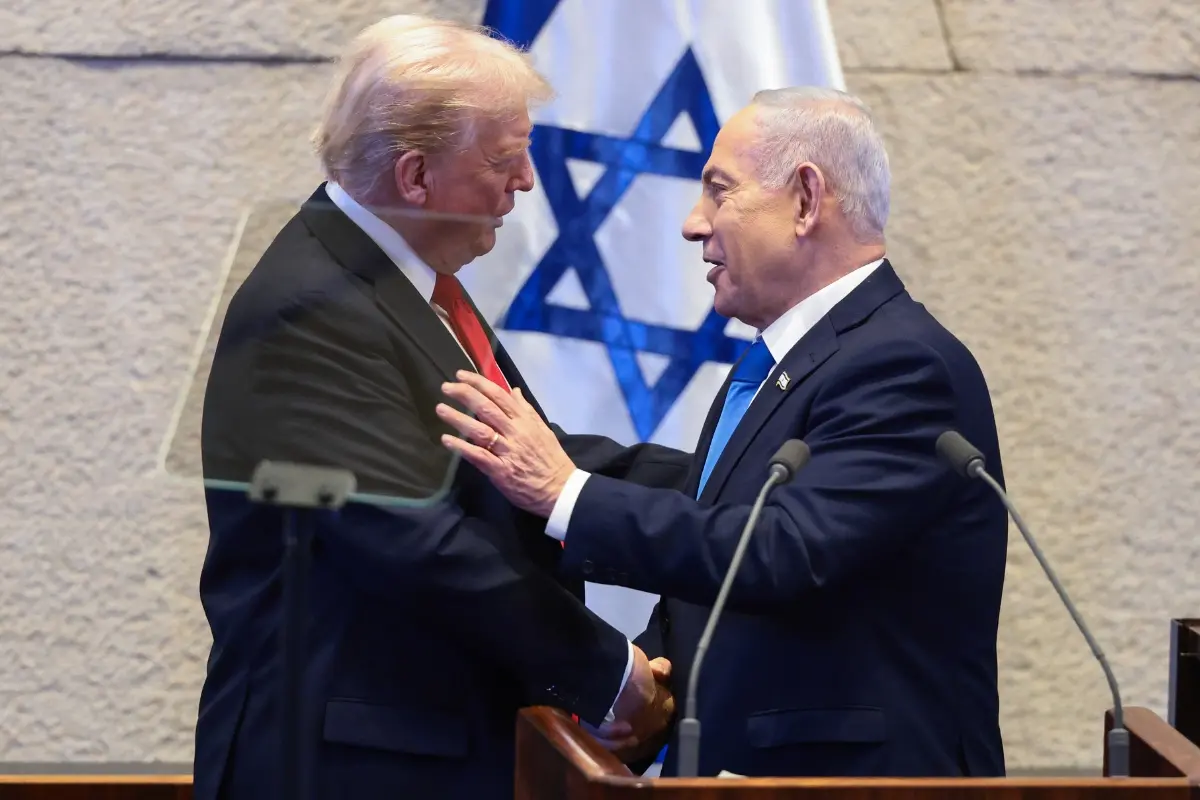
Washington DC: US President Donald Trump has confirmed reports that he used strong language during a phone call with Israeli Prime Minister Benjamin Netanyahu, revealing rare public tensions between two leaders often seen as close allies.
The exchange reportedly took place as Washington pushed for de-escalation in Lebanon while attempting to advance broader diplomatic efforts involving Iran and regional security.
Trump acknowledges using expletives
During an interview, Trump was asked whether reports claiming he had sharply criticised Netanyahu and called him "f***ing crazy" were accurate.
"I did," Trump responded when asked if he had spoken to the Israeli leader in those terms.
The US president said his frustration stemmed from continued military actions involving Lebanon.
"I was a little bit perturbed at his constantly fighting with Lebanon," Trump said.
He added that he directly urged Netanyahu to ease tensions, saying: "Bibi, we gotta stop this."
Disagreement over Lebanon operations
According to reports from US media outlets, Trump became concerned that Israeli military actions in Lebanon could undermine ongoing diplomatic efforts aimed at reducing tensions with Iran.
The reported conversation suggested growing differences over how to handle the conflict at a time when the United States is attempting to prevent further escalation across the Middle East.
One report claimed Trump told Netanyahu: "You're f***ing crazy," while expressing concern that continued military operations could damage Israel's international standing.
Israeli media have disputed parts of the reported exchange.
Trump insists relationship remains strong
Despite the heated language, Trump stressed that his relationship with Netanyahu remains positive.
"We've done well together," Trump said. "I like Bibi a lot."
The comments suggest that while disagreements exist over military strategy, both leaders continue to maintain a close political relationship.
Trump also rejected suggestions that Netanyahu had misled him regarding regional military actions.
When asked whether he felt "tricked", Trump dismissed the idea and criticised those raising such claims.
Lebanon remains a major flashpoint
The exchange comes as hostilities involving Lebanon continue despite diplomatic efforts to reduce tensions.
Recent military actions have raised fears of a wider regional conflict involving multiple actors across the Middle East.
Washington has been working to support ceasefire efforts while encouraging negotiations aimed at preventing further escalation.
Analysts say Lebanon remains one of the most sensitive fronts in the broader regional crisis because developments there could directly affect diplomatic engagement with Iran.
Impact on Iran talks
The reported disagreement highlights the delicate balance facing the United States as it seeks both to support Israel and pursue diplomatic solutions with Tehran.
Reports indicate that military developments in Lebanon have complicated efforts to advance negotiations aimed at ending the wider conflict.
Iran has repeatedly linked broader peace discussions to developments involving Lebanon and Israeli military actions.
As a result, any escalation risks affecting diplomatic progress elsewhere in the region.
Rare glimpse into private diplomacy
Political disagreements between allied leaders often take place behind closed doors, making Trump's public confirmation of the conversation unusual.
His admission offers a rare look at the pressure and frustration shaping high-level diplomacy during one of the Middle East's most volatile periods in recent years.
While Trump and Netanyahu continue to describe themselves as allies, the exchange demonstrates the challenges facing leaders trying to balance military objectives, regional security concerns and ongoing diplomatic negotiations. The episode also underscores how tensions in Lebanon have become a central issue in broader efforts to stabilise the Middle East and prevent the conflict from expanding further.
(With AFP inputs)