India benefits from 90-day tariff pause as Trump targets China with higher levies
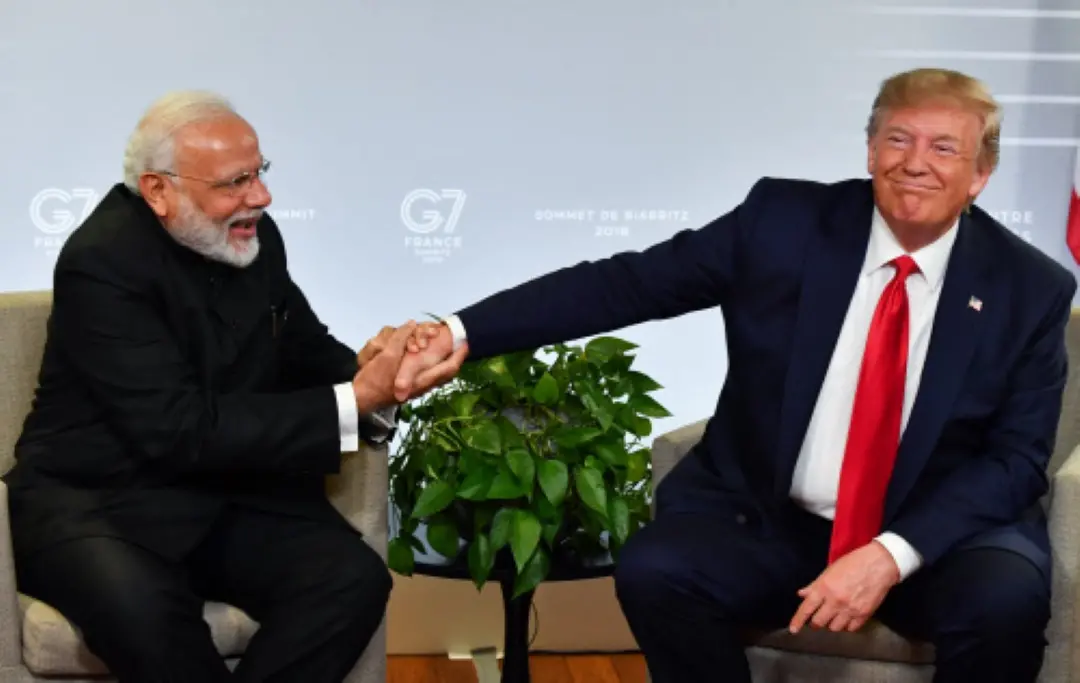
Washington: US President Donald Trump has announced a new tariff plan to lower the tariff on countries like India to just 10% for 90 days. This move benefits countries, including India, that haven’t retaliated with higher taxes on US goods. In contrast, China, which has responded to US tariffs, will face a major tariff increase of 125%.
India has not raised tariffs against the US’s 26% levy and has been in talks with the US to resolve trade issues. Indian External Affairs Minister S. Jaishankar and US Secretary of State Marco Rubio have discussed reaching a trade agreement soon.
Trump's decision to increase tariffs on China came after Beijing raised its tariffs on US goods to 84%. In response, Trump announced a sharp 125% tariff on Chinese imports, criticising China for its lack of respect for global markets.
"Based on the lack of respect that China has shown to the World’s Markets, I am hereby raising the Tariff charged to China by the United States of America to 125 per cent, effective immediately,” President Trump wrote on Truth Social.
“Conversely, and based on the fact that more than 75 Countries have called Representatives of the United States, including the Departments of Commerce, Treasury, and the USTR, to negotiate a solution to the subjects being discussed relative to Trade, Trade Barriers, Tariffs, Currency Manipulation, and Non Monetary Tariffs, and that these Countries have not, at my strong suggestion, retaliated in any way, shape, or form against the United States, I have authorised a 90-day PAUSE, and a substantially lowered Reciprocal Tariff during this period, of 10 per cent, also effective immediately,” he said further.
Although this move is good for India, the US markets have been unstable since these new tariffs were announced. Some financial experts, including Bill Ackman, have called for a 90-day pause in the tariff measures.
Trump’s tariff policy has also faced criticism from within his own team. Tesla CEO Elon Musk disagreed with the tariffs and publicly clashed with Peter Navarro, a key trade adviser.