Trump responds to SC ruling: New 15% tariffs announced, congressional powers questioned
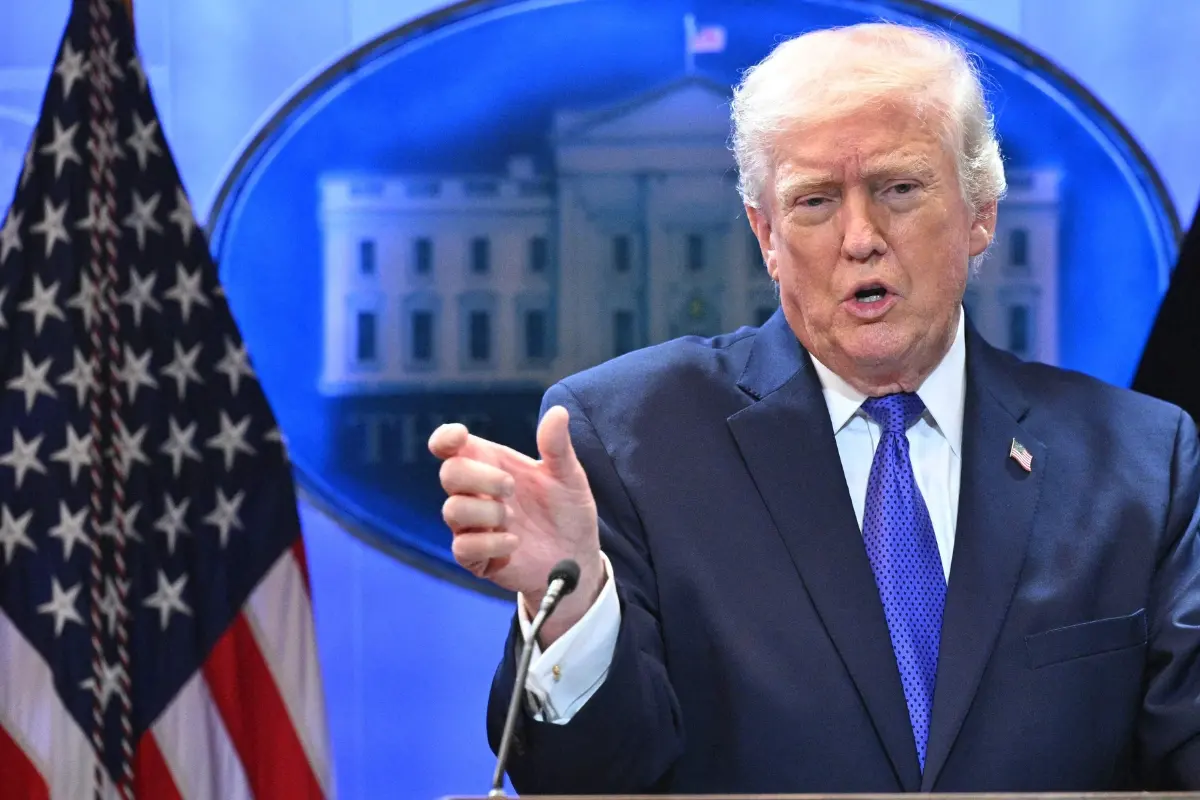
Washington: U S President Donald Trump announced on Saturday plans to increase global tariffs to 15%, up from the 10% he had unveiled just a day earlier, after the Supreme Court struck down many of his far-reaching import taxes.
The Supreme Court, in a 6-3 decision, ruled that Trump had exceeded his authority under a 1977 emergency powers law by imposing sweeping tariffs on nearly every country. The justices found that the unilateral setting of tariffs without Congressional approval was unconstitutional.
In response, Trump has indicated he will now invoke alternative legal authority to impose the higher 15% tariffs, effective Tuesday, the same day as his State of the Union address. The temporary tariffs are limited to 150 days unless extended through legislation.
Trump’s announcement, made via social media, underscores his continued reliance on tariffs as a tool to influence global trade, U S manufacturing, and international policy, despite the Supreme Court check on his powers. He also confirmed that additional tariffs under other federal statutes will be pursued following Commerce Department investigations.
Also Read| US Supreme Court blocks Trump's broad tariffs, limiting presidential economic powers
The decision has drawn swift criticism from Democrats, who labelled Trump’s move as “pickpocketing the American people,” warning that higher tariffs would increase costs for U.S. consumers and businesses. California Governor Gavin Newsom added that the administration appeared indifferent to public concerns.
Federal data shows that more than $133 billion had been collected under Trump’s emergency powers tariffs as of December 2025. The Supreme Court ruling did not address how these funds would be handled.
The development marks the latest chapter in Trump’s aggressive trade policy, which has focused on reshaping global commerce, reviving U.S. manufacturing, and leveraging tariffs to extract concessions from other nations.
AP