Trump says US ‘has to have’ Greenland; will this strain US–Europe ties?
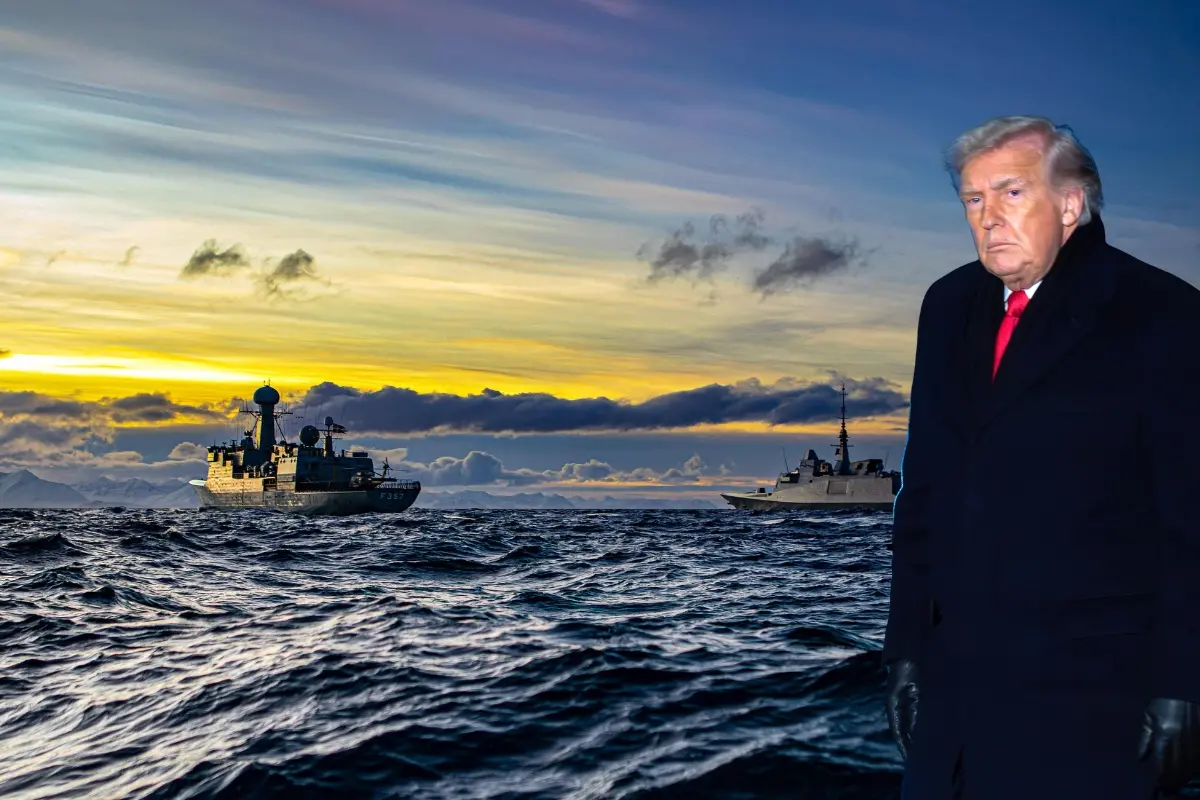
Washington DC: Donald Trump has said he will tell European leaders at this week’s World Economic Forum in Davos that the United States “has to have” Greenland, escalating tensions with allies even as European governments rally behind the semi-autonomous Danish territory.
The remarks come amid a broader shift in Trump’s second presidency, marked by lower internal turnover and a White House increasingly aligned with his confrontational foreign policy approach.
Trump amplified the Greenland issue on social media, sharing messages he claimed were from French President Emmanuel Macron and Nato Secretary General questioning his actions. He also posted AI-generated images depicting himself planting an American flag on Greenland. Over the weekend, Trump went further, threatening eight European allies, including the UK and Denmark, with 10 per cent tariffs if an agreement over Greenland is not reached.
Greenland’s prime minister responded by saying the territory would not allow itself to be pressured, while European allies publicly defended Greenland’s status within the Danish realm. The standoff has added strain to transatlantic relations ahead of Trump’s Davos meetings.
The renewed assertiveness abroad coincides with a notable change inside the White House. One year into Trump’s second term, high-level staff and cabinet turnover is significantly lower than during the same period in his first presidency. According to analysis by Brookings Institution visiting fellow Kathryn Dunn Tenpas, there has been no cabinet-level turnover among officials in the presidential line of succession, while senior staff turnover stands at 29 per cent, down from 35 per cent in 2017.
Also read: US’s biggest fear, EU’s best weapon: How Europe’s $8 trillion leverage could rattle Washington
Although still higher than the historical average of roughly 10 per cent under previous presidents, Tenpas notes that departures this term have largely taken the form of promotions rather than dismissals. During Trump’s first term, high-profile aides such as Reince Priebus, Steve Bannon and Sean Spicer exited abruptly, often amid public controversy. In contrast, recent departures have involved less prominent figures, reducing internal drama.
This shift reflects Trump’s reliance on loyalists during his second presidency. Former officials say the president has prioritised personal loyalty and ideological alignment, moving away from high-profile appointments suggested by party figures. That emphasis has resulted in fewer rival power centres and a more unified policy direction.
The National Security Council has seen the most notable changes. Former National Security Advisor Mike Waltz left the role after the so-called “Signal-gate” incident, in which a journalist was accidentally added to a group chat discussing US airstrike plans in Yemen. Waltz was not dismissed and instead was nominated as US ambassador to the United Nations. He was replaced by Secretary of State Marco Rubio, who continues to hold the national security role in addition to his existing duties.
According to a White House official, the NSC has also undergone broader staff reductions as part of a deliberate move towards a more centralised, top-down foreign policy process. The Brookings data does not account for turnover among career officials across departments such as State, Justice and Defence, where significant changes have occurred.
Together, Trump’s aggressive stance on Greenland and the internal consolidation of his White House underline how a more loyal and stable inner circle is enabling him to pursue contentious foreign policy goals with fewer internal constraints than during his first term.