'Sick, dangerous...': Trump announces plan to designate 'Antifa' as major terrorist organisation
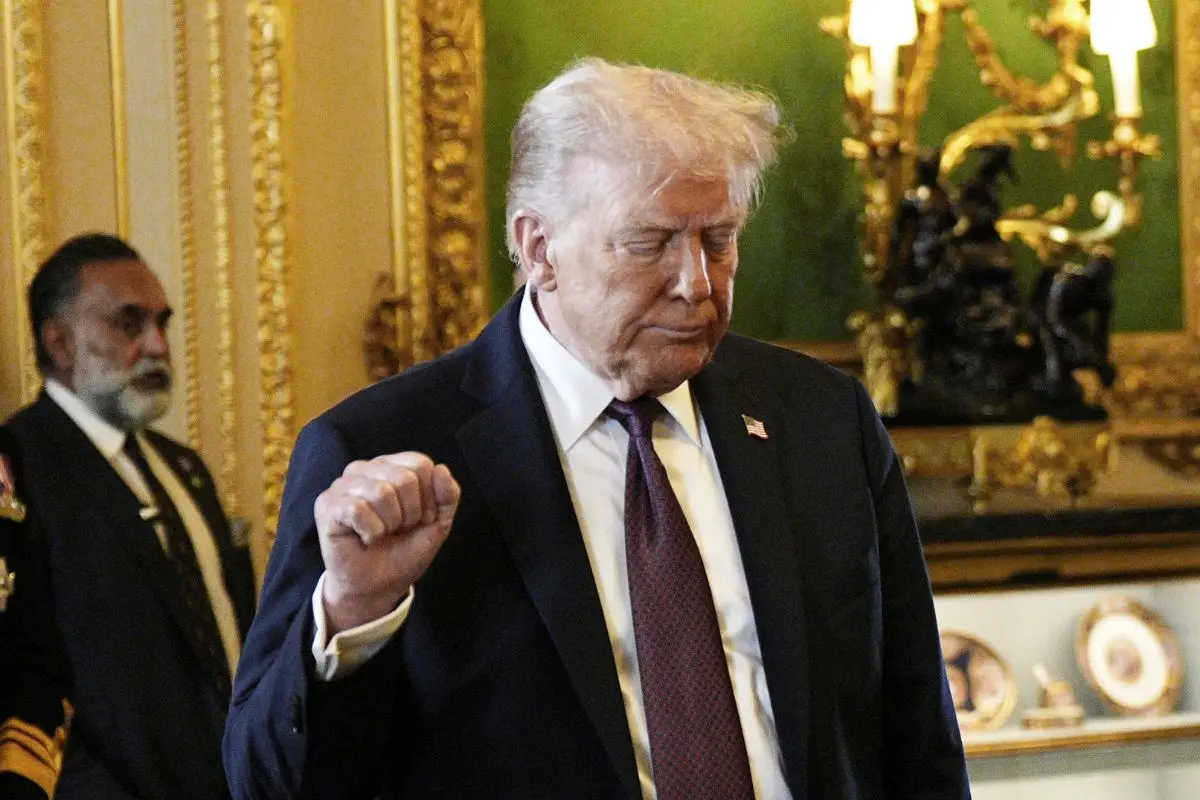
Washington: President Donald Trump announced early Thursday that he plans to designate antifa as a “major terrorist organisation,” a move that raises legal and procedural questions given antifa’s decentralised nature. Antifa, short for "anti-fascists," is an umbrella term for loosely affiliated far-left militant groups rather than a single entity, and traditionally confronts neo-Nazis and white supremacists at demonstrations.
In his social media post, Trump described antifa as a “SICK, DANGEROUS, RADICAL LEFT DISASTER” and said he would strongly recommend investigations into those financially supporting antifa. The White House has yet to clarify how it would pursue the designation for a domestic movement without a hierarchical structure. Historically, only foreign organisations like ISIS or al-Qaida are listed as terrorist entities by the State Department—allowing for prosecution over material support—while no domestic equivalent exists due to broad First Amendment protections.
Asked in the Oval Office earlier this week, Trump said a domestic terrorism designation for antifa would require backing from Attorney General Pam Bondi and other Cabinet members. “It’s something I would do, yeah,” Trump said. “I would do that 100%. Antifa is terrible.” The move drew praise from Republican Senators such as Bill Cassidy, who noted, “Antifa seized upon a movement of legitimate grievances to promote violence and anarchy, working against justice for all.” Cassidy and Ted Cruz previously introduced Senate resolutions condemning antifa’s actions as domestic terrorism.
Trump’s FBI director during his first term, Christopher Wray, previously classified antifa as an ideology rather than an organisation—one without the structure typically required for a terrorism designation. Democratic critics have responded that the move is an attempt to use recent violence, such as the killing of right-leaning activist Charlie Kirk, as a pretext for silencing dissent or targeting political adversaries.
With inputs from AP