Why Trump mocking global warming amid a climate-fuelled US winter storm is wrong
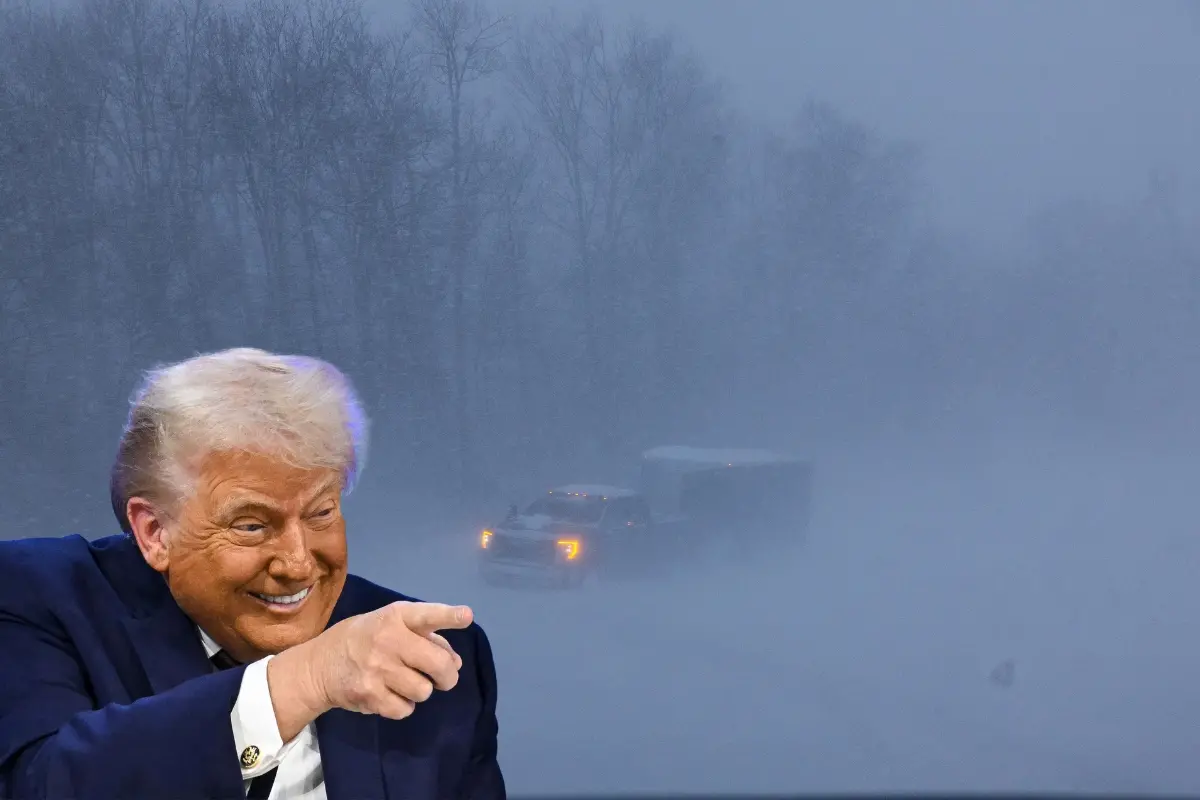
Washinton DC: The United States is bracing for a major winter storm, dubbed Winter Storm Fern, that is forecast to bring heavy snow, ice and dangerously low temperatures across much of the country, triggering states of emergency in more than a dozen states and leaving over 230 million Americans under weather alerts.
Amid these extreme conditions, President Donald Trump sparked renewed debate by mocking global warming on social media as evidence against long‑term climate change—a claim climate scientists say is misleading because short‑term cold weather does not contradict the broader trend of rising global temperatures
Forecasters warn the winter storm could affect more than 230 million people, with at least 14 states and Washington, D.C. declaring states of emergency ahead of the storm. Authorities have raised concerns over dangerously low temperatures, prolonged power outages and severe travel disruptions.
Trump questions global warming amid cold wave
As the storm approached, President Donald Trump took to social media to question the existence of global warming, pointing to forecasts that nearly 40 states would experience extreme cold. His comments echoed his long-held scepticism of climate change and contrasted sharply with scientific warnings about long-term global warming trends.
Scientists explain weather versus climate
Climate experts have stressed that short-term weather events do not disprove climate change. Scientists explain that seasons occur due to the Earth’s axial tilt and that climate change refers to long-term global temperature patterns rather than individual storms or cold spells. While cold weather events continue to occur, global average temperatures have been rising over time.
Also read: Daily school assembly headlines for 24 January 2026: Major national, international and sports news
Can climate change intensify winter storms?
Research shows that climate change is leading to shorter and milder winters on average, while increasing the intensity and frequency of extreme events such as heatwaves, floods, droughts and hurricanes. Some scientists suggest winter storms may also become more intense, though this remains an area of ongoing scientific debate. What experts broadly agree on is that warmer air holds more moisture, which can result in heavier precipitation, including snow, during winter storms.
Travel chaos and emergency warnings
The storm has already caused widespread disruption, with more than 1,500 flights delayed or cancelled across the United States, affecting major airports including Dallas, Atlanta and Oklahoma City. Around 160 million people are under winter storm or cold weather watches and warnings as the system advances across the eastern two-thirds of the country.
Trump’s climate record and policy stance
Trump’s remarks align with his previous record on climate policy. He has repeatedly dismissed climate change concerns, withdrew the United States from the Paris Agreement during his first term and again at the start of his second term in 2025, and has promoted expanded oil and gas production while rolling back clean energy initiatives.
Long-term climate data contradict scepticism
Data from the National Oceanic and Atmospheric Administration (NOAA) shows that recent years remain among the warmest on record globally, with the 10 warmest years all occurring since 2015. Scientists also point to long-term warming trends in parts of the eastern United States, even as occasional extreme cold events occur due to atmospheric patterns such as disruptions in the polar vortex.