Trade war returns? Trump’s tariff deadline ends, India faces 25% copper duty
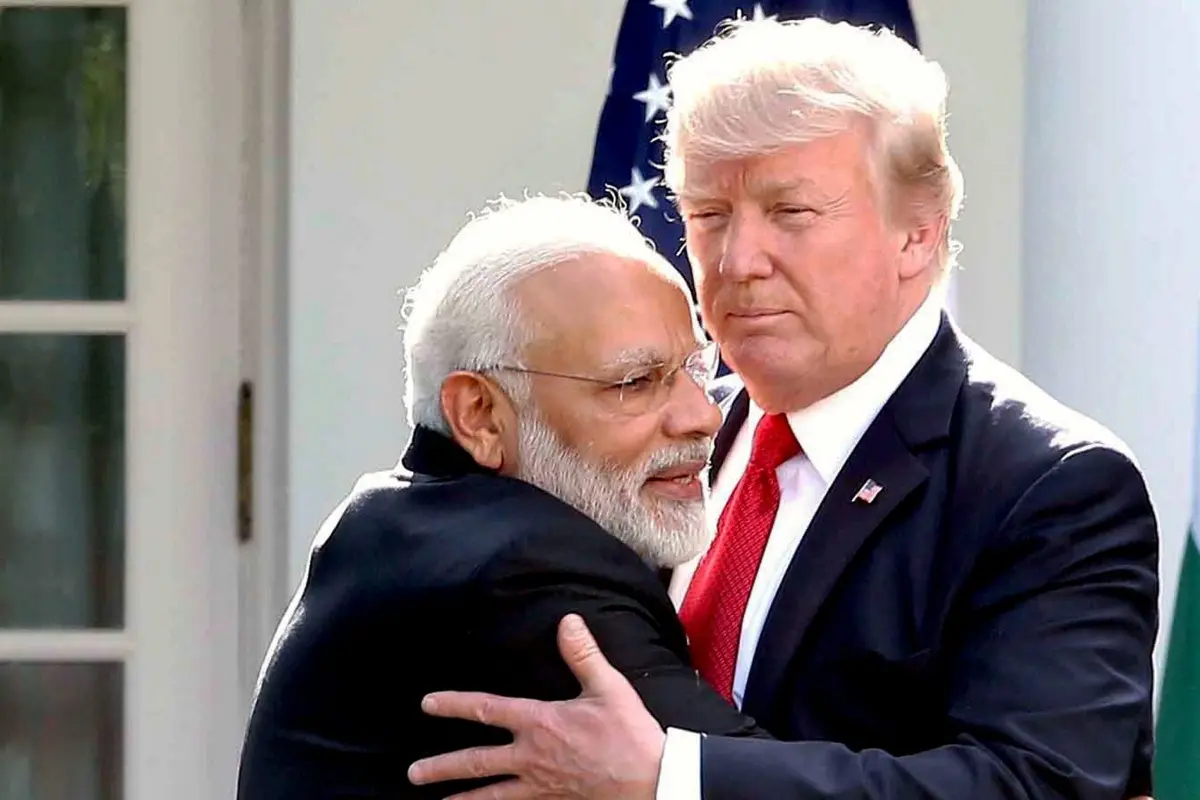
Washington DC: With President Donald Trump’s August 1 deadline for new import tariffs nearing, several countries have struck last-minute deals with the US — but major partners like India face steep duties starting tomorrow.
As the United States prepares to activate sweeping new import tariffs from August 1, President Donald Trump has confirmed deals with multiple countries, but left others exposed to punitive taxes. The policy, launched under the banner “90 deals in 90 days”, aimed to push global partners into rebalancing trade relations with the US.
Here’s where things stand:
- India: India will be hit with a 25% tariff on its exports to the US starting August 1, with an additional, unspecified penalty still under consideration. Washington cited India’s defence dealings with Russia and high trade barriers as key factors. India has said it will protect its national interests.
- South Korea: A major deal was signed on July 30. South Korea agreed to buy $100 billion in American energy and invest $350 billion in the US, in exchange for a reduced 15% tariff rate on its goods.
- Japan: Japan finalised its deal on July 22. In return for a 15% tariff (down from a planned 25%), Japan will invest $550 billion in the US and open markets to American rice and vehicles.
- European Union: A framework deal was struck with tariffs of 15% on 70% of EU goods. Pharmaceuticals and chips are exempt. Future talks will cover the remaining sectors.
- Pakistan: The US and Pakistan have agreed to co-develop oil fields. Trump even floated the idea that Pakistan might supply oil to India someday.
- Indonesia: Tariffs on Indonesian goods will be 19%, while the US will enjoy duty-free access for 99% of its exports.
- Vietnam: Vietnamese goods will face a 20% tariff and a steep 40% penalty on transshipped products. US goods now enter Vietnam duty-free.
- Philippines: Tariffs were cut slightly to 19%. The Philippines won’t tax American exports in return.
- Brazil: The US imposed a 50% tariff on Brazilian goods using emergency national security powers. Trump cited instability and “unfair surplus” as reasons.
- United Kingdom: The UK was partially spared from a broader 50% steel and aluminium tariff. On May 8, Trump reduced the burden on British auto and steel sectors.
- China: An earlier deal in May saw China avoid 145% tariffs, settling at 30% instead. Beijing promised to ease rare earth restrictions and allow more US acquisitions. Fresh talks are underway to avoid further hikes from August 12.
Tariffs Overview
In April 2025, President Trump announced broad import taxes on most foreign goods, citing the need for reciprocal trade and U.S. national security. Initial tariffs were paused for 90 days to allow countries time to negotiate, with a stated goal of reaching “90 deals in 90 days.” But by late July, only a few concrete deals had been made.
Key Trade Developments (as of July 31, 2025)
India
A 25% tariff on Indian goods begins August 1, plus an unspecified penalty.
Cited reasons: India’s defense ties with Russia, high tariffs, and trade barriers.
India’s government is reviewing the impact and promises to act in the national interest.
Pakistan
The US and Pakistan have agreed to jointly develop Pakistan’s oil reserves.
Trump suggested this could lead to Pakistan selling oil to India someday.
South Korea
A deal was reached on July 30.
US to impose 15% tariffs; South Korea agreed to buy $100 billion in U.S. energy and invest $350 billion in U.S. projects
European Union
A framework deal imposes 15% tariffs on 70% of EU goods.
Strategic items like pharmaceuticals and semiconductors to face zero tariffs.
EU commits to large energy imports and future negotiations on remaining goods.
Japan
A new 15% tariff deal was reached on July 22, replacing a planned 25%.
Japan pledges $550 billion in U.S. investments and market access for U.S. rice and autos.
Brazil
Trump signed an order for 50% tariffs on Brazilian goods, citing political instability.
Brazil previously had a trade surplus with the U.S., but Trump invoked a 1977 emergency law.
Philippines
Tariffs reduced slightly to 19%, down from 20%.
The US won’t pay tariffs on goods it exports to the Philippines.
Indonesia
Trump lowered planned tariffs to 19% on Indonesian goods.
In return, over 99% of U.S. exports to Indonesia will be duty-free.
Vietnam
A deal from July 2 allows duty-free entry for U.S. goods into Vietnam.
Vietnamese goods face a 20% tariff, plus a 40% tax on transshipping.
United Kingdom
On May 8, the U.S. agreed to reduce tariffs on British steel, autos, and aluminium.
The UK gets partial exemption from the new 50% steel/aluminium tariff, but still faces 25%.
China
Originally facing 145% U.S. tariffs, a deal in May scaled them down to 30%.
China agreed to ease restrictions on rare earths and allow U.S. business acquisitions.
Ongoing negotiations aim to delay an August 12 escalation.
New Copper Tariffs Announced
On July 30, Trump imposed a 50% tariff on copper pipes, tubes, and wiring. The policy does not cover raw copper materials like cathodes or concentrates. This selective tariff caused U.S. copper prices to drop sharply, disappointing U.S. miners but benefiting foreign producers like Chile and Peru.
What Happens Next?
With the August 1 deadline only hours away, countries still negotiating with the U.S. risk facing high tariffs if no deals are signed. While Trump says he's open to continued discussions, he has stressed that tariffs will be enforced unless firm agreements are reached.