Trump administration declassifies massive Martin Luther King Jr assassination files
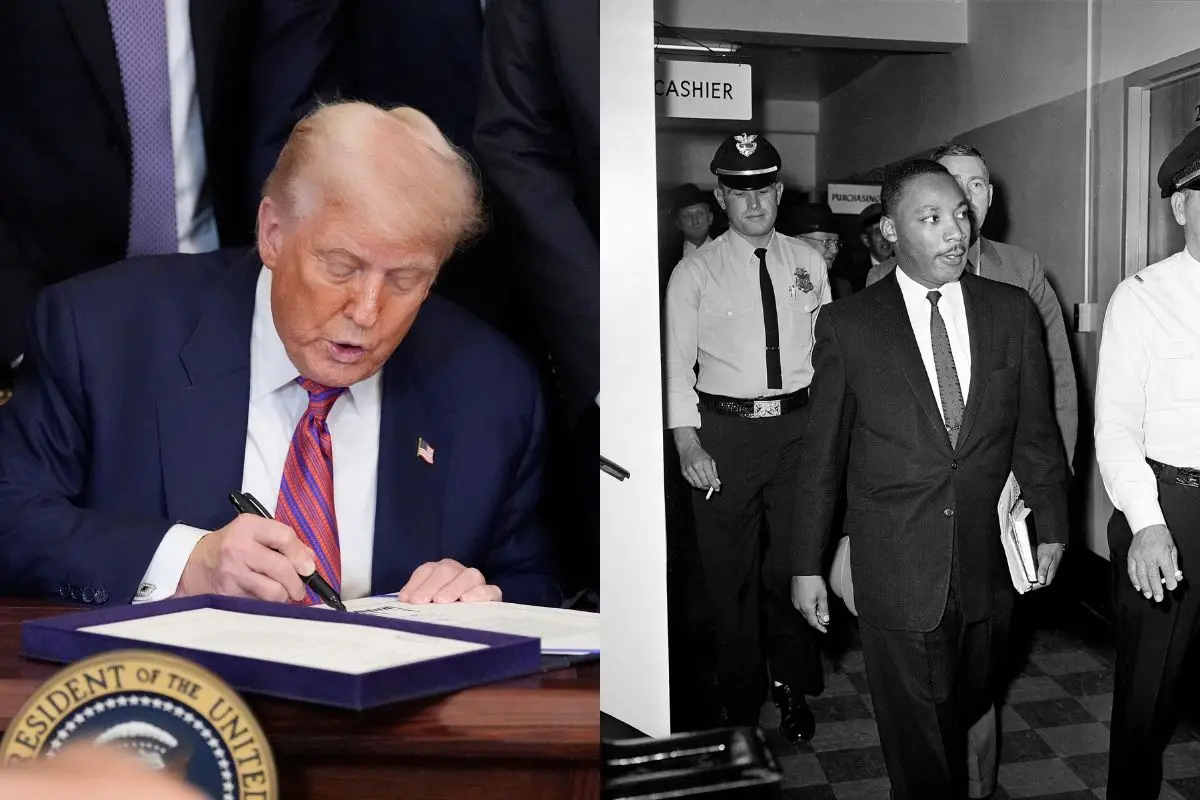
Washington: U.S. President Donald Trump's Director of National Intelligence, Tulsi Gabbard, has announced the release of over 230,000 pages of previously classified documents related to the 1968 assassination of civil rights leader Martin Luther King Jr. (MLK). This move comes after nearly six decades of public questions and scrutiny surrounding the assassination.
Gabbard, who was sworn in as DNI on February 12, 2025, shared on social media platform X that the newly released documents include detailed insights into the FBI's investigation, potential leads, internal FBI memos on the case's progress, and information from James Earl Ray's former cellmate, who reportedly discussed an alleged assassination plot with Ray. The files also contain foreign evidence from a Canadian police department and CIA records related to the international manhunt for Ray.
The declassification follows an executive order signed by President Trump on January 23, 2025, just three days after he took office, which mandated the release of remaining files concerning the assassinations of former President John F. Kennedy, his brother Robert F. Kennedy, and MLK. While over 240,000 pages of FBI records related to MLK's assassination were gathered and sealed from public viewing by a 1977 court order, they have since been held in the National Archives and Records Administration.
King's family, including his two living children, Martin III and Bernice, were informed of the Trump administration's decision and had their own teams reviewing the records. However, some members of the family expressed opposition to the public release of the documents, citing the deeply personal nature of their father's death and concerns that the files emerged from an "invasive, predatory, and deeply disturbing disinformation and surveillance campaign" orchestrated by then-FBI director J. Edgar Hoover.
Martin Luther King Jr. remains a towering figure in American history, celebrated for his nonviolent activism against racial segregation and inequality, and his iconic "I Have a Dream" speech. The release of these documents is expected to shed further light on a pivotal and tragic event in American history.
With inputs from IANS