Trump threatens 200% tariffs on France, shares Macron’s private messages
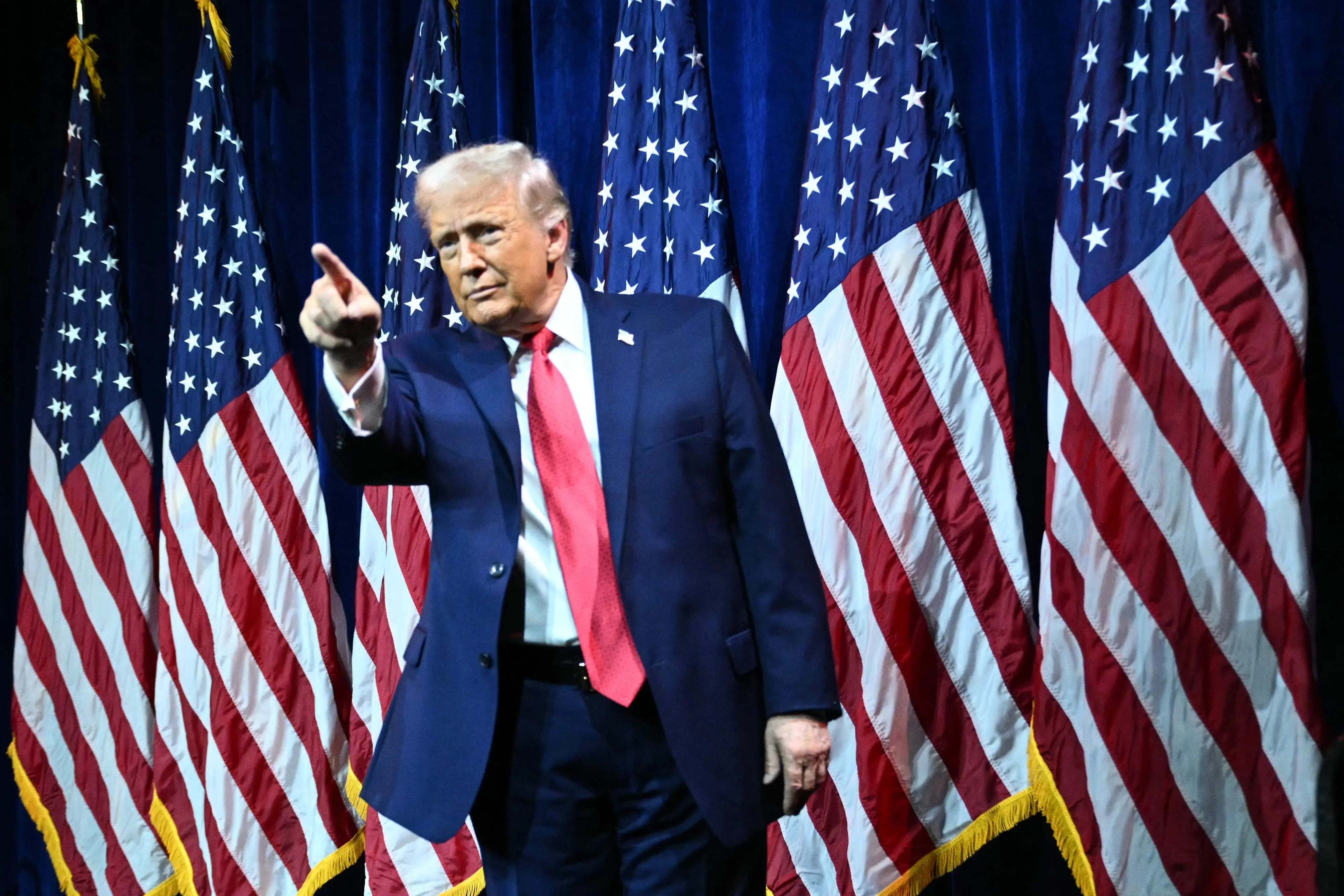
In a dramatic escalation of US –France tensions, US President Donald Trump vowed to impose a staggering 200% tariff on French wine and champagne, accusing French President Emmanuel Macron of snubbing his diplomatic efforts and refusing to join a new international initiative he is promoting.
Trump’s announcement, made on social media platform Truth Social and amplified by his public remarks, signals a sharp turn in US –European relations, as the Republican leader seeks to leverage economic pressure to secure political cooperation.
The punitive tariff threat targets two of France’s most iconic exports – wine and champagne – and is intended to compel Macron to participate in Trump’s newly proposed “Board of Peace.”
According to the US president’s comments, the board is envisioned as a global framework for addressing conflicts ranging from the Gaza crisis to broader geopolitical disputes.
Trump insisted that if France does not join voluntarily, it could face severe trade penalties, though he maintained that Macron “doesn’t have to join” if he chooses not to.
In a further provocative move, Trump publicly shared a private message allegedly sent by Macron, in which the French leader acknowledged some strategic alignments on issues such as Iran and Syria but expressed puzzlement over Trump’s approach on unrelated matters like Greenland.
The disclosure of this private communication drew further criticism from European diplomats, who see it as a breach of diplomatic norms.
Macron’s office has indicated that France will decline the invitation at this time, choosing instead to focus on its own foreign policy priorities and longstanding alliances.
European officials have reacted cautiously but firmly, with some warning that such tariff threats could undermine trust between NATO partners and complicate cooperation on shared security challenges.
The situation unfolds against a backdrop of broader disagreements between the United States and its European allies, especially over Trump’s controversial interest in Greenland and his demands that European nations align with US strategic priorities.
Recent threats of tariffs on other European countries over their resistance to Trump’s Greenland ambitions have further strained transatlantic ties.
Economic experts warn that imposing such extreme tariffs could have ripple effects throughout global markets, particularly in the wine and luxury goods sectors.
French wine producers and exporters could suffer under a 200% levy, with higher prices passed onto consumers and potential retaliation from the European Union. Critics argue that using trade policy to force political compliance could set a dangerous precedent in international diplomacy.
As both sides brace for intensified diplomatic negotiations, analysts expect this dispute to shape US –EU relations well beyond the current crisis, with potential implications for trade policies, multilateral cooperation, and geopolitical alliances in the coming months.