The double life of Rex Heuermann: How an architect became America's most feared serial killer
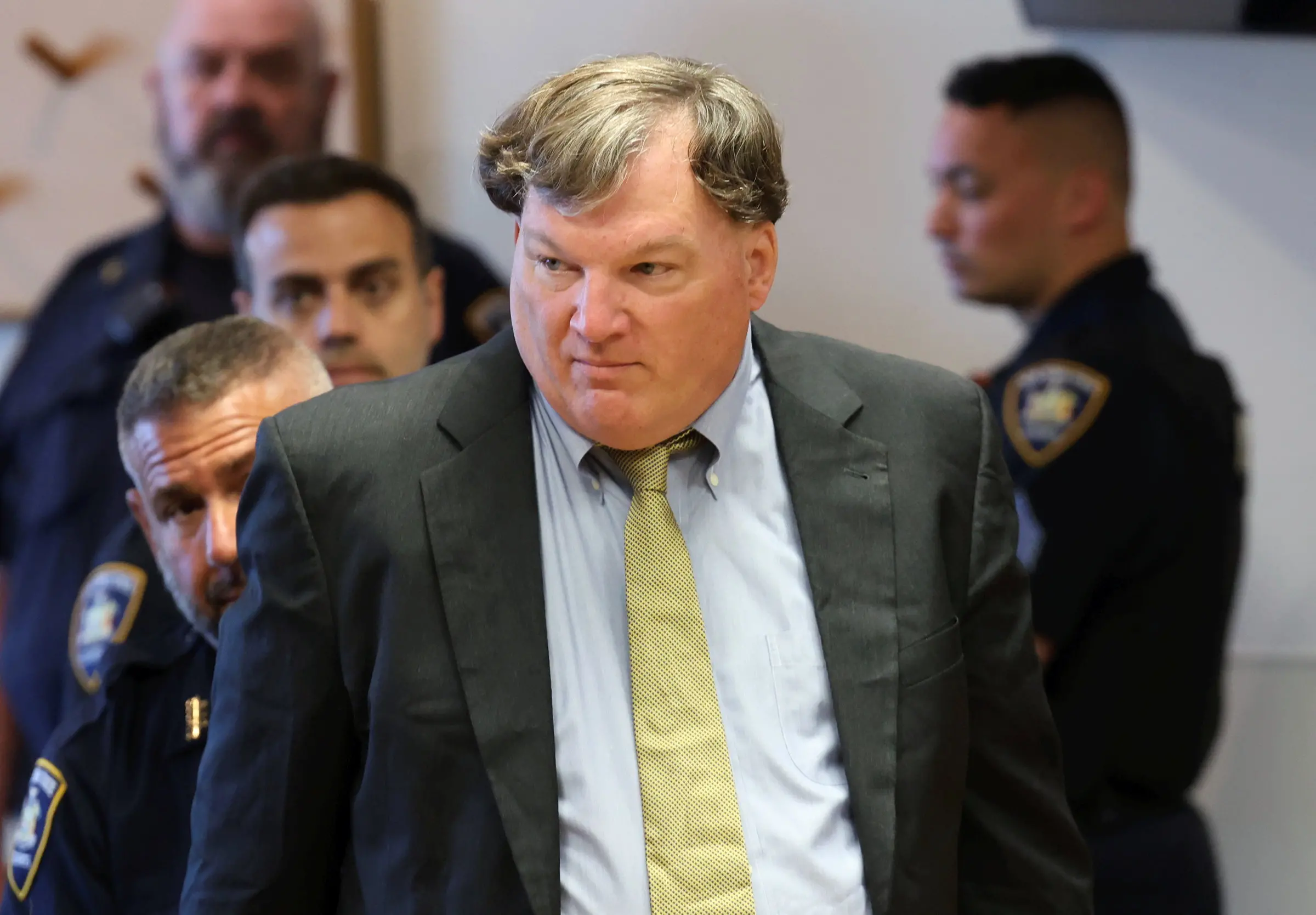
For years, Rex Heuermann appeared to live an ordinary suburban life.
A licensed architect, husband and father from Long Island, New York, Heuermann spent decades building a professional career while maintaining the image of a quiet family man. To neighbours and colleagues, he seemed unremarkable. But prosecutors say behind that facade was one of America’s most notorious serial killers.
On June 17, 2026, the 62-year-old was sentenced to life in prison without parole after pleading guilty to murdering seven women and admitting responsibility for an eighth killing linked to the infamous Gilgo Beach murders.
The sentencing marked the end of a case that had haunted investigators, victims’ families and the public for more than a decade.
A Double Life
Heuermann operated an architectural consulting firm in Manhattan and lived in Massapequa Park on Long Island. Authorities say he carefully concealed a violent secret life while continuing to work, raise a family and interact normally with clients and neighbours.
Investigators later described him as methodical and calculating. Court documents revealed that he targeted vulnerable women, many of whom were sex workers, and took extensive steps to avoid detection.
His modus operandi (MO) involved meticulously pre-planning his crimes, targeting sex workers, using disposable burner phones to arrange meetings, and restraining and strangling his victims. He primarily disposed of their bodies in remote, brush-heavy areas along Long Island’s Ocean Parkway and Manorville, utilising camouflage and specific packaging to avoid detection.
After his arrest in July 2023, investigators uncovered what prosecutors called a “blueprint” for murder on his computer. The files allegedly contained detailed checklists about reducing evidence, controlling crime scenes and disposing of bodies.
Despite the horrific nature of the crimes, his defence lawyer later said Heuermann appeared “as normal as they come” during conversations and could even be charismatic.
The Gilgo Beach Mystery
The Gilgo Beach investigation began in 2010 when police searching for missing sex worker Shannan Gilbert discovered human remains along Ocean Parkway on Long Island.
What followed was one of the largest serial killer investigations in New York history.
Over the years, investigators identified multiple victims whose remains had been scattered across Long Island. Many of the women had disappeared between 2000 and 2010.
The case remained unsolved for more than a decade before a renewed task force investigation in 2022 helped crack the mystery.
Detectives linked Heuermann to a Chevrolet Avalanche seen near one victim before her disappearance. They also used cellphone location records and DNA evidence, including genetic material recovered from a discarded pizza crust, to connect him to the killings.
The Victims
Heuermann pleaded guilty to the murders of Melissa Barthelemy, Maureen Brainard-Barnes, Amber Lynn Costello, Sandra Costilla, Valerie Mack, Jessica Taylor and Megan Waterman.
He also admitted to killing Karen Vergata, whose remains were discovered years before investigators were able to identify her through advanced DNA testing.
Many of the victims were young women trying to support themselves and their families. Relatives repeatedly stressed that they were more than the circumstances that made them vulnerable.
“A Million Years Isn’t Enough”
The most emotional moments came during sentencing, when family members finally confronted the man responsible for their loved ones’ deaths.
“There are no words I can say,” Heuermann told the court. “The words I would say would have no meaning.”
The apology did little to soften the anger in the courtroom.
“A million years isn’t enough,” said Violet Swager, cousin of victim Jessica Taylor.
Amanda Funderburg, sister of Melissa Barthelemy, recalled receiving taunting phone calls from Heuermann after her sister vanished and told him: “I hope you suffer.”
JoAnn Mack, mother of Valerie Mack, reminded the court that her daughter “had dreams, and you took them all away from her.”
Judge Timothy Mazzei was equally unsparing, calling Heuermann “a despicable man” and “a coward.”
Outside the courthouse, Megan Waterman’s daughter Liliana, who was just three years old when her mother disappeared, reflected on the moment she had waited her entire life to see.
“She can finally rest in peace,” she said. “He can’t hurt anybody else.”