Domestic abuse legalised? Inside Taliban’s new criminal code in Afghanistan
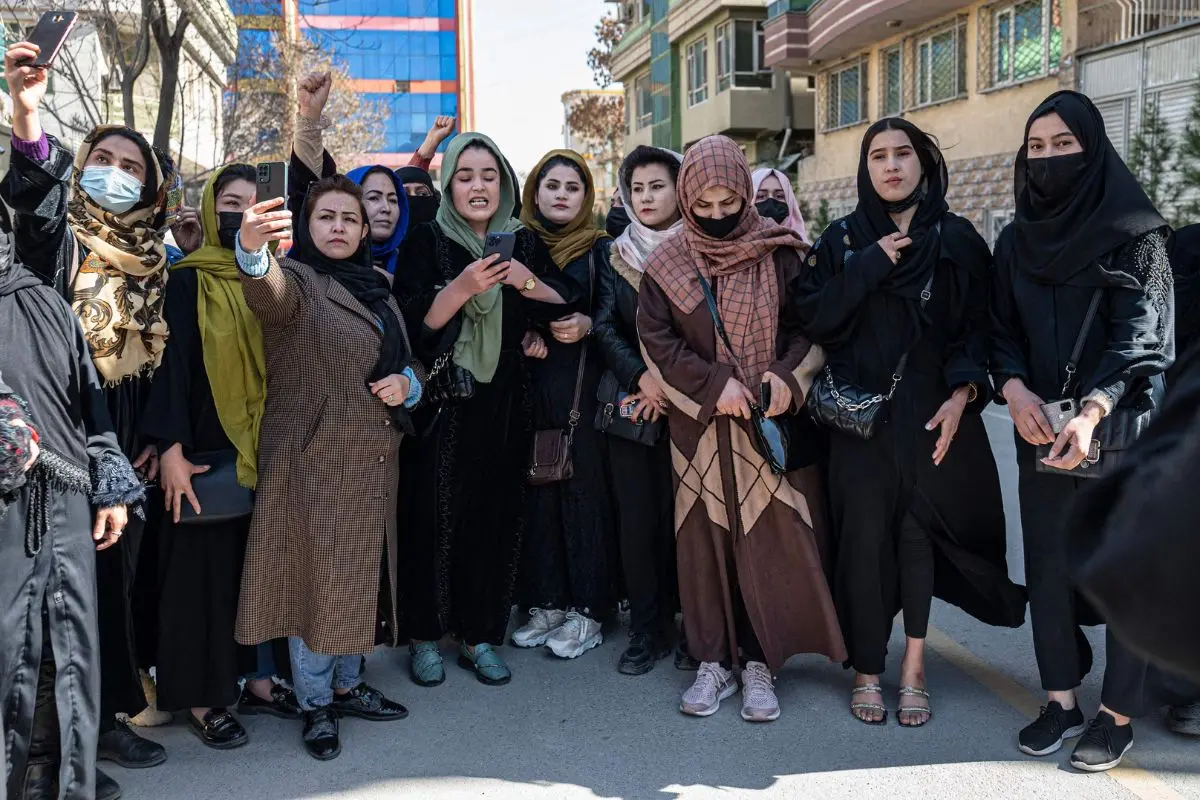
Kabul: Afghanistan’s Taliban authorities have approved a controversial new criminal code that permits husbands and fathers to physically punish their wives and children, as long as the violence does not cause “broken bones or open wounds,” according to various reports.
The 90-page document, titled 'De Mahakumu Jazaai Osulnama' (Criminal Procedure Code for Courts) and written in Pashto, has been cleared by Taliban Supreme Leader Hibatullah Akhundzada. The code has been circulated to courts nationwide but has not been made publicly available.
Domestic violence legally permitted
Under Article 32, husbands and fathers can beat wives and children within limits. Assaults causing visible fractures or injuries carry a maximum prison sentence of 15 days. Women seeking justice must present their injuries to a judge while fully covered and accompanied by a male guardian, who may even be the accused.
Article 34 allows imprisonment of up to three months for a married woman who visits her parents without her husband’s permission. Article 9 introduces class-based distinctions in justice, limiting the rights of women and lower social groups.
Class-based justice system
The code divides Afghan society into four tiers, with punishments dependent on social status rather than the severity of the offence:
- Mullahs (religious clerics): Exempted from physical punishment; may receive advice or warnings.
- Tribal elders: May face court summons and advisory measures.
- Middle class: Subject to “standard imprisonment,” though the term is undefined.
- Lowest tier: Can face imprisonment and corporal punishment, including public flogging.
Replacing the 2009 EVAW law
The new code replaces the 2009 Elimination of Violence Against Women (EVAW) law under former president Hamid Karzai, which criminalised violence against women, including forced marriage, sexual assault, physical abuse, burning, intimidation, and forced prostitution. The 2009 law allowed short-term imprisonment even for assaults without visible injuries and explicitly prohibited violence in homes, public spaces, and institutions.
Global condemnation
International human rights groups have strongly criticised the new code. Reem Alsalem, UN Special Rapporteur on violence against women, described the code’s implications as “terrifying” and called for its immediate repeal. Human rights organisations have urged the Taliban to restore legal protections for women and end institutionalised domestic violence.