Taiwan detects Chinese military incursions as Beijing's new law sparks concerns
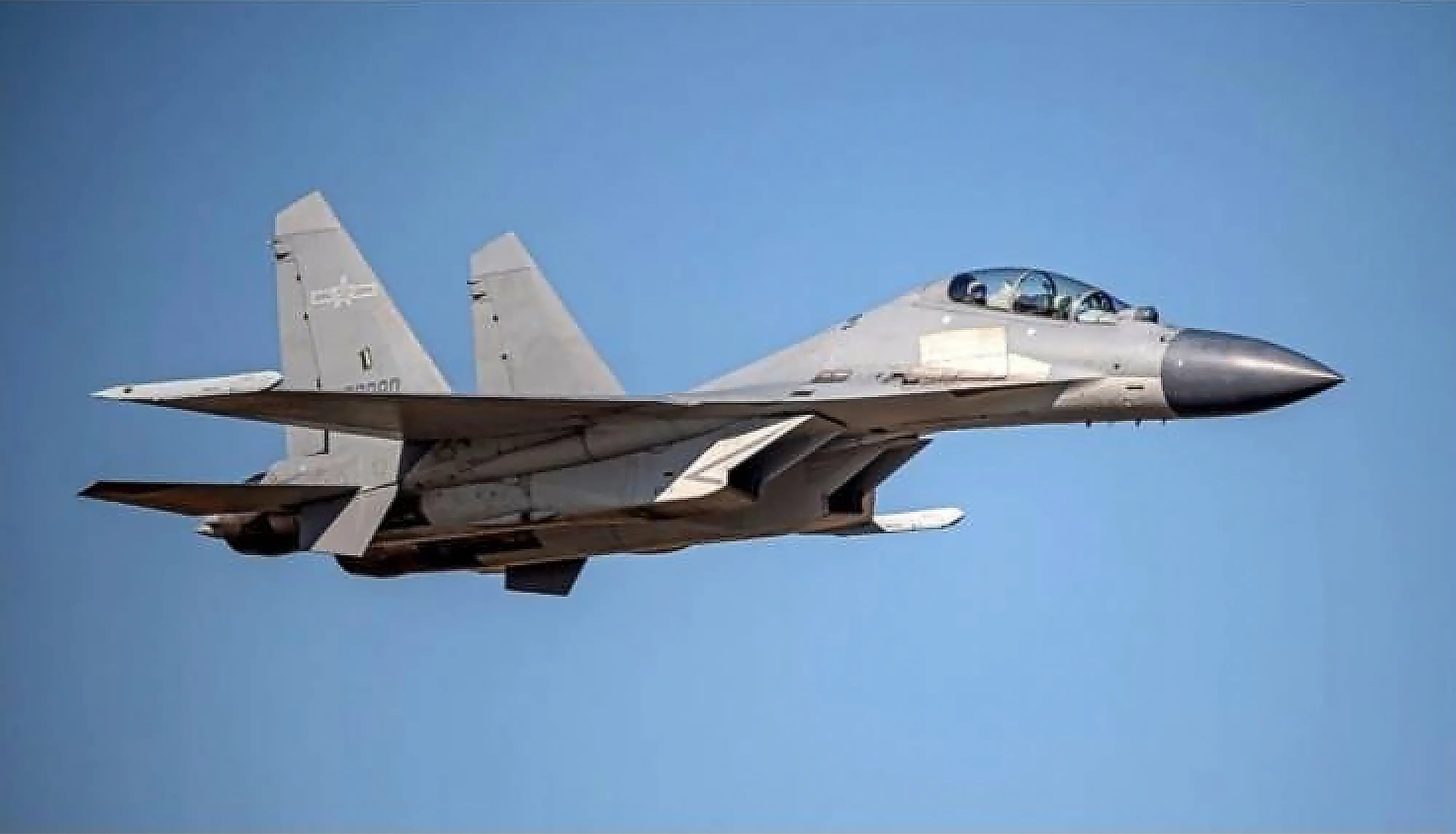
Taipei: Taiwan's Ministry of National Defence (MND) on Friday said it detected two sorties of Chinese military aircraft and six naval vessels operating around the island as of 6 am (local time).
According to the MND, both Chinese aircraft entered Taiwan's southwestern Air Defence Identification Zone (ADIZ), prompting the armed forces to closely monitor the activity.
2 sorties of PLA aircraft and 6 PLAN vessels operating around Taiwan detected up until 6 a.m. (UTC+8) today. 2 out of 2 sorties entered Taiwan’s and southwestern part ADIZ. #ROCArmedForces have monitored the situation and responded. pic.twitter.com/J1YTcA6HHV
— 國防部 Ministry of National Defense, ROC(Taiwan) 🇹🇼 (@MoNDefense) June 26, 2026
Earlier on Thursday, Taiwan detected 14 sorties of Chinese military aircraft, six naval vessels and two official ships operating around the island. Of the 14 aircraft, 10 crossed the median line of the Taiwan Strait and entered Taiwan's northern and southwestern Air Defence Identification Zone (ADIZ).
14 sorties of PLA aircraft, 6 PLAN vessels and 2 official ships operating around Taiwan detected up until 6 a.m. (UTC+8) today. 10 out of 14 sorties crossed the median line and entered Taiwan’s northern and southwestern part ADIZ. #ROCArmedForces have monitored the situation and… pic.twitter.com/7kmG4yyazf
— 國防部 Ministry of National Defense, ROC(Taiwan) 🇹🇼 (@MoNDefense) June 25, 2026
The latest development comes amid China’s continued increase in military activity around Taiwan.
A conflict with complex historical and political underpinnings
China’s claim over Taiwan is a complex issue that is rooted in political, legal and historical arguments. Beijing maintains that Taiwan is an inseparable part of China, a position it says is backed by its national policy, domestic laws and international statements.
However, Taiwan operates with its own government, military and economic system. The island's political status remains a major international issue, raising questions related to sovereignty, self-determination and international law, according to the United Service Institution of India.
China traces its claim over Taiwan to 1683, when the Qing Dynasty annexed the island after defeating the forces of Ming loyalist Koxinga.
China’s new ethnic law sparks fear in Taiwan
Taiwanese academics, government officials and civic groups have expressed growing concern over China's newly enacted Ethnic Unity and Progress Promotion Law. They warned that its broad extraterritorial provisions could expose Taiwanese citizens to legal and political risks beyond China's borders, The Taipei Times reported.
The law, approved by China's National People's Congress in March, aims to strengthen what Beijing describes as a unified Chinese national identity, according to the report.
However, Article 63 allows the law to apply to organisations and individuals outside China accused of undermining ethnic unity or promoting separatism. This aspect has sparked concerns about its potential reach beyond the country's borders.
Shen Yu-chung, the Deputy Minister of Taiwan’s Mainland Affairs Council, said shortly after the adoption of the law that even though the legislation appears to focus on China’s ethnic minorities, its references to national unity and reunification could easily be interpreted to target cross-Strait relations.
Meanwhile, Taiwan Alliance, a coalition of pro-Taiwan civic groups, strongly criticised the legislation, describing it as "a tool for transnational repression," as reported by The Taipei Times.
With Agency inputs