Supreme Court blocks Trump tariffs, shaking US–China trade talks
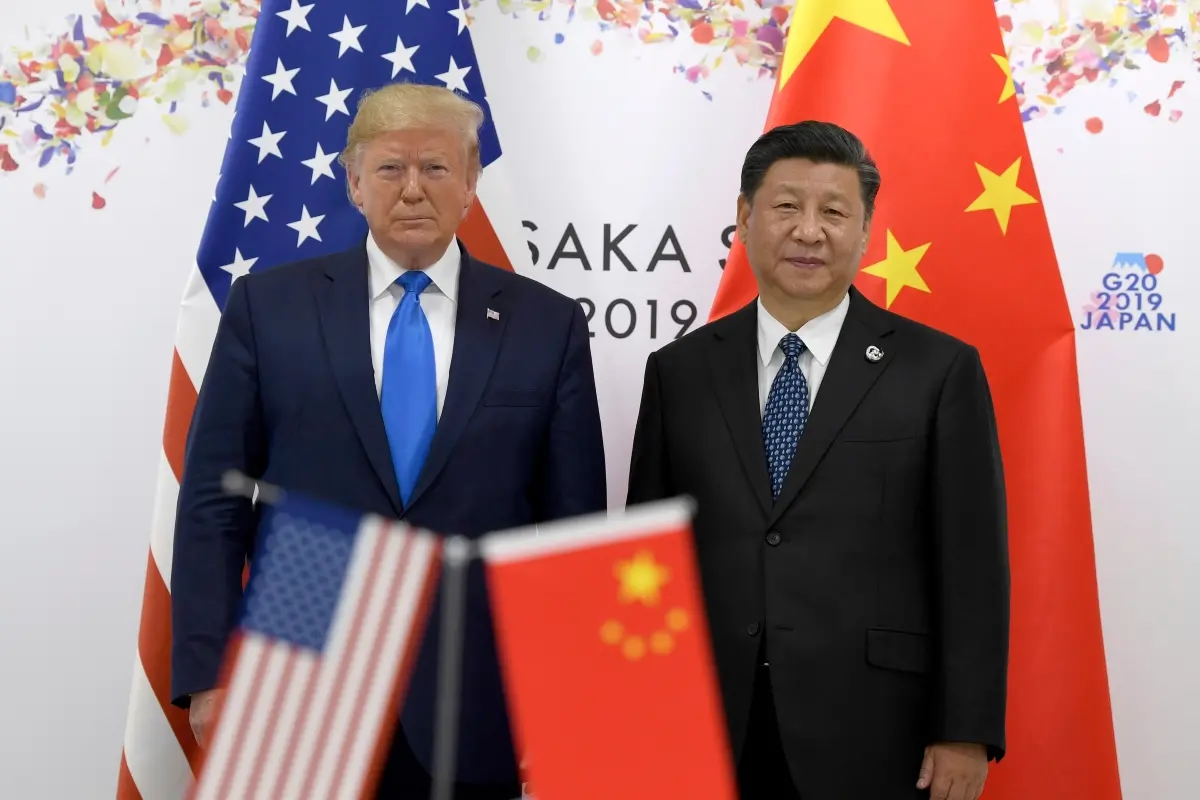
Washington DC: A recent decision by the Supreme Court of the United States to invalidate broad tariffs imposed by Donald Trump has added complexity to already fragile trade negotiations between the United States and China.
The ruling, delivered on Friday, comes as both countries attempt to maintain a one-year trade truce aimed at preventing escalation into a full-scale trade war that could disrupt the global economy. Analysts say the judgment may strengthen China’s negotiating position but caution that Beijing is unlikely to aggressively exploit the decision.
Trump responded by announcing a temporary 10% global tariff, later increasing it to 15%, and signalled that alternative legal mechanisms could be used to impose import duties. He has repeatedly argued that tariffs are necessary to address China’s trade surplus and broader economic competition.
The White House has confirmed that Trump will travel to China from March 31 to April 2 for talks with Chinese President Xi Jinping. Observers expect both sides to prioritise stability during the visit, given the fragile nature of current trade arrangements.
The tariff dispute has been a central issue in US–China relations. Earlier, Trump invoked emergency powers to impose a 20% tariff on Chinese goods, later expanding reciprocal tariffs to 34%. Beijing responded with retaliatory measures, leading to a sharp escalation before both sides agreed to reduce baseline tariffs to 10% under a one-year truce.
The decision also introduces uncertainty for US allies in Asia, including Japan, which has been monitoring the evolving trade dynamics closely. Market participants are assessing whether the US administration will pursue alternative trade laws to reinstate tariffs if necessary.
Experts note that the Office of the US Trade Representative is currently reviewing China’s compliance with previous trade agreements. If violations are identified, existing trade laws could provide another route for tariff enforcement.
Despite the legal setback, analysts suggest that both Washington and Beijing are seeking to avoid renewed escalation. China has reiterated that tariff and trade wars serve neither country’s interests and called for greater stability in economic cooperation.
The coming weeks are expected to clarify whether the Supreme Court ruling leads to substantive policy changes or becomes part of a broader negotiating strategy ahead of the planned summit.