How a distant war is affecting homes, jobs and fuel across Asia
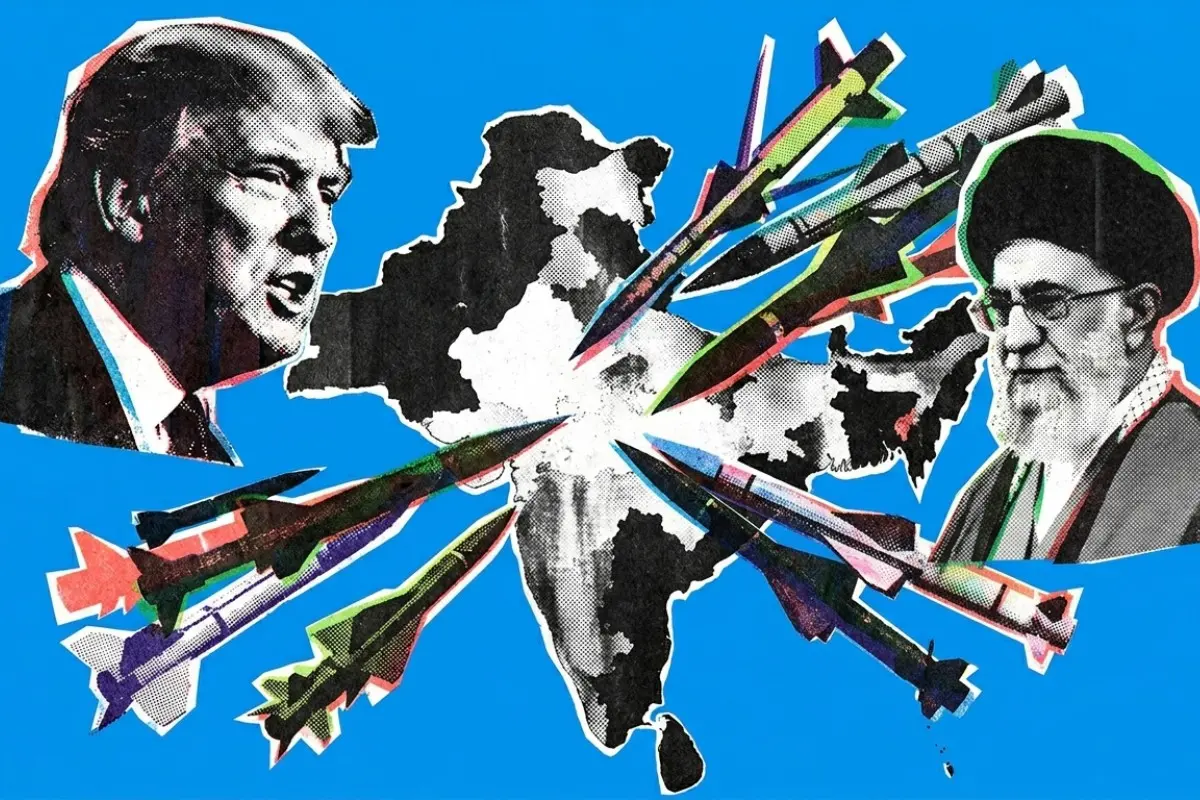
With the Strait of Hormuz effectively disrupted for over 37 days, the flow of oil, gas and essential goods has been significantly affected, triggering a chain reaction across the region. From fuel shortages and rising prices to factory shutdowns and shifts in daily life, countries heavily dependent on this critical route are now grappling with the fallout.
Why the Strait of Hormuz matters
The Strait of Hormuz is one of the world’s most important energy corridors. Around 20 percent of global oil supplies pass through this narrow stretch of water, and a staggering 90 percent of that volume is destined for Asian countries. With the route effectively compromised due to the ongoing conflict, supplies of oil, gas and other essential shipments have been severely affected.
This disruption has translated into real-world challenges for countries that depend heavily on imports from the region, leading to shortages, price spikes and lifestyle adjustments.
India: From kitchen shortages to industrial shutdowns
In India, the consequences are being felt both at home and across key industries. Nearly 60 percent of the country’s LPG demand is met through imports, and about 90 percent of these supplies pass through the Strait of Hormuz. As a result, households are experiencing delays in cylinder deliveries, with long queues forming outside LPG distribution centres.
READ MORE: Why is Lebanon stuck between Israel and Hezbollah
The hospitality sector has also been hit. In cities such as Bengaluru, several hotels and restaurants have partially shut down operations over the past month due to supply constraints.
Industrial activity has not been spared either. In Gujarat’s industrial clusters, ceramic manufacturing units have been forced to halt operations owing to a shortage of industrial gases. This disruption has affected close to 4,00,000 workers and has had a cascading impact on related sectors such as packaging and printing.
Sri Lanka: Fuel anxiety returns
Sri Lanka, still recovering from its 2022 economic crisis, is once again facing energy-related stress. Fuel shortages have led to long queues at petrol stations, with workers losing valuable income as they wait for supplies.
In response, authorities have reduced the number of working days and even declared Wednesdays as a public holiday in an attempt to conserve fuel and manage demand.
Pakistan: Rising prices and controlled activity
Pakistan appears to be among the hardest hit. As the country attempts to play a mediating role between Washington and Tehran, it is simultaneously grappling with soaring fuel prices that have reached record levels.
Prime Minister Shahbaz Sharif has announced a ‘smart lockdown’ to curb energy use. Under these measures, shopping centres and malls must shut by 8 pm nationwide, except in Sindh province.
Additionally, bakeries, restaurants, tandoors and food outlets are required to close by 10 pm. The same deadline applies to marriage halls, marquees and other venues used for wedding functions.
South East Asia: Daily life adjustments
Countries in South East Asia are also facing mounting pressure as the crisis deepens.
Thailand: Authorities have urged citizens to limit air conditioner temperatures to between 26 and 27 degrees Celsius and adopt fuel-saving habits. Government offices and businesses have also been encouraged to implement work-from-home arrangements.
Myanmar: Officials have introduced alternative fuel policies for private vehicles. As a result, many people are reorganising their daily routines based on fuel availability, while concerns about black marketing continue to grow.
South Korea and Japan: Unusual shortages emerge
In South Korea and Japan, the crisis has taken an unexpected turn. Shortages of plastic bags have become a pressing issue due to disruptions in the supply of naptha, a crude oil derivative.
Naptha is widely used in essential applications, including waste disposal, medical supplies and packaging, making it a crucial component of everyday life in these countries.
In South Korea, the situation has even prompted authorities to advise citizens to reduce the frequency of bathing, as the energy required to heat water largely depends on imports from the Middle East.