Why is South African President Cyril Ramaphosa facing impeachment calls?
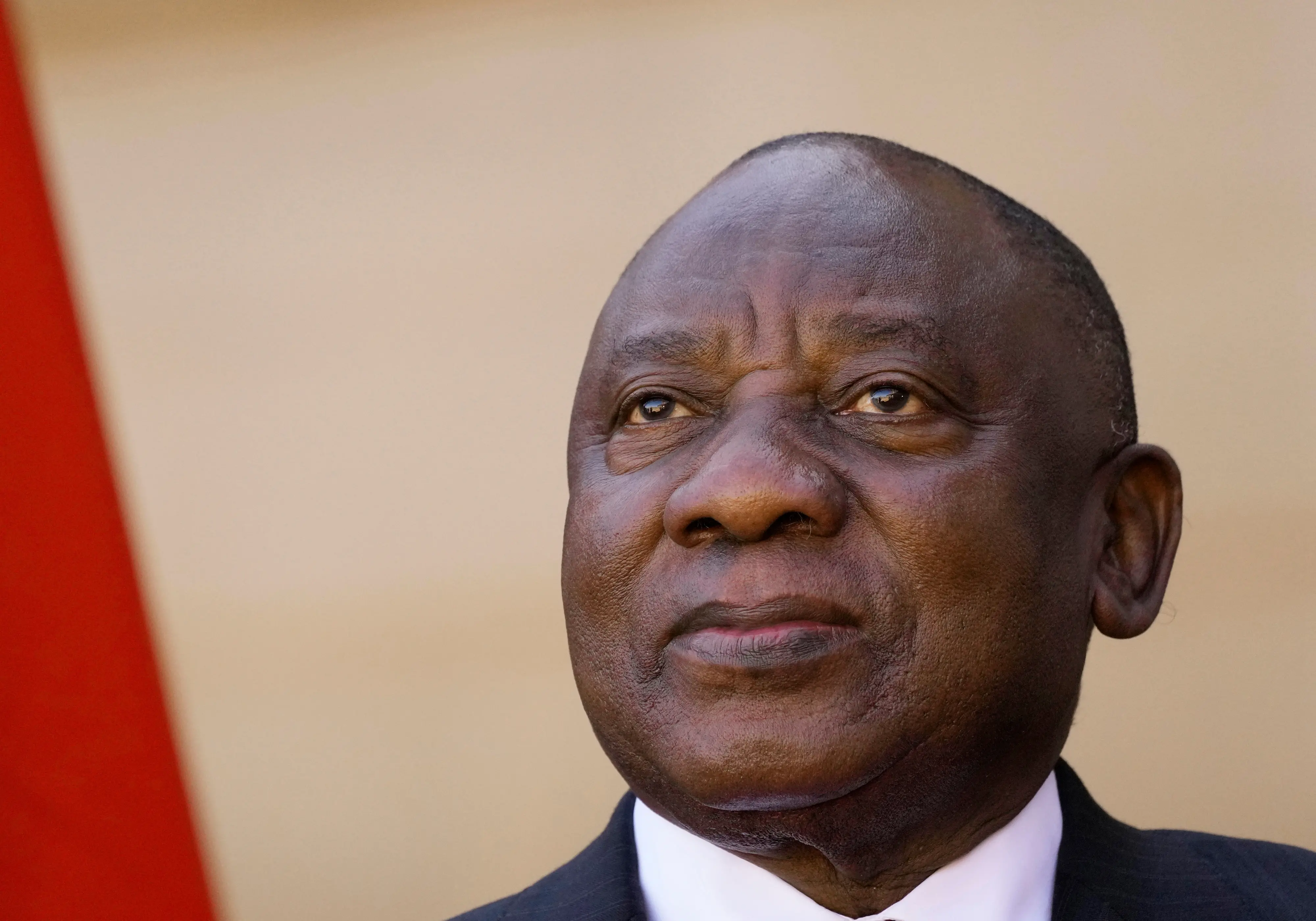
South African President Cyril Ramaphosa is confronting renewed impeachment pressure after the country’s Constitutional Court ruled that Parliament acted unlawfully when it blocked an inquiry into allegations surrounding a large sum of foreign currency stolen from his private game farm.
In a national broadcast, Ramaphosa made clear he intends to stay in office despite growing political turbulence and fresh demands for his resignation. “While there have been calls in some circles that I should resign, nothing in the Constitutional Court judgment compels me to resign my office,” he said. Later in the same address, he added, “I remain here and am not resigning.”
The scandal, widely referred to as “Farmgate”, has resurfaced at a sensitive moment for the African National Congress (ANC), which is already under pressure ahead of municipal elections later this year. Analysts warn the renewed scrutiny could deepen the political strain on the governing party, which has struggled to maintain public trust.
The Phala Phala scandal: What happened?
The controversy centres on a 2020 incident in which thieves broke into Ramaphosa’s Phala Phala game farm and allegedly stole large quantities of cash hidden in a piece of furniture. The president has said about $580,000 was taken, insisting it was legitimate income from the sale of buffalo. A former intelligence official, however, claimed the missing amount was significantly higher, around $4 million.
The episode has raised questions about how the money entered the country, whether it was properly declared and why such a large sum was tucked away in a sofa rather than kept in a bank. Although the South African Reserve Bank later concluded Ramaphosa had not breached exchange-control rules, the political fallout has persisted.
Ramaphosa has repeatedly rejected allegations of wrongdoing. In his address on Monday, he insisted: “Since a criminal complaint was laid against me in June 2022, I have consistently maintained that I have not stolen public money, committed any crime, nor violated my oath of office.”
Court ruling reopens impeachment process
In 2022, the ANC used its majority to halt an impeachment attempt based on the findings of an independent panel chaired by former Constitutional Court judge Sandile Ngcobo. That panel had concluded there was prima facie evidence suggesting Ramaphosa may have violated constitutional obligations in connection with the farm incident.
Last week, the Constitutional Court ruled that Parliament’s decision to block the inquiry was unconstitutional. The judgment effectively revives the Section 89 impeachment process and requires the National Assembly to reconsider the panel’s report.
National Assembly Speaker Thoko Didiza has confirmed that Parliament will comply with the ruling and restart the proceedings. She said she would outline timelines, committee structure and procedural requirements in due course.
Ramaphosa plans to challenge the report
Although he says he accepts the Constitutional Court’s ruling, Ramaphosa has announced he will contest the panel’s original findings in the courts. He argues the conclusions were legally unsound and relied on “hearsay evidence.”
He told the nation that, from the beginning, he had “committed to cooperating with all competent institutions,” and vowed that such cooperation would continue. But he reiterated his disagreement with the panel’s reasoning, saying that “no evidence, let alone sufficient evidence,” had been produced to support claims of misconduct.
Political stakes for the ANC
The ANC has called an urgent meeting of its National Executive Committee to decide how to handle the crisis. Analysts say the timing could hardly be worse for the party, which has faced declining support and struggled in the 2024 election.
Independent analyst Daniel Silke said, “The timing couldn’t really be worse ... from an ANC perspective,” noting that the revived scandal may sap voter confidence ahead of upcoming municipal polls.
Despite the pressure, experts believe Ramaphosa is unlikely to be removed. An impeachment vote requires a two-thirds majority in Parliament. Even though the ANC no longer holds an outright majority, it retains around 40% of seats, enough to block removal if most party lawmakers close ranks behind him.
No-confidence motion also on the table
Former president Jacob Zuma’s new party, uMkhonto weSizwe, has requested that the National Assembly schedule a vote of no confidence in Ramaphosa. Such a motion requires only a simple majority to pass. However, analysts say it is also expected to fall short, since the ANC and important coalition partners, including the Democratic Alliance, would likely back the president.
Professor Richard Calland, a political analyst, said Ramaphosa would “likely survive a parliamentary vote,” noting that the president’s legal challenge may be aimed at avoiding the damaging optics of a full impeachment inquiry.
What happens next?
The National Assembly must now restart the impeachment-related process as ordered by the Constitutional Court. A committee will be tasked with assessing the independent panel report and determining whether Ramaphosa should face formal impeachment proceedings.
While the president appears politically secure for now, the revived inquiry ensures the Phala Phala saga will continue to haunt his administration. Ramaphosa insists he intends to keep serving the country: “I fully intend to continue serving the people of South Africa and to advance their interests.”
(With IANS inputs)