Pakistan's foreign debt: Saudi loans cheaper than Chinese, commercial borrowing
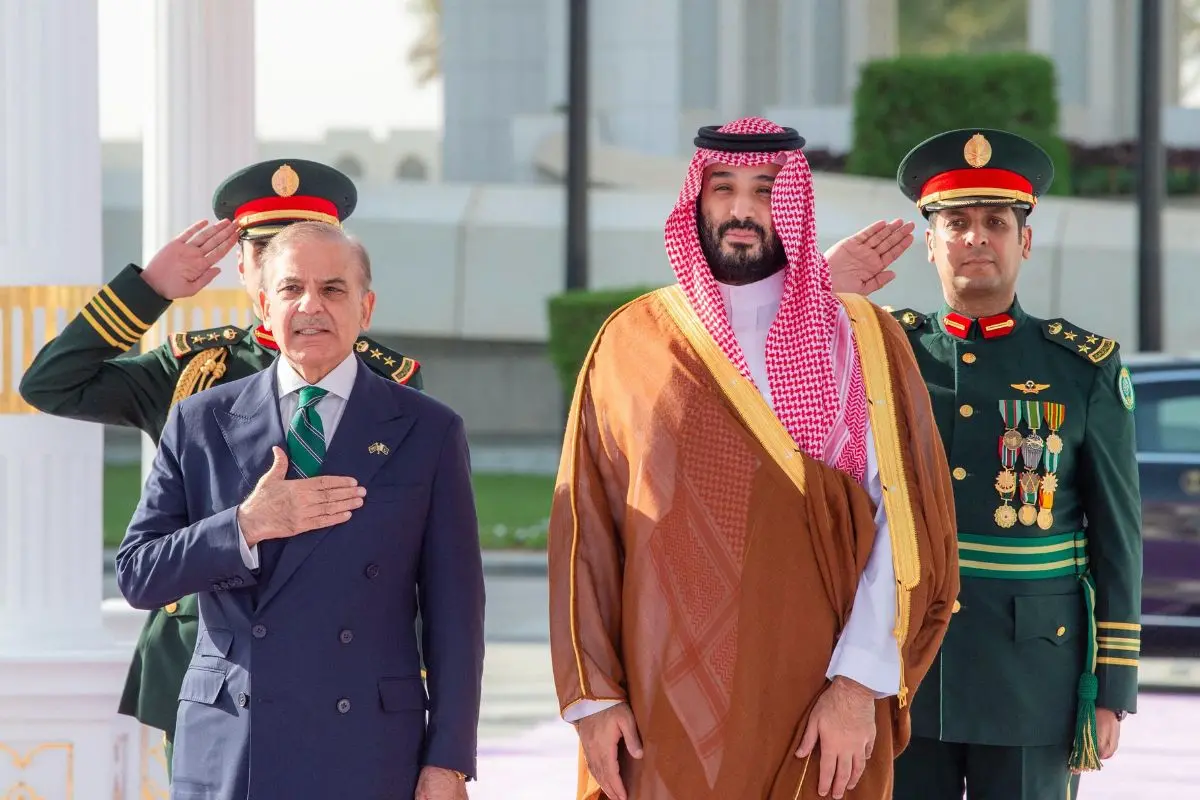
Islamabad: Saudi Arabia continues to be Pakistan’s primary source of affordable foreign loans, charging an annual interest rate of just 4 per cent, according to a media report on Sunday. Riyadh extended two separate cash deposit facilities to Islamabad in recent years at this low interest rate. Originally contracted for one year, the loans have been repeatedly rolled over without additional costs, easing Pakistan’s debt servicing burden significantly.
These Saudi loans are approximately one-third cheaper than similar loans from China and less than half the cost of foreign commercial borrowing. A USD 2 billion Saudi cash deposit facility is set to mature in December, with the Ministry of Finance planning to renew it. Another USD 3 billion Saudi loan, obtained to cover financing gaps under the IMF programme, will mature in June next year.
Pakistan’s IMF agreement requires its three key bilateral creditors—Saudi Arabia, China, and the United Arab Emirates—to maintain their cash deposits until the IMF programme concludes. Together, these countries have provided USD 12 billion in deposits, which form the bulk of Pakistan’s central bank foreign exchange reserves of USD 14.3 billion.
However, IMF programmes have become less effective in supporting Pakistan. The central bank had to buy over USD 8 billion from the local market to meet maturing debt obligations despite the IMF package, leading the Finance Ministry to rely more on credit guarantees from multilateral banks to access international markets.
While Saudi loans maintain a 4 per cent interest rate, Pakistan pays around 6.1 per cent on four other cash deposit facilities totalling USD 4 billion. These are priced at the six-month Secured Overnight Financing Rate (SOFR) plus 1.72 per cent, significantly more expensive than Saudi deposits. Additionally, the USD 1.2 billion Saudi Oil facility carries a flat 6 per cent interest rate.
Chinese facilities, maturing between March and July next year, are expected to be rolled over in line with IMF conditions and Pakistan’s low foreign reserves. Among costly commercial loans is a USD 400 million six-month loan from Standard Chartered Bank at 8.2 per cent interest (six-month SOFR plus 3.9 per cent margin). United Bank Limited also arranged a USD 300 million ten-month loan at 7.2 per cent (12-month SOFR plus 3.5 per cent).
The UAE initially provided a USD 2 billion loan to Pakistan at 3 per cent interest but extended its last USD 1 billion facility in 2024 at 6.5 per cent before the IMF deal. Pakistan also secured a USD 1 billion five-year commercial loan with a 7.22 per cent interest rate, despite partial guarantees from the Asian Development Bank.
Pakistan is also utilising Chinese commercial loans converted into yuan. The USD 2.1 billion Chinese facility is refinanced for three years at roughly 4.5 per cent interest. Other Chinese loans include a USD 300 million two-year loan at 6.5 per cent and a USD 200 million loan at 7.3 per cent interest. The Industrial and Commercial Bank of China provided a USD 1.3 billion loan at a flat 4.5 per cent rate.
This financing landscape highlights Pakistan’s dependence on favorably priced loans from Saudi Arabia and China amid rising costs of commercial borrowing. Saudi Arabia remains Pakistan's largest source of low-cost foreign loans, charging an annual interest rate of only 4 per cent, according to a recent report. Riyadh extended two separate cash deposit facilities to Islamabad at this rate, with the loans originally contracted for one year but rolled over annually without extra costs.
These Saudi loans are about one-third cheaper than Chinese cash deposits and less than half the cost of foreign commercial borrowing. A USD 2 billion Saudi cash deposit facility is set to mature in December, with Pakistan's Finance Ministry planning to renew it. Another USD 3 billion Saudi loan used to cover external financing gaps under the IMF programme will mature in June next year.
IMF conditions require Pakistan's three bilateral creditors—Saudi Arabia, China, and the UAE—to maintain their cash deposits until the program ends. Together, these countries have provided USD 12 billion in deposits, making up the bulk of Pakistan's central bank reserves of USD 14.3 billion.
Despite the IMF package, the central bank had to buy over USD 8 billion from the local market to meet maturing debts, leading the Finance Ministry to rely more on credit guarantees from multilateral banks to access global markets.
While Saudi loans carry a 4 per cent interest rate, Pakistan pays around 6.1 per cent on four cash deposits totalling USD 4 billion, priced at the six-month Secured Overnight Financing Rate (SOFR) plus 1.72 per cent. The Saudi Oil facility of USD 1.2 billion has a flat 6 per cent rate.
Chinese facilities maturing between March and July next year are also expected to be renewed under IMF guidelines amid low reserves. Among the costlier loans, Standard Chartered Bank provided a USD 400 million six-month loan at 8.2 per cent interest, and United Bank Limited arranged a USD 300 million ten-month loan at around 7.2 per cent interest.
The UAE initially extended a USD 2 billion loan at 3 per cent interest but increased rates to 6.5 per cent for its last USD 1 billion facility in 2024. Pakistan also secured a five-year USD 1 billion commercial loan at approximately 7.22 per cent, despite partial guarantees from the Asian Development Bank.
Pakistan also holds Chinese commercial loans converted into yuan, including a USD 2.1 billion three-year loan at roughly 4.5 per cent interest, a USD 300 million two-year loan at 6.5 per cent, and a USD 200 million loan at 7.3 per cent. The Industrial and Commercial Bank of China provided a USD 1.3 billion loan at a flat 4.5 per cent rate.
With inputs from PTI