From tariffs to more tariffs: 60 US Senators back move that could hit India with 100% duty
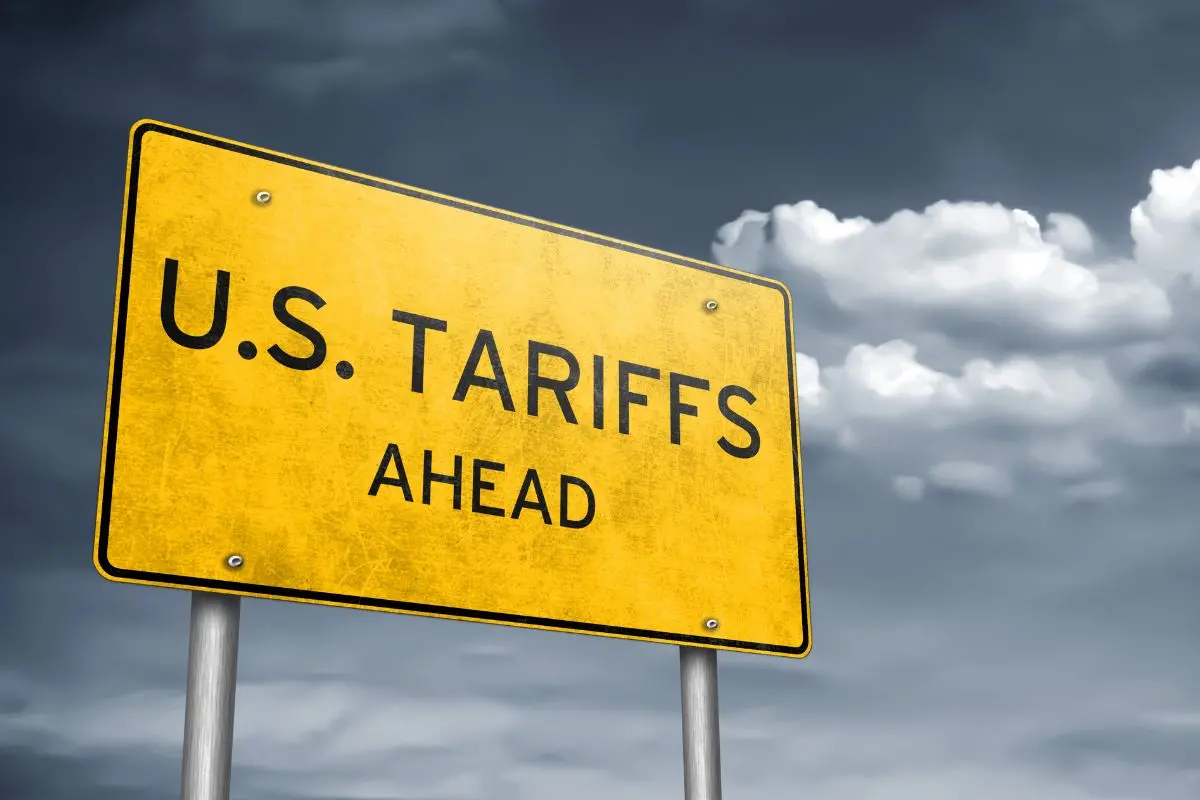
A bipartisan group of more than 60 US Senators has thrown its support behind the Sanctioning Russia Act of 2026, legislation that would authorise tariffs of up to 100 per cent on imports from countries that continue buying significant quantities of Russian oil and natural gas.
India is among the countries that could be affected if the bill becomes law, alongside China, Slovakia, Hungary and Azerbaijan.
The proposal, which has the backing of US President Donald Trump, is expected to be considered by Congress before August.
What the bill proposes
The proposed legislation would give the Trump administration the authority to impose tariffs of up to 100 per cent on the world's five largest purchasers of Russian crude oil or natural gas.
It also targets the five countries deemed to be the biggest facilitators of Russia's sanctions evasion.
Unlike an earlier proposal that suggested blanket tariffs of up to 500 per cent, the revised version narrows the scope to only the largest buyers and reduces the maximum tariff to 100 per cent.
The exact tariff rate would be determined by the Office of the United States Trade Representative (USTR).
Why India is on the list
India has significantly increased imports of discounted Russian crude since the Ukraine conflict began in 2022.
According to the Centre for Research on Energy and Clean Air, India's imports of Russian crude reached record levels in June 2026, accounting for approximately 36 per cent of Russia's oil exports by value.
This made India the second-largest buyer of Russian crude after China.
US lawmakers argue that reducing purchases of Russian energy would limit Moscow's revenues and increase pressure over the war in Ukraine.
Exemptions and presidential waiver
The bill contains several important exemptions.
Countries whose Russian natural gas imports account for less than 15 per cent of Russia's total gas exports and are actively reducing those purchases may qualify for exemptions.
The legislation also exempts US imports of low-enriched uranium used in American nuclear reactors.
In addition, the bill gives the US President the authority to waive tariffs and sanctions if doing so is considered to be in the national interest, provided Congress is formally notified.
Backed by senior US lawmakers
The legislation has received broad bipartisan support, including backing from Senate Majority Leader John Thune, Senate Foreign Relations Committee Chairman Jim Risch, Senator Richard Blumenthal, and more than 60 lawmakers.
Supporters say the measure is designed to further restrict Russia's ability to finance its war in Ukraine by targeting countries whose energy purchases contribute to Russian export revenues.
What happens next?
The bill must still pass both the US Senate and the House of Representatives before it can be signed into law by President Trump.
If enacted, it could become a significant new factor in India-US trade relations, particularly as New Delhi continues to maintain that its purchases of Russian crude are based on energy security and national economic interests.
India has consistently stated that its energy procurement decisions are guided by affordability, supply security and national interest while complying with applicable international obligations.