Putin targets Nestle and Auchan: Why Russia has taken control of their assets
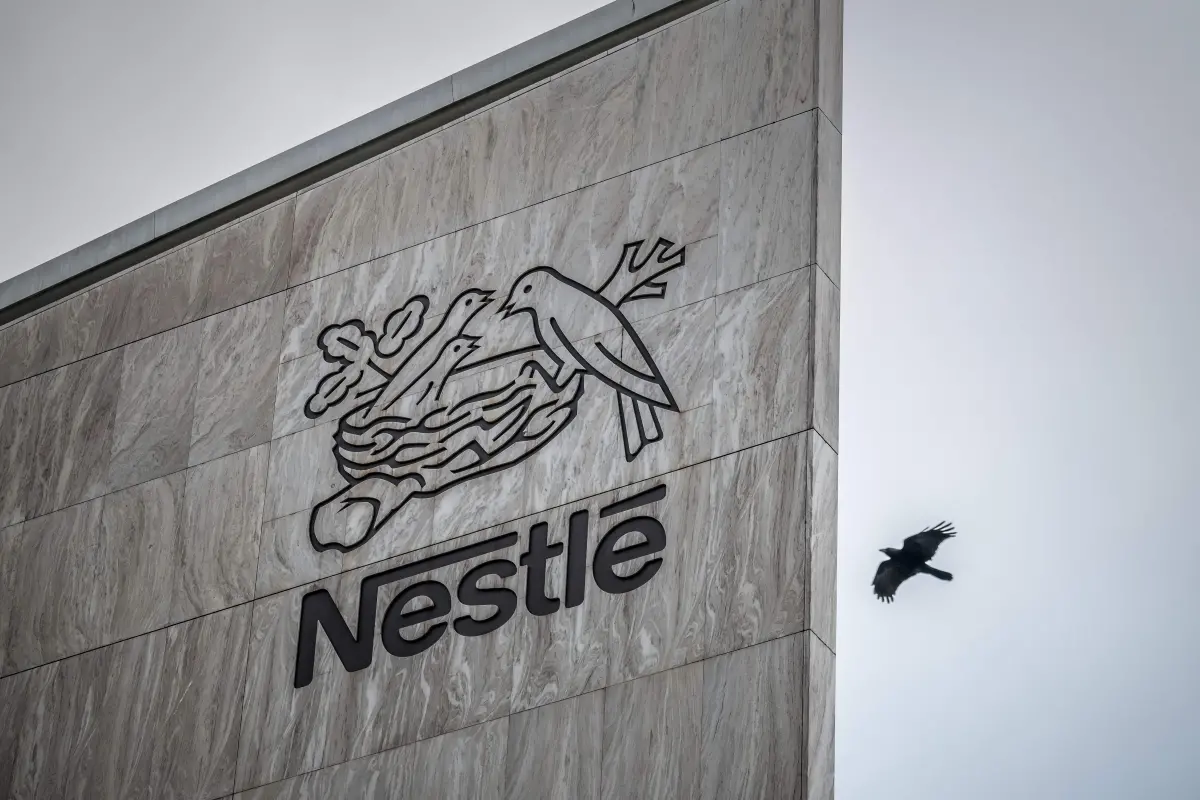
Russia has placed the local operations of Nestle, Auchan and other French companies under temporary administration, raising the prospect of forced sales or permanent state control of the businesses.
Russian President Vladimir Putin has signed a decree transferring the Russian operations of Swiss food company Nestle, French retailer Auchan, home-improvement chain Lemana Pro, formerly Leroy Merlin, and logistics company FM Logistic to a temporary administrator called LEV Management.
The move is part of Russia's broader policy towards assets belonging to companies from countries it considers "unfriendly" following the invasion of Ukraine in 2022.
Nestle said it was assessing the situation and would take the necessary steps to protect its rights and business interests. Auchan's Russian subsidiary said it had requested clarification from the authorities.
France has condemned the move and called on Moscow to reverse the decision.
What does Nestle have in Russia?
Nestle has operated in Russia since the 1990s and runs six factories producing products including coffee, pet food, infant nutrition and confectionery.
The company employs around 7,000 people in Russia. The country represents slightly more than 1% of Nestle's global sales, according to estimates cited by Reuters.
Since Russia's full-scale invasion of Ukraine, Nestle has suspended most sales, non-essential imports, advertising and capital investment in the country while continuing to supply essential food products.
Auchan's Russian business
Auchan has maintained a substantial presence in Russia despite the war.
Its Russian operation has more than 200 stores and tens of thousands of employees, making it one of the larger foreign retail businesses still operating in the country.
Unlike many Western companies, Auchan did not fully exit Russia after the 2022 invasion.
The decree now places its Russian operations under the control of LEV Management.
Russia introduced the temporary-administration mechanism in 2023 through a presidential decree targeting assets owned by companies from countries designated as "unfriendly".
Under the system, ownership does not formally change immediately. Instead, a state-appointed administrator takes control of the assets and their operations.
In previous cases, temporary administration has been followed by the sale of businesses to Russian buyers.
Why does the move matter?
The action increases uncertainty for Western companies that have retained operations in Russia.
Analysts cited by Reuters said temporary administration has previously preceded forced sales or effective expropriation. Danone and Carlsberg are among the companies whose Russian businesses were taken under temporary control before being sold to Russian buyers.
For Nestle, the potential financial impact is limited by the relatively small contribution of its Russian business to global sales, although analysts cited by Malay Mail estimated that a write-off of the Russian operations and unrepatriated funds could cost the company around 1 billion Swiss francs.
Nestle shares fell 2.6% in Zurich following the announcement.
Russia's broader policy towards foreign assets
Since the Ukraine war began, Moscow has introduced increasingly restrictive rules for Western companies seeking to leave Russia.
Companies from countries designated as unfriendly generally require government approval to sell Russian assets and can face mandatory discounts, exit taxes and other conditions.
The Kremlin has also used temporary administration to take control of foreign-owned businesses.
The latest move therefore fits into an established pattern of Russian intervention in the assets of Western companies that have remained in the country.
Nestle is assessing its legal and commercial options, while Auchan has requested clarification from Russian authorities.
France has called for the decision to be reversed.
The key question is whether temporary administration remains in place or eventually leads to a sale or permanent transfer of the companies' Russian assets.
The decree does not by itself establish that ownership has permanently changed. The future status of the businesses will depend on subsequent decisions by Russian authorities.