Russian firm develops ‘biodrone’ pigeons controlled by brain implants
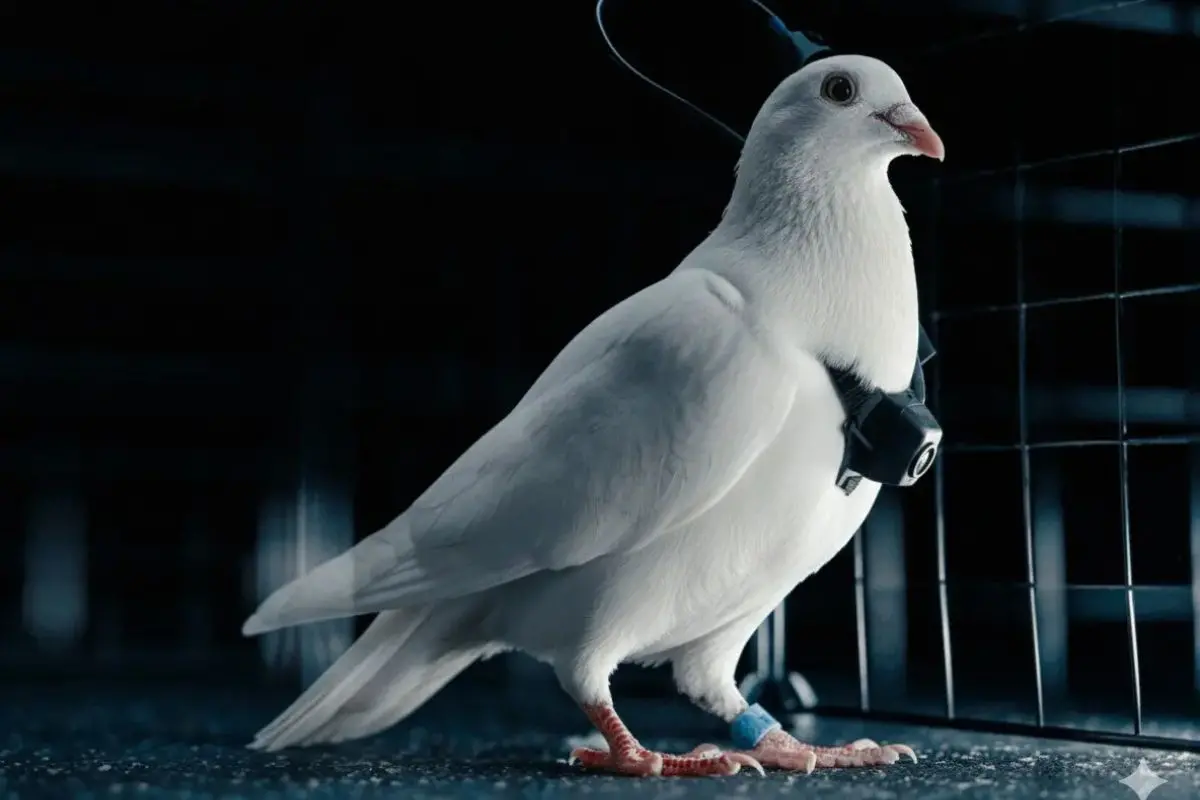
Moscow: A Kremlin-backed neurotechnology company in Russia claims to have developed a system that allows operators to steer pigeons across the sky by sending signals directly into their brains. The so-called “bird-biodrones”, codenamed PJN-1, are ordinary pigeons implanted with neural chips that enable technicians to control their flight paths remotely.
Field tests are reportedly under way using birds fitted with electrodes inserted into their brains and connected to miniature, solar-powered backpacks. These contain onboard electronics, GPS trackers and receivers that transmit commands to the neural implants.
Neiry, the company behind the project, claims that “no training is required” and that the birds can be directed in real time. According to media reports, handlers simply upload commands, and the pigeons “believe they want to fly” in whichever direction they are steered. The procedure requires highly precise surgery, with electrodes placed within millimetres of key brain regions.
If you’ve been with us long enough, naming these three frens should be a breeze pic.twitter.com/288YWBlA4f
— NEIRY (@neirylab) July 15, 2025
The firm claims pigeons can travel up to 310 miles in a day and more than 1,850 miles in a week, giving the altered birds substantial operational range. Neiry’s founder, Alexander Panov, has said the company intends to expand the technology to larger species, including seagulls and even albatrosses for long-range maritime missions. The firm has not disclosed how many birds have died during experimentation.
Although Neiry insists the system is intended for “monitoring and guarding sensitive facilities”, security experts warn that the biodrones could easily be used for espionage or military purposes. Pigeons, ubiquitous in Russian cities, could blend into crowds while carrying covert sensors or cameras. The technology could also allow the birds to operate undetected over conflict zones such as Ukraine.
Neiry claims the altered birds are almost indistinguishable from their natural counterparts.
The company has previously faced criticism for implanting neurochips into cows to increase milk yields.