Revealed! Russia's deadly secret operation in Ukraine
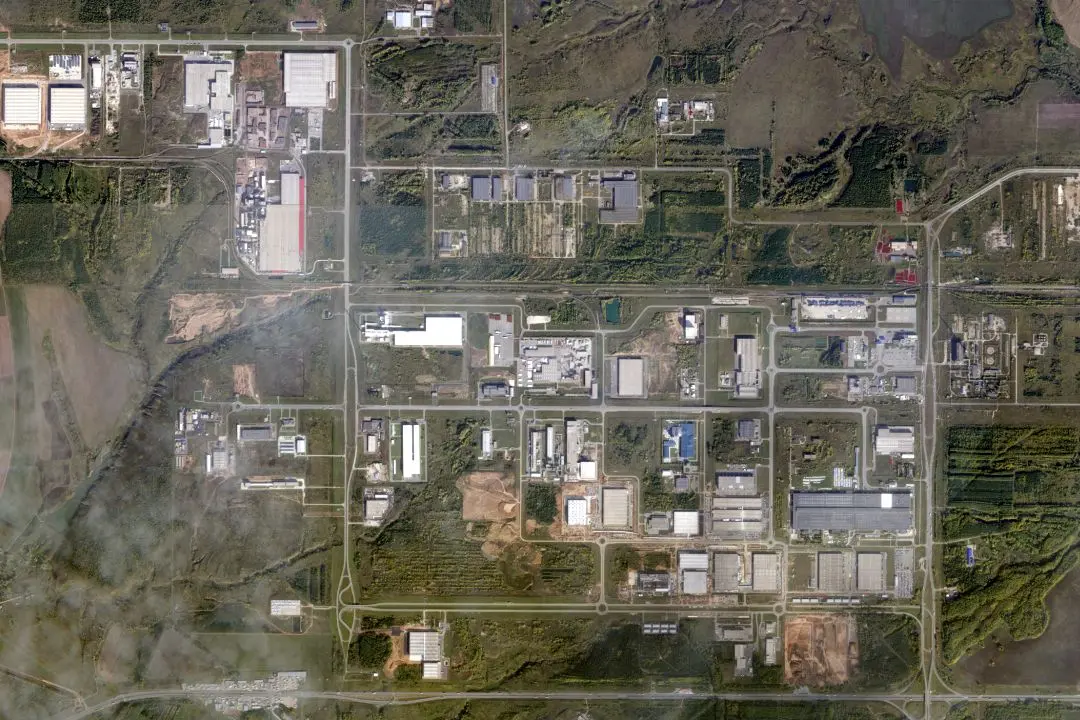
An investigation by the Associated Press has uncovered that a covert facility in Russia's Alabuga Special Economic Zone is producing hundreds of decoy drones designed to overwhelm Ukrainian air defences.
In addition to these decoys, the factory has recently commenced the production of thermobaric drones. These drones carry warheads capable of creating a devastating vortex of heat and pressure, penetrating walls and inflicting severe injuries such as collapsed lungs and brain damage.
Operation False Target
The decoy drone strategy, codenamed Operation False Target, was conceived in late 2022 to confound Ukrainian forces. The plan involves launching armed drones alongside decoys, making it challenging for defenders to differentiate between real threats and harmless imitations.
The decoys are designed to appear identical on radar to drones equipped with explosive payloads, forcing rapid decision-making and depleting Ukraine’s defence resources.
Impact on Ukrainian defence systems
Over recent weeks, these decoy drones have swarmed Ukrainian skies, intensifying air alert periods and stretching the capacity of Ukraine's air defences. Serhii Beskrestnov, a Ukrainian electronics expert, and military sources report that more than half of the drones targeting Ukraine are now unarmed decoys. These decoys, built alongside Iranian-designed Shahed drones, are constructed at Alabuga's industrial complex, which shifted to military production after the 2022 invasion of Ukraine.
Concern over thermobaric weapons
The inclusion of thermobaric warheads has heightened anxiety in Ukraine. These warheads are especially dangerous when used against buildings, dispersing ball bearings and producing an intense blast that impacts people even outside the initial explosion zone.
Beskrestnov noted that thermobaric drones, now making up an estimated 3% to 5% of total drone deployments, could destroy large structures and target critical infrastructure like power plants.
Technological advancements and sanctions
Evasion Despite international sanctions, Russia's drone production continues, utilizing imported electronics, including components sourced from China and other countries.
Ukrainian President Volodymyr Zelenskyy emphasized that Western technology slipping past sanctions has enabled Russia to sustain its drone attacks. The decoy drones, which cost significantly less to produce than their armed counterparts, serve a dual purpose: disrupting defences and conserving Russia's resources for more lethal attacks.
A persistent threat
The drone swarms have become a demoralizing constant for Ukrainians, often followed by more formidable missile strikes. Nightly, Ukrainian forces, armed with portable surface-to-air missiles and sometimes helicopters, attempt to shoot down these drones.
The high-altitude decoys, equipped with radar-enhancing features and live-feed cameras, are a persistent reminder of Russia's evolving military tactics and the ongoing challenge for Ukraine's defence forces.
AP