‘Ready to assume power’: Shah’s son Reza Pahlavi eyes post-regime Iran
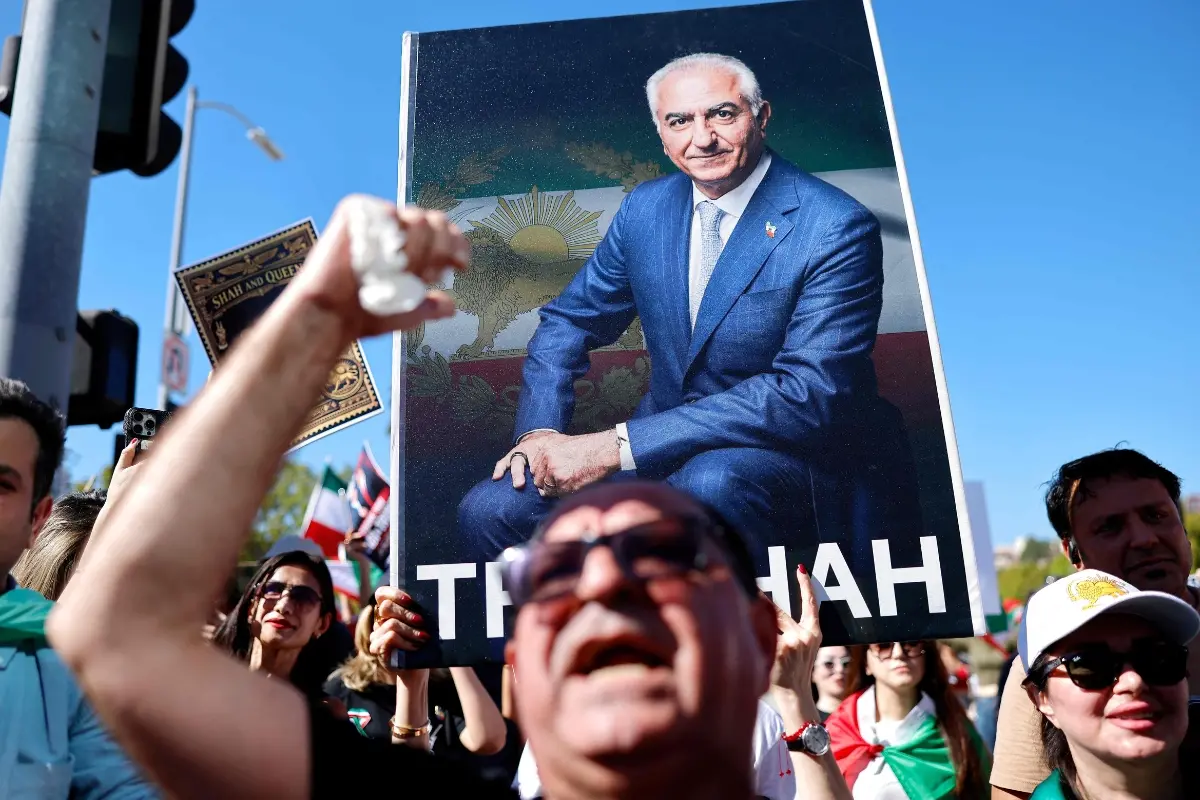
Paris: Reza Pahlavi, the exiled son of Iran’s last monarch, Mohammad Reza Pahlavi, on Saturday said he is prepared to lead a political transition in Iran if the country’s clerical establishment collapses.
In a message posted on his social media channels, Pahlavi said preparations were already underway to create a governing structure that could take over administration once the current system falls.
He said individuals inside and outside Iran have been identified to serve in what he described as a “Transitional System.”
Also read | Iran confirms Kharg Island oil exports ‘normal’ after US strikes; no casualties reported
"Capable individuals both inside and outside the country have been identified and evaluated to lead various sections of the Transitional System," he said.
Pahlavi added that the proposed structure would be ready to assume power quickly if the current regime collapses.
"The Transitional System, under my leadership, will be ready to assume governance of the country as soon as the Islamic Republic falls, and in the shortest possible time, establish order, security, freedom, and the conditions for Iran's prosperity and flourishing," he said.
Pahlavi said economist Saeed Ghasseminejad, a senior Iran and financial economics adviser at the US-based think tank Foundation for Defence of Democracies, had been leading efforts to select members of the transitional body.
Also read | Is US preparing for a ground operation in Iran? Marines deployment raises questions
The remarks come amid escalating regional tensions following the recent conflict between Iran, the United States and Israel.
Iran’s longtime supreme leader, Ali Khamenei, was killed in US-Israeli air strikes on February 28, though the Islamic Republic’s political system continues to function and a clear successor has yet to publicly emerge.
Supporters of Pahlavi have organised large pro-monarchy rallies in recent weeks, including demonstrations in Munich and several North American cities.
However, Pahlavi has not received formal recognition from Donald Trump, who has expressed doubts about the ability of exiled opposition figures to lead Iran.
"They talk about the son of the shah, they talk about other people, but (he) hasn't been there in many years," Trump said earlier this week.
Pahlavi has lived in exile since the 1979 revolution that toppled the monarchy while he was undergoing air force training in the United States.
Trump has pointed to developments in Venezuela as an example of how political change might unfold, saying he preferred internal change rather than external intervention.
"I like the idea of internal because it works well, I think we have proven that so far in Venezuela," Trump said.
Despite growing debate about possible political alternatives, it remains unclear how a transition of power could occur in Iran or whether opposition groups abroad command significant support inside the country.