Russia to use ‘all types of weapons’ if Kaliningrad is attacked, Putin says
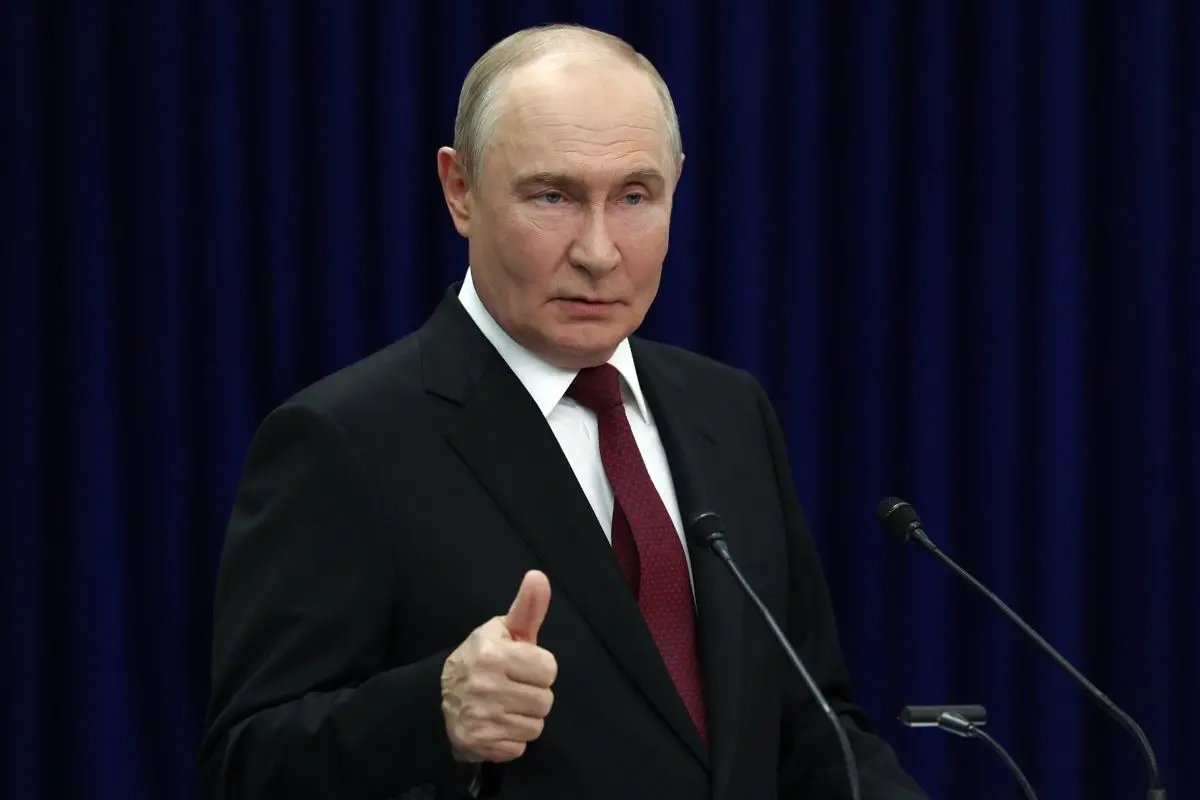
Moscow: Russian President Vladimir Putin warned that Russia would respond with “all types of weapons” if its Kaliningrad exclave came under attack. His comments came as he discussed the continuing risk of international conflicts and the changing global balance of power.
Kaliningrad is a Russian territory on the Baltic Sea that is geographically separated from mainland Russia. It borders Poland and Lithuania, both members of NATO and the European Union.
Russia says it does not intend to attack
Putin also said Russia had “no intention of attacking anyone”, presenting Moscow's position as focused on avoiding what he described as catastrophic scenarios.
His remarks come amid continuing tensions between Russia and Western countries over the war in Ukraine and wider European security concerns.
Putin said international conflicts were likely to continue in the coming years as major geopolitical changes reshape the international system.
He argued that ongoing fundamental shifts were creating new opportunities but could also encourage countries to take greater risks in pursuit of what he described as potentially significant gains.
Putin also said the global situation would eventually improve as what he called Western hegemony declined.
Why Kaliningrad matters
Kaliningrad has strategic importance because of its location on the Baltic Sea between NATO members Poland and Lithuania. Any military confrontation involving the territory would therefore have wider implications for European security.
Putin's warning comes against a backdrop of heightened tensions between Russia and NATO, although his statement that Russia has no intention of attacking anyone reflects Moscow's stated position on avoiding a wider confrontation.
Putin's comments combine a warning of a potentially severe Russian response to any attack on Kaliningrad with an assertion that Moscow does not intend to initiate an attack. The remarks highlight the strategic sensitivity of the Russian exclave and the broader security tensions surrounding the Baltic region.
His wider comments also frame current conflicts as part of what he described as a long-term shift in global power. The statements do not, by themselves, indicate that an attack on Kaliningrad is imminent.