Power, privilege and punishment: Diddy’s four-year prison term explained
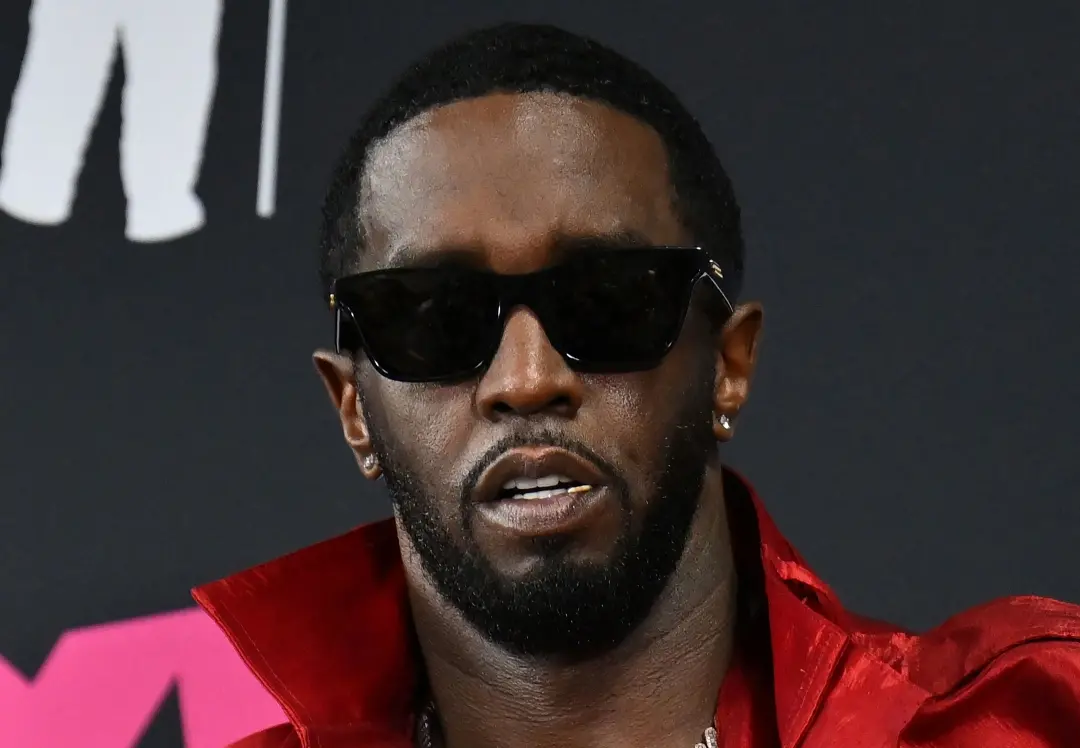
New York: Hip-hop mogul Sean “Diddy” Combs was sentenced Friday to four years and two months (50 months) in federal prison for transporting people across state lines for sexual encounters, concluding a long-running case that revealed disturbing allegations of coercion, violence and abuse. The sentencing marks a dramatic moment in the downfall of one of the most powerful figures in music.
Since Combs has already served about a year in custody, he is expected to spend roughly three more years in prison. Prosecutors had sought a sentence exceeding 11 years, while defence lawyers argued he should be released immediately, saying his time in jail had already brought “remorse and sobriety.”
Conviction and case background
Combs was convicted in July on two counts of violating the Mann Act, a century-old federal law banning the transportation of individuals across state lines for illegal sexual activity. The charges stemmed from evidence that he flew girlfriends and male sex workers to various locations to engage in drug-fuelled sexual encounters over several years.
He was acquitted of racketeering and sex-trafficking charges, which could have resulted in life imprisonment. The ruling drew attention to the Mann Act’s history and its application in this case. Defence attorneys argued the law was misapplied and that the conduct involved consensual acts, while prosecutors maintained Combs used his influence to exploit vulnerable individuals.
The courtroom and sentence
US District Judge Arun Subramanian, in delivering the sentence, said, “Why did it happen so long? Because you had the power and the resources to keep it going, and because you weren't caught.” He also imposed the maximum fine of USD 500,000.
The courtroom was tense as Combs, 55, sat silently at the defence table. Earlier in the day, the hearing began with Combs’ lawyers playing a video portraying his career, philanthropy and family life. Combs, visibly emotional, addressed the judge directly:
“I ask your honour for a chance to be a father again, a son again ... a leader in my community again ... for a chance to get the help that I desperately need to be a better person.”
He also expressed remorse, saying his “disgusting, shameful” actions had caused harm, and acknowledged that the domestic violence charges would remain a burden for life.
After the sentencing, defence attorney Marc Agnifilo said they would appeal, adding: “What we feel today is that the judge acted as a 13th juror, one we did not choose, and that he second guessed the jury's verdict.”
Victims’ testimonies and trial details
Combs’ trial began in May and lasted nearly two months, featuring testimony from women who accused him of abuse, threats, sexual assault and blackmail. Former girlfriend Casandra “Cassie” Ventura testified about being ordered to have “disgusting” sex with strangers hundreds of times during their decade-long relationship. Jurors were shown video of Combs dragging and beating her in a Los Angeles hotel hallway.
Another woman, identified as “Jane,” told the court she had been pressured into sex with male workers during drug-fuelled “hotel nights,” at which Combs watched and sometimes filmed. These events, dubbed “freak-offs,” were central to the prosecution’s case.
One accuser, “Mia,” had planned to testify but withdrew after defence objections. Prosecutors accused Combs’ lawyers of “bullying” her. Mia has alleged Combs raped her in 2010 and described in a letter to the judge the “ongoing danger my abuser poses.”
Family pleas and public reaction
Six of Combs’ seven children addressed the court, asking for leniency. His daughter D’Lila Combs told the judge: “Please, your honour, please … give our family the chance to heal together, to rebuild, to change, to move forward, not as a headline, but as human beings.”
Outside the courthouse, reactions were mixed. Sade Bess, a Combs fan from Brooklyn, said: “It’s devastating to see a pioneer of the Black community’s legacy nearly diminished. But the judge showed mercy by giving him a second chance, while still honouring the victims.”
Charges and legal context
Combs faced racketeering, sex trafficking and transportation for prostitution charges. His conviction under the Mann Act confirmed that he had transported individuals for prostitution, but the acquittals on racketeering and trafficking charges limited the scope of his sentence.
Racketeering charges, often used in organised crime cases, required prosecutors to prove Combs operated a criminal enterprise involving his associates. Defence attorneys argued there was no evidence staff knowingly participated in the alleged “freak-offs.” Legal experts noted racketeering cases are difficult to prove, particularly without direct evidence of coordinated crime.
The Mann Act and its history
The Mann Act, passed in 1910 to combat human trafficking and sexual exploitation, prohibits transporting individuals across state lines for illegal sexual acts. Historically, it was also used to criminalise consensual relationships, including interracial relationships, a point Combs’ defence raised unsuccessfully during the trial.
Combs’ career and legacy
Sean Combs, also known as Puff Daddy, P Diddy, Love, and Brother Love, rose to prominence in the 1990s, founding Bad Boy Records and launching the careers of artists including Mary J Blige and The Notorious B.I.G. His business ventures included a lucrative partnership with Cîroc vodka and numerous brand endorsements.
Combs has also been recognised with Grammy nominations and named a Global Icon at the MTV Awards. His influence spans music, fashion and business, making the case and its outcome significant in both legal and cultural contexts.
Sentencing and next steps
Transportation for prostitution carries a maximum sentence of 10 years per count. Combs was convicted on two counts, but the final sentence fell short of the 11 years sought by prosecutors. His defence has vowed to appeal.
Judge Subramanian said the sentence was necessary “as a deterrent and to send a message,” while acknowledging the gravity of Combs’ misconduct. Combs expressed remorse, writing in a letter before sentencing: “I lost my way … My downfall was rooted in my selfishness. I have been humbled and broken to my core.”
(With inputs from AP)