Poll suggests Trump's Iran strategy faces growing resistance in US; 79% oppose sending ground troops
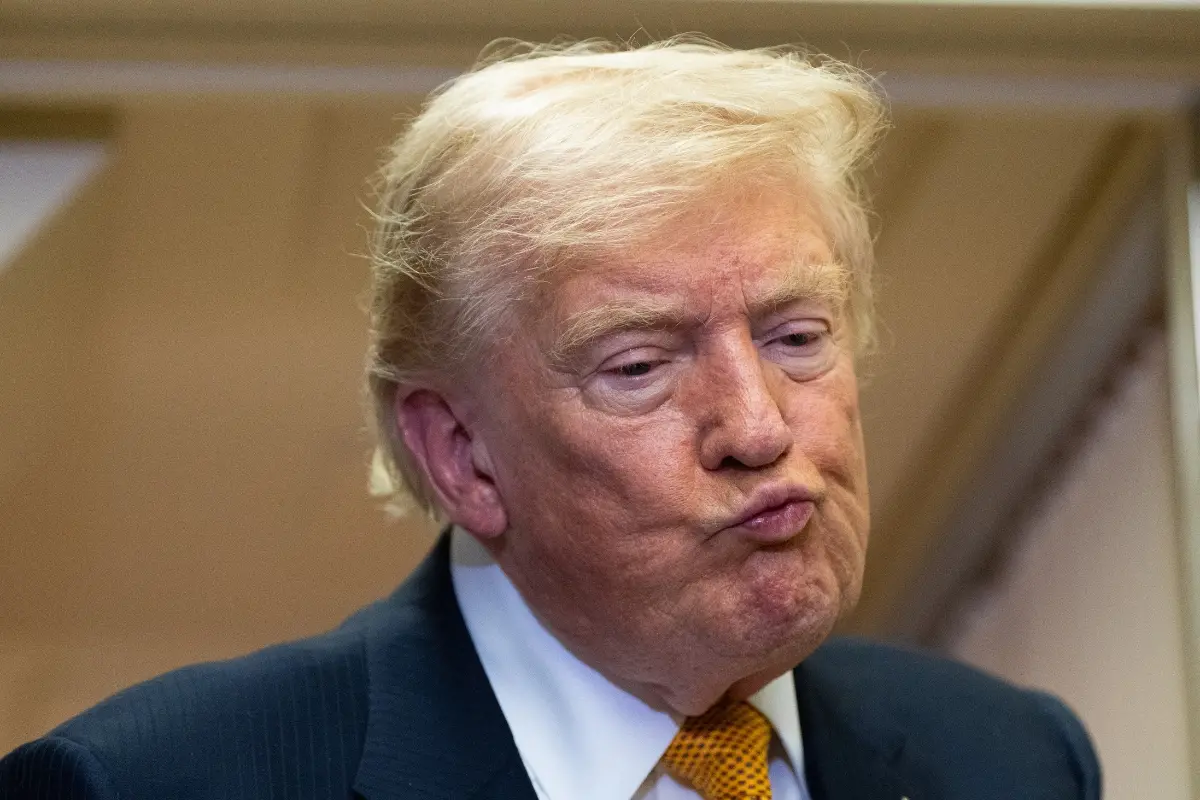
Most Americans remain opposed to expanding US military involvement in Iran, with strong resistance to sending ground troops and continued dissatisfaction over the government's handling of the conflict, according to a Reuters/Ipsos poll conducted from July 24 to 26.
The survey found that 62% of Americans disapproved of US military strikes in Iran, compared with 33% who approved. A majority, 69%, also said President Donald Trump had not clearly explained the objectives of US military involvement.
Opposition was even stronger when respondents were asked about deploying ground forces. Nearly four in five Americans, or 79%, said they opposed sending US troops to Iran, while only 16% supported the move. The findings indicate widespread public reluctance to see a broader US military role in the conflict.
Voters unconvinced by both major parties
The poll also found that neither the Republican nor the Democratic Party has managed to convince a majority of Americans ahead of the US fall midterm elections.
Only 39% of respondents said the Democratic Party had a lot or some good ideas, while 46% felt it had only a few or almost no good ideas. Ratings for the Republican Party were almost identical, with 39% saying it had a lot or some good ideas and 45% saying it had few or almost no good ideas.
The results highlight a political landscape in which both parties are struggling to connect with large sections of the electorate.
Economy remains closely contested
On the economy, the two parties were virtually level. Around 32% of Americans preferred the Republican Party's approach, while 31% favoured the Democratic Party.
The figures mark a significant change from the beginning of President Trump's second term, when Republicans enjoyed a much wider advantage over Democrats on economic issues.
The parties were also evenly matched on corruption, political violence and extremism, and war and foreign conflicts.
However, voters gave each party an edge in different policy areas. The Democratic Party held a slight advantage on the cost of living and was viewed more favourably on healthcare and democratic values and norms. The Republican Party was seen as stronger on immigration and crime.
Democratic socialism receives mixed public response
As democratic socialist candidates gain greater attention across the country, 60% of Americans said they had heard at least a little about such candidates winning elections this year.
Even so, only 27% believed leaders identifying as democratic socialists had a lot or some good ideas. A majority, 51%, said they had only a few or almost no good ideas, while 20% were unsure.
Among Democratic voters, attitudes were more positive. Around 53% said democratic socialist leaders had a lot or some good ideas. However, support for the Democratic Party remained stronger, with 75% of Democrats saying the party itself had a lot or some good ideas.