Why Pizza Hut is slicing its US presence: Sales slump forces mass closures
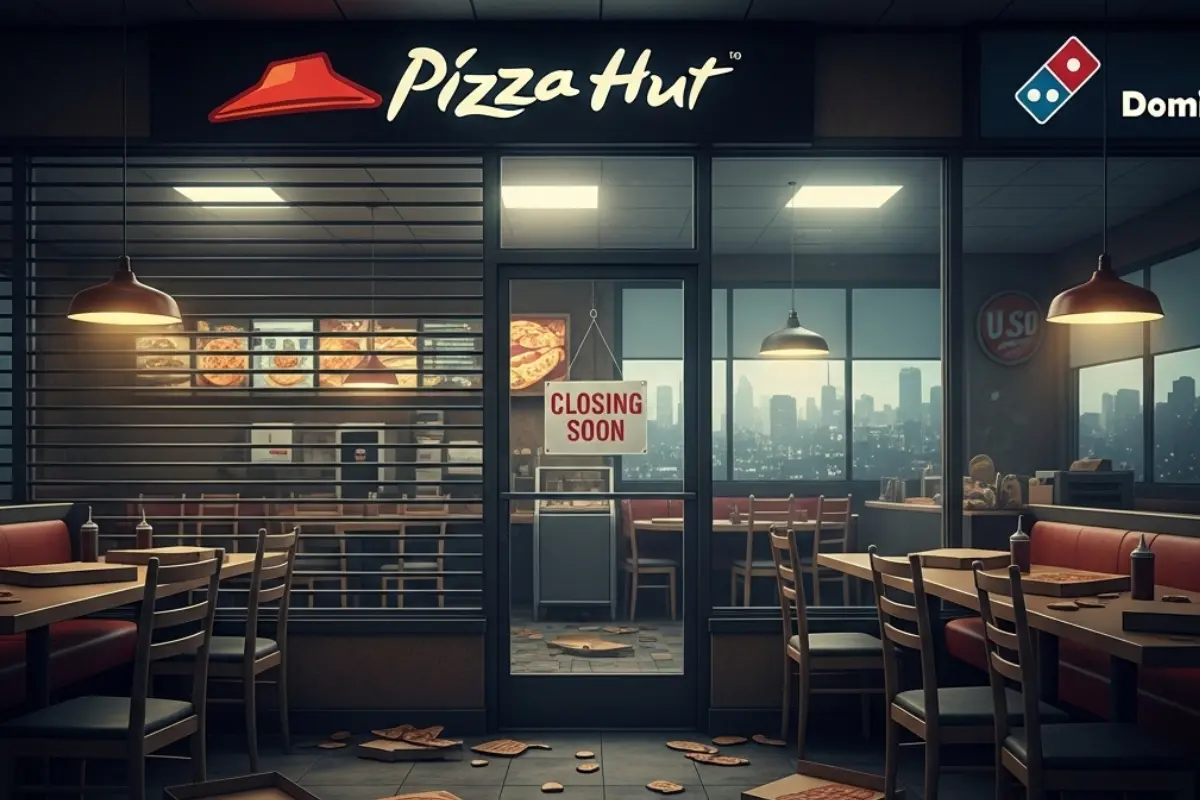
Pizza Hut, the iconic pizza chain known for family gatherings and celebrations, will shut 250 restaurants across the United States in the first half of 2026. The closures are part of a strategic assessment by Yum Brands, the parent company of KFC, Taco Bell, and Habit Burger & Grill, in response to challenges such as a 5% sales drop and rising competition, particularly from Domino’s.
According to Yum Brands CFO Ranjith Roy, the company has initiated the “Hut Forward” programme in the US, designed to accelerate the brand’s long-term growth. The initiative includes a refreshed marketing campaign, technology upgrades, revised franchise agreements, and targeted closures of underperforming locations, alongside a one-time contribution from Yum for marketing support.
Domino’s has continued to expand, reportedly achieving a 2.7% rise in US sales in the first nine months of 2025, highlighting Pizza Hut’s struggles in retaining market share. Globally, Pizza Hut ended 2025 with 19,974 outlets, down from the previous year despite opening nearly 1,200 new locations across 65 countries.
Recent product innovations, such as a new five-dollar pizza, have not delivered the expected impact in North America. Within Yum Brands’ portfolio, Pizza Hut remains one of the few chains experiencing a decline in market share, whereas Taco Bell and KFC have shown gradual recovery, with Yum shares rising 6% so far in 2026.
The closures mark a significant shift for Pizza Hut, a brand long associated with family meals and celebrations. The US market has posed particular challenges, with sales declining and competitors like Domino’s rapidly adapting to consumer preferences. The “Hut Forward” programme represents Yum Brands’ comprehensive strategy to revitalise the chain, combining marketing, technology, and structural reforms.
The closures are expected to focus on underperforming stores, allowing resources to be redirected towards modernising remaining outlets and improving overall brand competitiveness. While the closures may impact some communities, the broader strategy aims to position Pizza Hut for sustainable growth in the evolving fast food landscape.
Globally, Pizza Hut continues to maintain a strong footprint, but the disparity between store openings and closures indicates the need for continued adaptation. Observers note that the brand’s struggles underscore the intense competition in the pizza segment and the importance of innovation and responsiveness to consumer trends.