Why media giant Paramount just paid a sitting US president $16 million — and why it matters
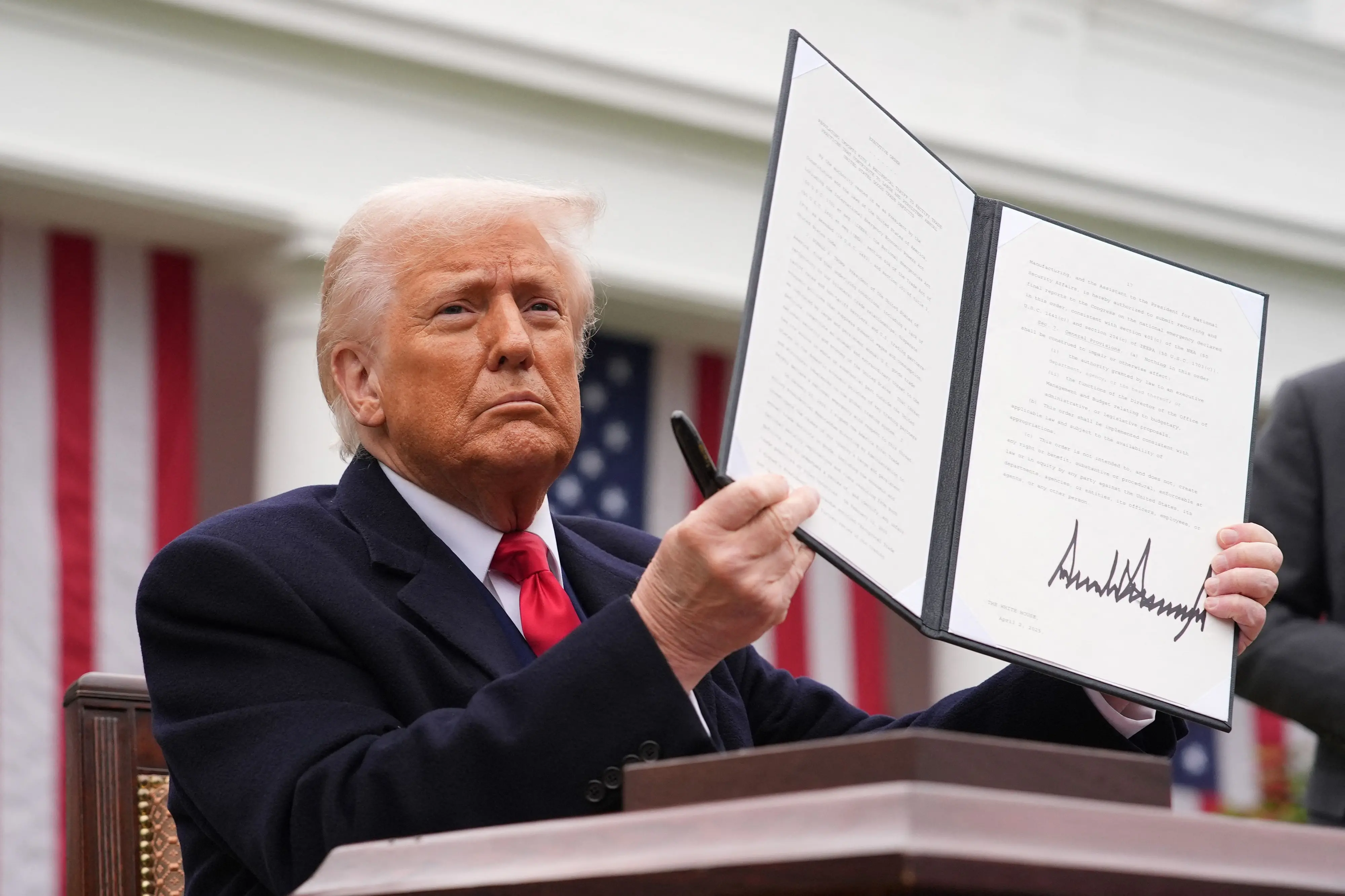
Washington: Paramount Global has agreed to pay USD 16 million to President Donald Trump’s future presidential library in a settlement stemming from a lawsuit over the editing of a 2020 60 Minutes interview with then–Vice President Kamala Harris.
The unprecedented payout by a media company to a sitting US president has drawn scrutiny, with free speech advocates warning of dangerous precedents.
Trump had accused CBS News of editing Harris's answers in a way that made her appear more coherent and favourable, misleading the public during a critical campaign period. Though Trump himself declined an interview with 60 Minutes at the time, he took issue with how Harris was shown giving seemingly different answers to the same question—one on 60 Minutes and another on Face the Nation, aired earlier the same day.
CBS maintained that both answers were part of a longer, meandering reply by Harris and had been edited solely for brevity. However, Trump’s legal team, led by Edward Andrew Paltzik, claimed the edits created confusion, misled voters, and caused Trump “mental anguish,” negatively impacting public attention to his campaign and Truth Social platform.
Why is Paramount paying—and what’s at stake?
This case has come to symbolise the growing tension between media outlets and political leaders in an era of high-stakes digital influence. While CBS and Paramount initially fought the lawsuit, the settlement—brokered with the help of a mediator—comes at a time when the company’s controlling shareholder, Shari Redstone, is seeking government approval for a high-profile merger with Skydance Media.
Observers note the timing is not incidental: Trump’s administration will play a key role in the regulatory review of that merger. Settling the dispute may be seen as a strategic move to avoid antagonising the very office that holds influence over Paramount’s future.
As part of the agreement, 60 Minutes will now be required to release full transcripts of all future interviews with presidential candidates, subject to redactions only in cases involving legal or national security concerns—a condition some view as an editorial concession to political influence.
Internal backlash and resignations
The settlement has already triggered turmoil inside CBS. Both CBS News President and CEO Wendy McMahon and 60 Minutes executive producer Bill Owens—who opposed reaching a settlement—have resigned in recent weeks. Their departures highlight internal resistance to what critics call a dangerous capitulation to political pressure.
Backlash from press freedom advocates
Media watchdogs have sharply criticised the settlement. The Freedom of the Press Foundation, which identifies as a Paramount shareholder, said it plans to file a lawsuit against the deal. The group argued that caving to political demands sets a troubling precedent for press freedom and editorial independence.
“This kind of payout sends a chilling message to every journalist in the country: if a powerful political figure doesn’t like how they were edited, they can threaten legal action and force a media house into submission,” said a spokesperson for the organisation.
No apology, but major implications
Paramount has emphasised that the settlement does not include an apology and that the money will not go to Trump personally but towards building his presidential library. Yet, critics argue that the payment—even without an admission of wrongdoing—amounts to a quiet concession under political and business pressure.
There has been no comment yet from the White House, and it remains unclear how the legal community will interpret the precedent this case sets.
This high-profile settlement raises uncomfortable questions about the independence of major news outlets, especially when intertwined with corporate interests and political power. While Paramount may have closed the case legally, its implications for media accountability, corporate integrity, and journalistic autonomy are far from resolved.