Paraguay gets new president after bank collapse; ousted Peña placed under house arrest
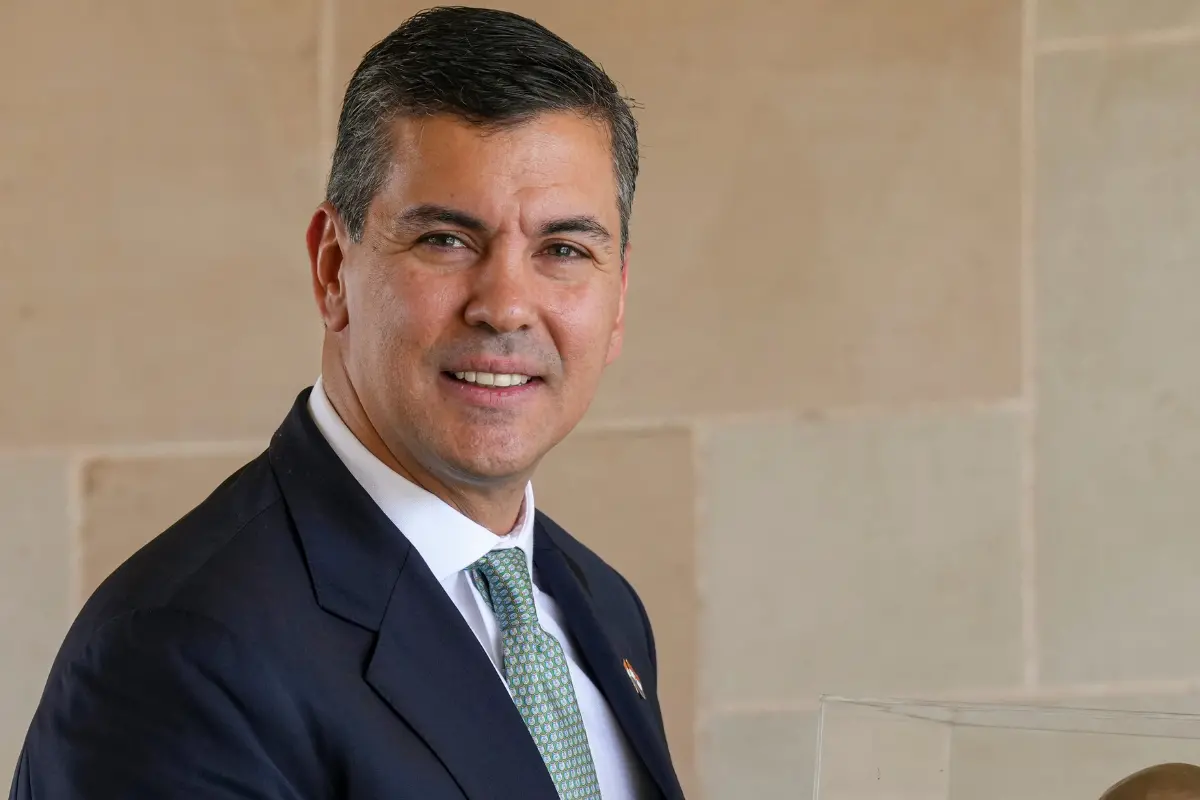
Asunción: Paraguay has sworn in Pedro Alliana as its new president following the impeachment of Santiago Peña over a banking scandal that froze the savings of millions of customers. Alliana, who served as Peña's vice-president, has pledged to fully compensate those affected by the collapse of digital lender Ueno Bank.
The leadership change came on Friday (local time), when all 44 senators present voted to remove Peña from office over allegations of misconduct linked to the bank. Hours later, prosecutors placed the former president under house arrest on suspicion of breach of trust, influence peddling and using public office for personal gain.
Alliana, 52, will complete the presidential term ending in August 2028. He takes charge of a country facing mounting public anger, financial uncertainty and demands for accountability over the collapse.
Alliana promises full compensation for Ueno Bank victims
In his first address after taking the oath, Alliana pledged that people affected by the banking crisis would not be abandoned.
He announced immediate measures to compensate depositors, with priority for vulnerable sections of society and those least able to bear the financial losses. He also stressed that transparency would be non-negotiable under his administration.
The new president faces the immediate challenge of restoring public confidence in the banking system and ensuring that customers regain access to their savings.
Alliana had served as vice-president since Peña took office in 2023. He will now lead the country through the remainder of the current presidential term.
Why was Santiago Peña impeached?
Peña's removal followed the collapse of Ueno Bank, which was seized by financial regulators on Tuesday after falling below legal solvency requirements.
Lawmakers accused the former president of using his political influence to benefit the lender and directing hundreds of millions of dollars in public funds towards it while regulatory oversight weakened.
The impeachment charges cite Peña's earlier stake in Ueno's holding company, which he said he sold in early 2025, and his appointment of Carlos Carvallo, who previously headed the financial company that became Ueno, as central bank chief in 2023.
He is also accused of allowing the state pension fund to deposit $355 million at the bank, allegedly exceeding legal limits.
Peña has denied wrongdoing. He had offered to resign on Thursday, but Congress rejected the move and proceeded with impeachment. Had he been allowed to resign, he would have retained legal protections available to former presidents serving in the Senate.
The Senate's decision makes him the second Paraguayan president to be removed through impeachment since the end of General Alfredo Stroessner's 35-year dictatorship in 1989.
Also read | US offers $20 million reward for information on Iran's nuclear programme despite Trump's claims it was destroyed
Former central bank chief faces arrest
Following his removal, prosecutors ordered Peña to remain at one of his residences in the capital, Asunción, until he appears before them. The allegations include breach of trust, influence peddling and using public office for personal gain, with some offences carrying prison terms of up to 10 years.
Police maintained a security cordon around his residence as protesters gathered outside, demanding accountability for the banking collapse.
Prosecutors also issued an arrest warrant for Carlos Carvallo, who resigned as central bank chief earlier this week. He previously headed the financial company that became Ueno.
Peña said in a farewell message that he did not want his presence to become a source of further division or instability.
Ueno collapse leaves millions without access to savings
The banking crisis has affected around three million Ueno customers, nearly two-thirds of Paraguay's adult population. Customers were unable to withdraw cash, access savings or use their bank cards after regulators intervened.
The lender had expanded rapidly by offering attractive supermarket discounts and banking services to people who previously had limited access to formal banking. More than one million Paraguayans reportedly opened their first bank accounts with Ueno.
The fallout has spread beyond individual depositors. A ride-hailing platform that depended on the bank shut down, leaving around 3,000 drivers without work. Meanwhile, $21 million in loans from the Inter-American Development Bank and Taiwan, earmarked for public infrastructure projects, remains trapped at the lender, according to the state electricity company.
Paraguay's bonds have also suffered steep losses, while its currency, the guaraní, has weakened against the US dollar.
Authorities have begun releasing money to some depositors, initially prioritising those with savings of up to 10 million guaraníes (around ₹1,60,400). The central bank says deposits are insured up to approximately $35,000 (₹33,05,613), covering 97 per cent of Ueno's customers.
Also read | China says discussions underway on Xi-Trump-Putin meeting
27 people charged in separate Ueno investigation
The investigation into the bank's collapse has widened, with prosecutors charging at least 27 people, including its founder and former chief executive Miguel Vázquez.
The charges include breach of trust and attempted fraud. Several former directors have been placed in pretrial detention.
Ueno had grown into Paraguay's fifth-largest bank by deposits, with more than $800 million in public funds helping fuel its expansion. Its collapse has now triggered a major political transition, leaving Alliana's new administration under pressure to recover depositors' money and establish accountability.