29-year-old charged over LA wildfire asked ChatGPT for “dystopian” fire imagery
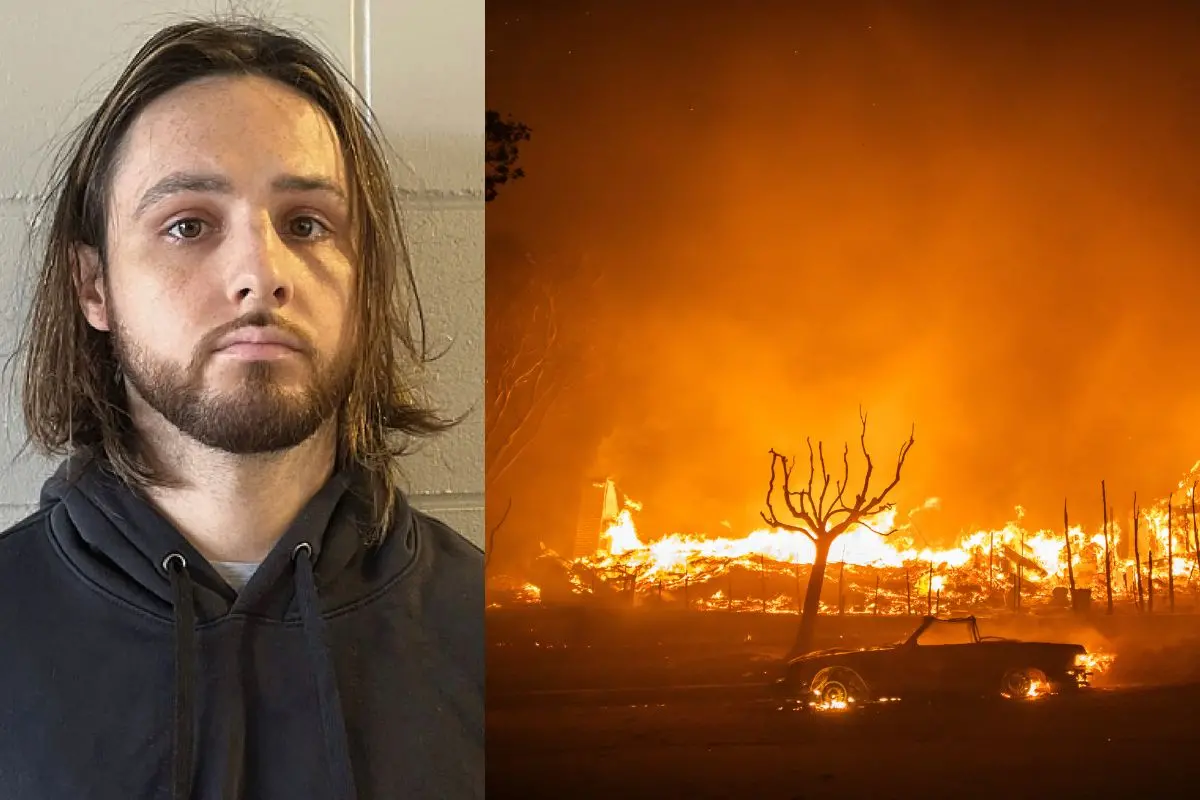
Los Angeles: A 29-year-old man has been formally charged in connection with one of the most catastrophic wildfires in California’s history, the deadly Palisades Fire, which left 12 people dead and destroyed thousands of homes across Los Angeles County earlier this year.
Prosecutors revealed that Jonathan Rinderknecht had previously instructed ChatGPT to generate an image of burning forests and panicked crowds months before the blaze erupted.
Federal authorities announced on Wednesday that Rinderknecht, a local resident, allegedly ignited a small fire on January 1, 2025, which smouldered underground before reigniting six days later. The fire rapidly spread through the affluent Pacific Palisades and neighbouring Malibu, home to numerous celebrities and high-profile residents.
In a press conference, U.S. Attorney Bill Essayli confirmed that Rinderknecht has been charged under a criminal complaint with maliciously setting the fire on New Year’s Day. Investigators say the suspect’s digital devices contained the ChatGPT‑generated “dystopian” image of a burning city, though authorities have not yet disclosed any established motive.
The Palisades Fire was one of two major blazes that erupted on January 7, together claiming over 30 lives and reducing more than 17,000 structures to ash across the region. The second, known as the Eaton Fire, devastated Altadena, killing 19 and destroying over 9,400 homes. Its cause remains under investigation, though the U.S. government has launched legal action against Southern California Edison, accusing the utility of sparking the blaze.
Rinderknecht was arrested on Tuesday in Florida and appeared in court the following day in Orlando, facing charges including malicious destruction by means of fire — an offence carrying a minimum five-year prison sentence. Shackled and dressed in a T-shirt and shorts, he told the court he was not under the influence and had no mental health issues. A hearing is scheduled for October 17 to consider bond and extradition to California.
Authorities say Rinderknecht had been working as an Uber driver on New Year’s Eve. After dropping off a passenger in Pacific Palisades, he allegedly walked up a local trail, filmed a hilltop area, and listened to a rap song whose accompanying video depicted items being set on fire. Prosecutors claim he then used a lighter to ignite the blaze shortly after midnight.
"He fled when fire crews arrived but later returned to watch them battle the flames and even filmed the scene," Acting U.S. Attorney Bill Essayli stated.
The suspect reportedly made multiple 911 calls to report the fire and later provided investigators with details about its origin that had not been made public, suggesting he had witnessed or caused it. Investigators say he lied about his location at the time, claiming he remained at the bottom of the trail, despite evidence to the contrary.
During a January 24 interview, Rinderknecht appeared visibly anxious. Prosecutors allege he attempted to create an innocent narrative around the fire’s cause — even asking ChatGPT whether a cigarette could ignite a wildfire — to cover his tracks and make it appear he tried to help.
A criminal complaint revealed that investigators found a "barbecue-style" lighter in Rinderknecht’s vehicle, believed to be the same one pictured in a photo taken in his apartment on December 31. He admitted to carrying a lighter during the walk.
The U.S. Bureau of Alcohol, Tobacco, Firearms and Explosives worked with Uber to verify his movements on the night in question.
Officials describe the Palisades Fire as a “holdover fire” — a blaze that remained hidden in underground root systems after the initial January 1 ignition and re-emerged days later. Such fires, the Los Angeles Fire Department (LAFD) said, can burn at depths of up to 6 metres and evade detection by thermal imaging.
LAFD’s interim chief, Ronnie Villanueva, called the arrest "an important first step toward justice" but acknowledged serious failures in the initial response to the fire.
A departmental review released Wednesday found that fire crews lacked sufficient resources and struggled with communication during the first 36 hours, hampering the emergency response during a critical window. Despite advanced warnings of high winds, the department failed to pre-deploy resources, the report said.
The investigation also criticised the delayed evacuation orders, which came 40 minutes after homes had already begun burning. Many residents fled spontaneously, leading to blocked routes and further hindering fire services.
The incident command had to be moved multiple times to avoid the advancing fire, and exhausted firefighters remained on duty for over 36 hours without relief. Meanwhile, difficulties recalling off-duty personnel and inexperience among some commanding officers further complicated operations.
An independent review commissioned by Los Angeles County officials last month highlighted “outdated policies, inconsistent practices, and communications vulnerabilities” as key weaknesses in the county’s emergency preparedness and response.
Federal prosecutors must now prove beyond reasonable doubt that the Palisades Fire stemmed directly from the earlier New Year’s Day blaze allegedly lit by Rinderknecht — a point likely to become central to the legal case as it progresses.
(With AP inputs)