Inside Pakistan's mega placenta smuggling syndicate feeding global anti‑ageing trade
Pakistani authorities are investigating an alleged syndicate accused of buying human placentas from hospitals, drying and processing them, and exporting the material abroad for use in expensive anti‑ageing injections, in a case that has triggered public outrage and fresh scrutiny of medical waste and organ‑trade regulation in the country.
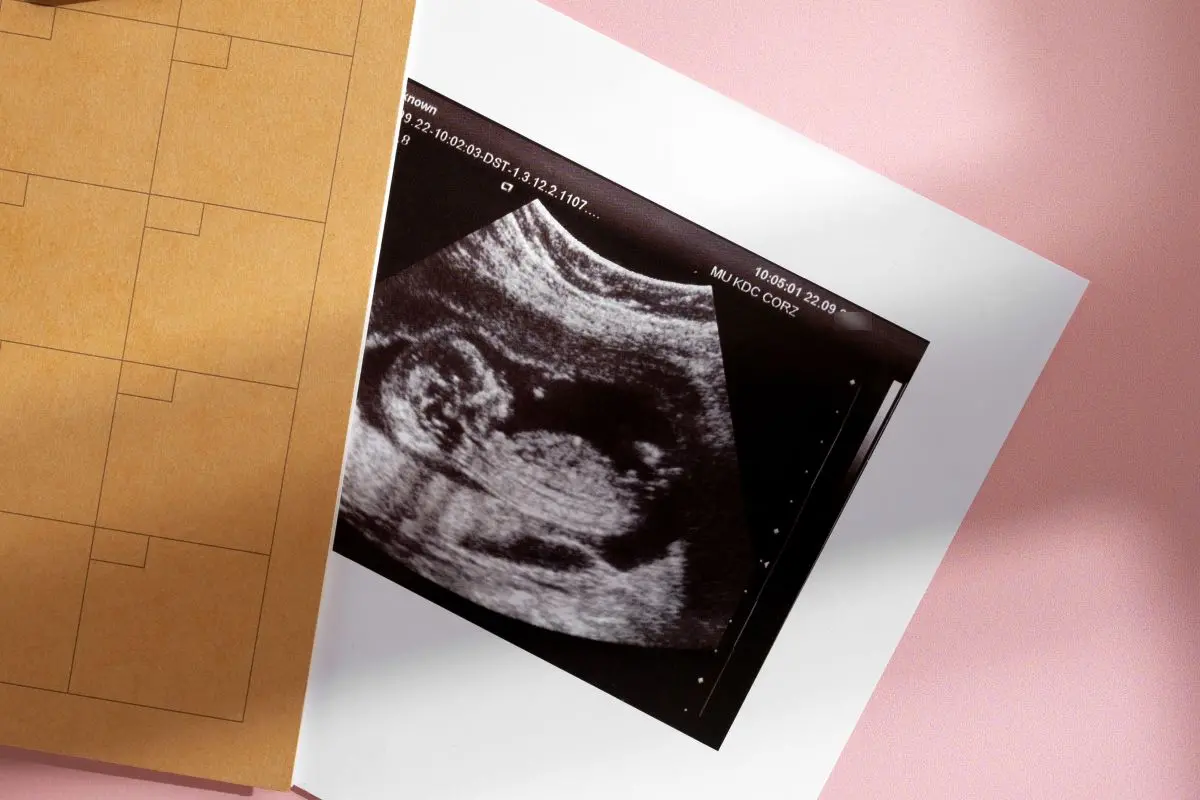
The human placenta is a temporary organ that forms in the uterus during pregnancy and connects the mother to the developing fetus via the umbilical cord, acting as the lifeline between them. It attaches to the uterine wall and allows metabolic exchange: it delivers oxygen, nutrients and antibodies from the mother’s blood to the fetus, while removing carbon dioxide and other waste products from the fetal circulation so the mother’s body can eliminate them. The placenta also functions as an endocrine organ, producing hormones needed to maintain pregnancy, support fetal growth and prepare the body for birth and breastfeeding
Pakistan’s Federal Investigation Agency (FIA) says it is probing a network suspected of trafficking human placentas from medical facilities in Islamabad and Rawalpindi to be turned into anti‑ageing products overseas.
According to details shared with BBC Urdu and other outlets, investigators allege the ring has been buying about 200kg (around 440lbs) of placentas from various hospitals every month, before drying and processing them in clandestine facilities.
In a recent raid in Islamabad, officials discovered what they described as a "plant" set up inside a residential property, equipped to illegally process and dry human organs, particularly placentas.
Images released by the agency showed racks and trays filled with what investigators say are dried placental tissues stacked on carts inside the makeshift processing centre.
Seizures and arrests
The FIA and Pakistan’s Human Organ Transplant Authority (HOTA) have reported multiple operations over the past days, including the recovery of several hundred kilograms of suspected human placental material. In one Islamabad raid, officials said they found around 500–550kg of placenta stored at an unlicensed processing site, while another operation at the airport intercepted a shipment of about 100kg of human tissue destined for Vietnam.
At least five suspects have been arrested so far, including three Chinese nationals and two Pakistani citizens, as part of what authorities describe as an ongoing investigation into illegal processing, fake documentation and the possible involvement of a wider network.
The case has been registered under relevant sections of Pakistan’s Human Organs Transplantation Act, 2010, which regulates the removal, storage and transplantation of human organs and prescribes penalties for illicit trade.
Alleged business model and pricing
Officials say the syndicate allegedly sourced placentas from hospitals in the Islamabad–Rawalpindi area, paying staff roughly 800 Pakistani rupees per placenta.
The tissues, which are normally treated as medical waste after births, were then dried and processed, with the finished products exported under names such as "She Placenta" to markets like Vietnam.
According to FIA sources cited in media reports, the material was intended for use in anti‑ageing injections, with each injection priced at around 700,000 rupees—roughly equivalent to thousands of US dollars—aimed at high‑end cosmetic and wellness clients abroad.
Investigators are now examining how the processed items were declared to customs, the role of freight forwarders, and whether similar consignments may have previously left the country undetected.
Regulatory and ethical concerns
The case has raised serious ethical and regulatory questions about the handling of biological material in Pakistani hospitals and the safeguards in place to prevent diversion into illegal markets.
While placentas are typically discarded as medical waste after childbirth, they are biologically rich tissues, and global demand for placenta‑based products -- including cosmetics and supplements -- has created a grey zone where regulation often lags behind commercial interest.
Pakistan’s Human Organ Transplantation Act was primarily framed to combat illegal kidney and organ trade, but the alleged placenta network is testing how the law applies to tissues that are not transplanted for medical treatment but repurposed for cosmetic or “anti‑ageing” procedures abroad.
Health authorities have indicated they will review hospital protocols and documentation to ensure that no human tissues are removed from facilities without proper authorisation and traceability.
The discovery of large quantities of human placentas being processed in residential neighbourhoods has sparked widespread concern on Pakistani social and news platforms, with many commentators calling for tighter oversight of hospital waste and tougher action against trafficking in human tissues. The FIA has said its crackdown will continue, promising further inspections of suspected facilities and coordination with regulators to close loopholes exploited by the alleged network.
Authorities are also working to understand the international supply chain behind the seized consignments, including foreign buyers, end use in anti‑ageing products, and potential collaboration with overseas enforcement agencies.