Health scare in Adiala Jail: Imran Khan’s eye examination finally begins
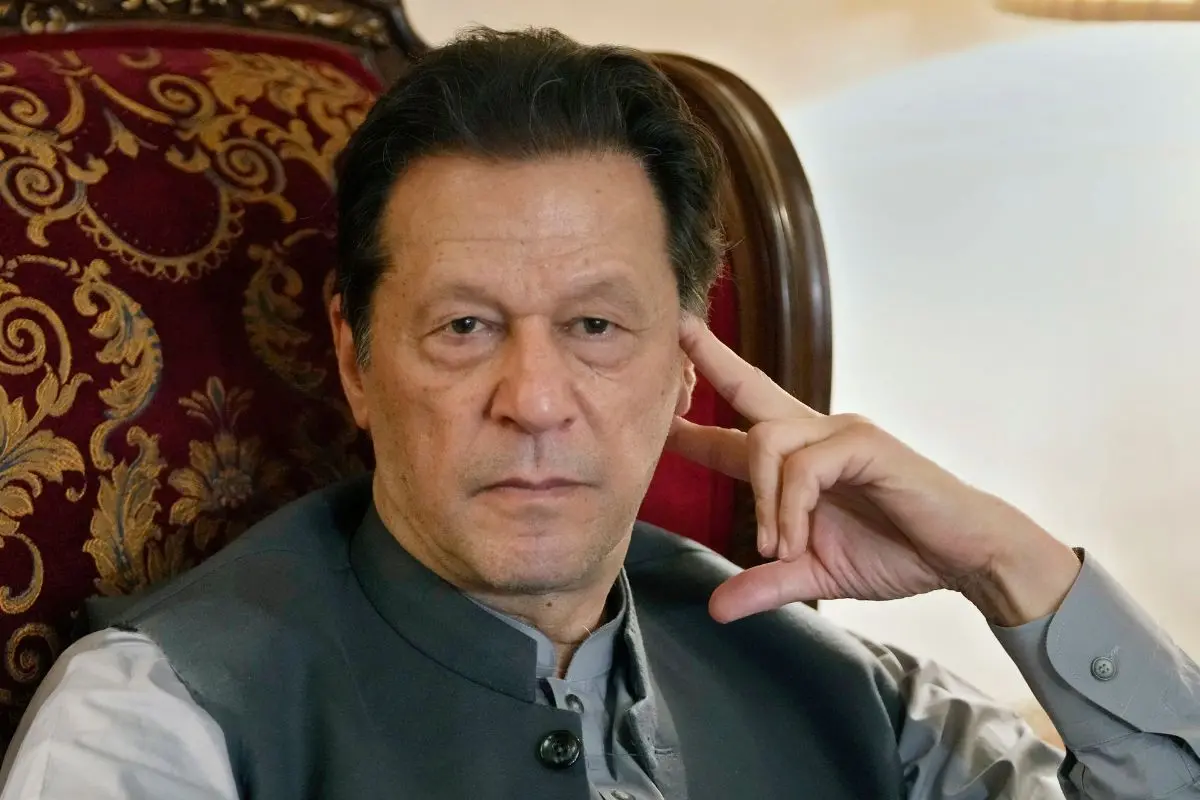
The Supreme Court-mandated medical evaluation of jailed former Prime Minister Imran Khan has begun inside Adiala Jail, Rawalpindi, according to sources, marking a significant development in the high-profile case that has triggered political and legal debate across Pakistan.
Sources said a specialised medical team, equipped with diagnostic tools and medicines, arrived at the prison to conduct a comprehensive examination, with a detailed eye check-up currently underway under the supervision of a court-directed medical board.
The examination is being conducted under strict security arrangements, officials indicated, with the medical team’s report expected to be finalised soon.
The evaluation follows the Supreme Court of Pakistan’s recent directive ordering authorities to constitute a medical board after concerns were raised over Khan’s deteriorating eyesight.
The judicial intervention came after submissions before the court alleged that the former premier had suffered severe, and possibly irreversible, vision loss in his right eye.
According to a seven-page medical report submitted to the apex court, Khan’s condition may be the result of what the document described as “institutionalised medical neglect.” The report claimed that Khan had maintained perfect 6/6 vision in both eyes until October 2025.
Shortly thereafter, he reportedly began experiencing “persistent blurred and hazy vision,” complaints that were allegedly conveyed to the then Jail Superintendent but, the report argued, did not result in timely specialist intervention.
The medical findings presented to the court suggested that delays in diagnostic testing and treatment may have contributed to a drastic decline in vision in Khan’s right eye.
The report alleged that despite repeated complaints, Khan was treated conservatively for months, primarily with eye drops, without consistent blood work or advanced imaging.
Prison authorities have not publicly commented in detail on the allegations but have maintained that medical care was provided in accordance with prison regulations.
Government representatives earlier told the court that healthcare for inmates remains a constitutional obligation and assured compliance with the Supreme Court’s orders.
Sources familiar with the latest examination said the visiting doctors carried a range of ophthalmic instruments, indicating that both diagnostic and immediate treatment measures were being considered.
“All arrangements for the former Prime Minister’s full medical check-up are complete,” a source stated, emphasising that the evaluation covers broader health parameters beyond ophthalmology.
The Supreme Court’s involvement has added fresh legal weight to the controversy, with analysts noting that the case touches not only on Khan’s personal health but also on wider questions of prisoner rights, custodial care, and institutional accountability.
The court’s directive signalled that even high-security inmates are entitled to timely and adequate medical treatment.
Khan, who led Pakistan from 2018 until his ouster in 2022, remains one of the country’s most polarising political figures.
His imprisonment following a series of convictions has sparked sustained protests by supporters of his Pakistan Tehreek-e-Insaf (PTI) party, who have repeatedly voiced concerns over his safety and wellbeing in custody.
With the medical board’s findings now awaited, attention is focused on whether the examination will confirm the extent of the reported vision damage and what medical or legal steps may follow.
The upcoming report is expected to play a crucial role in shaping both the legal proceedings and the political narrative surrounding the former prime minister.