With trucks stranded for weeks, Pakistani traders press government to reopen Afghanistan border
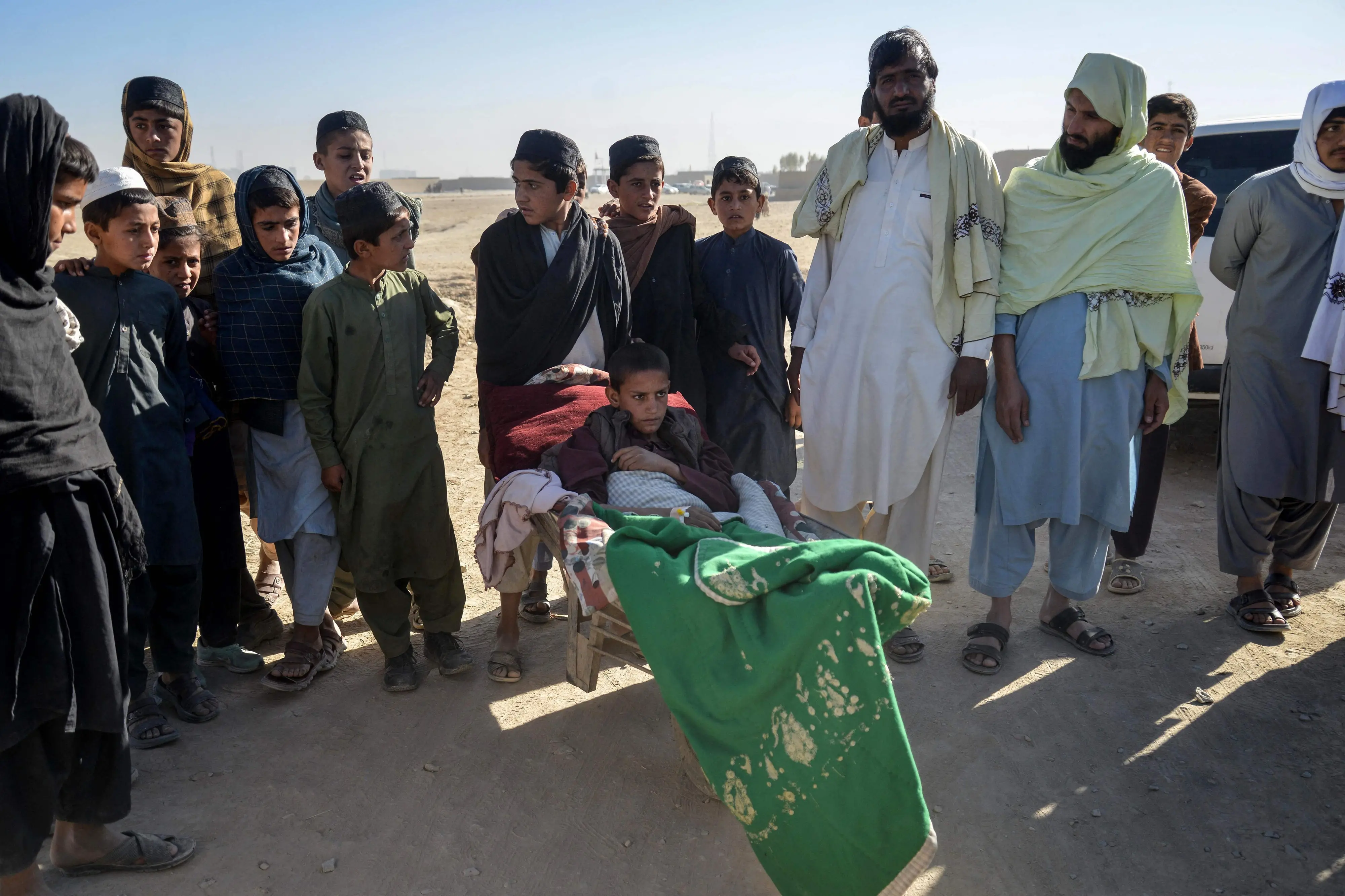
Peshawar: Two major trade organisations in Pakistan have called on the government to urgently intervene and reopen the Pak-Afghan border, which has remained closed since clashes erupted between the two countries on October 11. The conflict, which led to casualties on both sides, resulted in a complete halt to cross-border trade at key routes in Khyber Pakhtunkhwa.
Despite a ceasefire being agreed on October 15 and extended several times since, the third round of bilateral talks ended on Saturday without resolution. The continued closure has stranded hundreds of commercial cargo trucks, many carrying perishable goods such as fruits, vegetables, and medicines, leading to fears of massive financial losses for traders.
Haji Qadeerullah Wazir, President of the Waziristan Chamber of Commerce and Industry and a senior member of the Pakistan Borders Trade Council, said in a statement that the crisis goes beyond business concerns. “This situation is not only a traders’ issue but also a matter of livelihood for thousands of workers, truck drivers, clearing agents and labourers who depend on cross-border trade,” he said.
He warned that repeated border shutdowns have created uncertainty and mistrust among the business community, damaging both the regional economy and Pakistan-Afghanistan trade relations. “The government must take immediate steps to allow the clearance of all stranded cargo on humanitarian and economic grounds,” Wazir urged.
Officials said Pakistan exports cement, steel, flour, textiles, fruits, vegetables, and medicines to Afghanistan, while importing coal, soapstone, dry fruits, and fresh produce in return. With over four weeks of disruption, businesses on both sides now face mounting losses and deteriorating confidence in trade stability.
The current standoff began on October 11 when armed clashes broke out between Pakistani and Afghan border forces, leading to the deaths and injuries of several personnel. While both countries agreed to a ceasefire on October 15, the crossing points, particularly in Khyber Pakhtunkhwa’s Waziristan region, have remained sealed since.
According to the Waziristan Chamber of Commerce, the closure has affected thousands of families reliant on daily cross-border trade. Truck drivers stranded at the border have been forced to live in temporary camps, struggling with limited access to food and water. The chamber estimates total trader losses could exceed several hundred million rupees if the blockade continues.
Local traders have repeatedly warned that prolonged disruption could lead to long-term instability in regional markets, affecting essential supplies and further straining Pakistan-Afghanistan diplomatic ties.
Talks between Islamabad and Kabul are ongoing, but officials have yet to announce a timeline for the reopening of the border. Meanwhile, pressure continues to mount from the business community, which says the government must act swiftly to prevent irreversible damage to livelihoods and trade relations.
(With PTI inputs)