Tight NZ election leaves Luxon eyeing slim majority amid coalitions and kingmakers
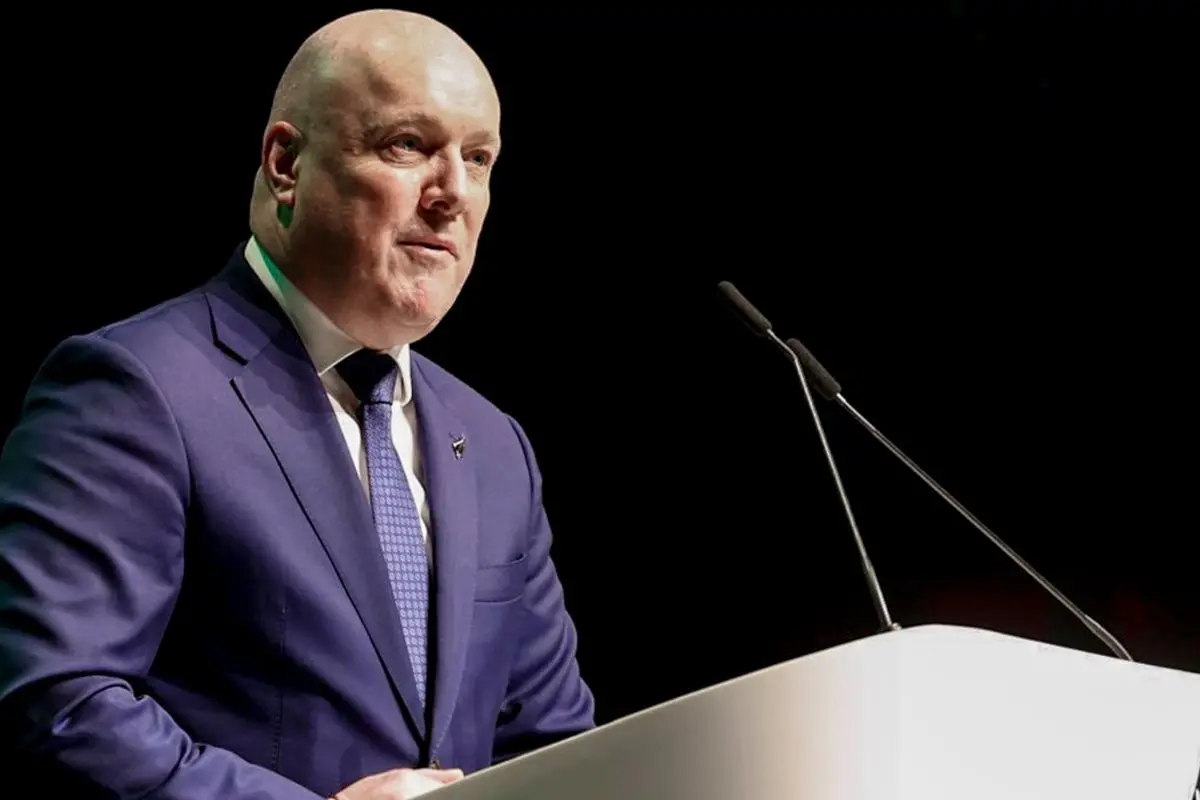
Wellington: New Zealand Prime Minister Christopher Luxon stated on Sunday that his right-wing coalition retains a viable pathway back to office, while conceding the election remains "too close to call" following a hard-fought campaign centered on cost-of-living struggles.
Neither Luxon’s National Party nor the centre-left Labour Party secured an absolute majority in parliament. With both major parties running neck and neck at 29 percent of the vote—separated by only a few thousand votes—neither can form a government without the support of minor parties.
Preliminary results show National leading in seat allocation, which would yield a slim majority if joined by its existing coalition partners, the populist NZ First and the libertarian ACT. Addressing supporters in Auckland, Luxon confirmed he will head a caretaker administration while awaiting the final tally.
"National is once again the largest party in parliament, and we have a pathway to forming the next government. But right now it is too close to call," Luxon said.
"With those final results there can then be meaningful negotiations," he added, pointing to the official declaration set for November 27, which will incorporate tens of thousands of overseas votes.
At an event in Upper Hutt near Wellington, Labour leader Chris Hipkins was greeted warmly by supporters, even as he acknowledged the possibility of his party missing out on the next administration.
"New Zealand has spoken. It may take us a little bit longer to figure out exactly what it is that you've said," Hipkins told the crowd. "Our next parliament is going to require all of us to compromise, to work together, and to find common ground."
Rise of the Centrist Upstart
Under New Zealand’s mixed-member proportional representation (MMP) system—where voters cast separate ballots for a party list and an electorate candidate—the knife-edge result has thrust minor parties into the spotlight.
The centrist Opportunity Party emerged as a potential kingmaker after clearing the 5 percent threshold needed to enter parliament without winning an individual electorate seat. Party leader Qiulae Wong expressed a willingness to partner with whichever major party finishes with the most seats.
"You guys have voted for unity over division," Wong told supporters as results came in. "You have voted to change New Zealand politics for good."
Economic Pressure and Senior Casualties
The election unfolded against a backdrop of persistent economic strain, with elevated living costs, a global fuel shock driven by Middle Eastern conflict, and unemployment climbing to a ten-year high.
Luxon campaigned on a pledge of "no new taxes" to keep his coalition in power after three turbulent years marked by leadership challenges and economic stagnation.
Even if National secures a path to govern, the party faces significant internal losses. Deputy Leader and Finance Minister Nicola Willis will not return to parliament owing to low party-vote totals, while Housing, Infrastructure, and Transport Minister Chris Bishop appears set to lose his Hutt South seat.