Norway is activating a graveyard for Carbon emissions beneath North Sea
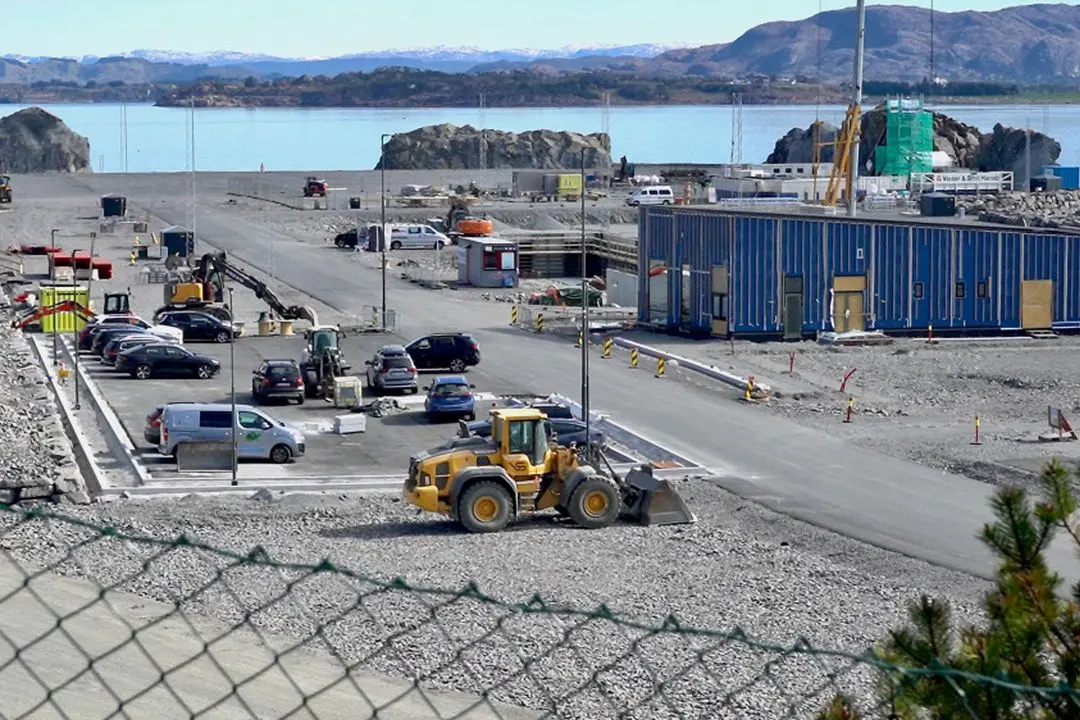
Norway is set to inaugurate a major undersea carbon storage facility on Thursday, marking a crucial step towards launching the first commercial service for CO2 transport and storage.
The Northern Lights project aims to capture carbon emissions from industrial sites in Europe and store them deep beneath the seabed to prevent their release into the atmosphere, contributing to the fight against climate change.
CO2 Transport and Storage System
Located on the island of Oygarden, the newly-built terminal will serve as the gateway to the North Sea storage site.
Liquified CO2 will be transported by ships and injected into geological reservoirs 2.6 kilometers (1.6 miles) below the seabed via a pipeline.
The joint venture, which includes Norway's Equinor, Shell, and TotalEnergies, expects to begin CO2 storage in 2025, with an initial capacity of 1.5 million tonnes per year, potentially increasing to five million tonnes if demand grows.
Tim Heijn, managing director of Northern Lights, stated the project's goal is to demonstrate the feasibility of the carbon capture and storage (CCS) process and its potential to significantly reduce emissions from hard-to-decarbonize industries like cement and steel.
Although CCS is complex and costly, it is endorsed by the UN's Intergovernmental Panel on Climate Change (IPCC) and the International Energy Agency (IEA) as crucial for meeting climate targets.
Challenges and Controversies
The current global CCS capacity is just 50.5 million tonnes, a mere fraction of the world's annual emissions. The IEA estimates that CCS will need to prevent at least one billion tonnes of CO2 emissions annually by 2030 to help limit global warming.
Despite the potential, high costs have slowed the development of CCS, which remains heavily reliant on government subsidies.
Norway's government has covered 80 percent of the cost for the Northern Lights project, part of the larger "Longship" initiative, a $2.9 billion scheme aimed at reducing the country's carbon footprint.
Despite this, environmental groups like Greenpeace have criticized CCS, calling it a "greenwashing" tactic by the oil industry to extend fossil fuel extraction rather than truly addressing emissions. They also express concerns about potential CO2 leaks and the diversion of funds away from renewable energy investments.
Northern Lights has already secured agreements with companies such as Norwegian fertilizer manufacturer Yara and Denmark's Orsted to store CO2 from industrial sites in the Netherlands and Denmark. However, some remain skeptical about the long-term impact of CCS technology.
AFP